The first natural world heritage site in Japan
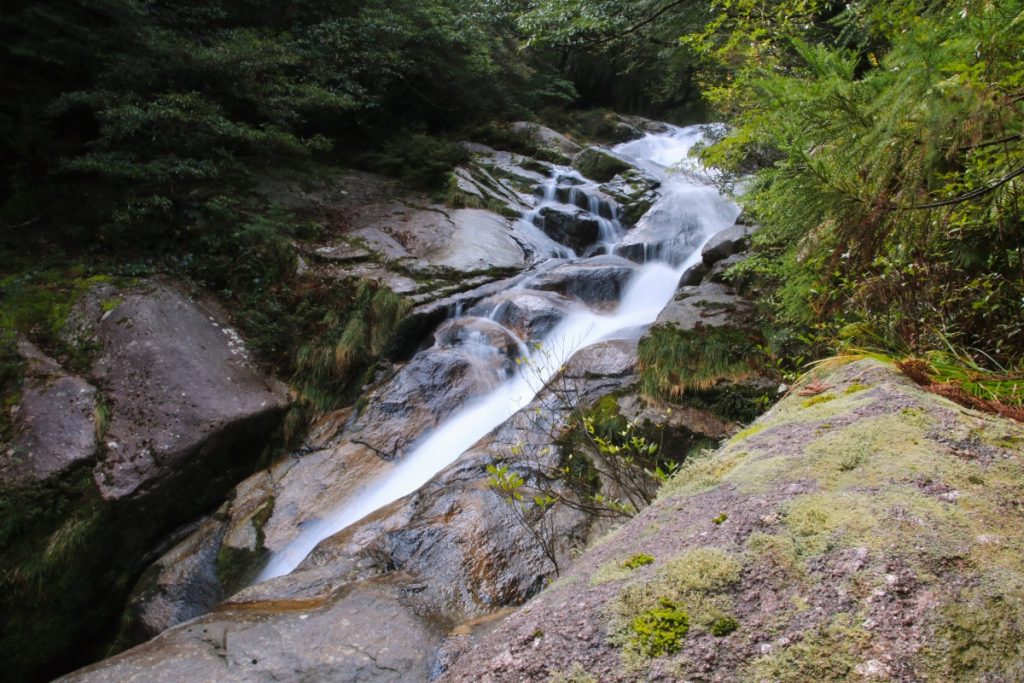
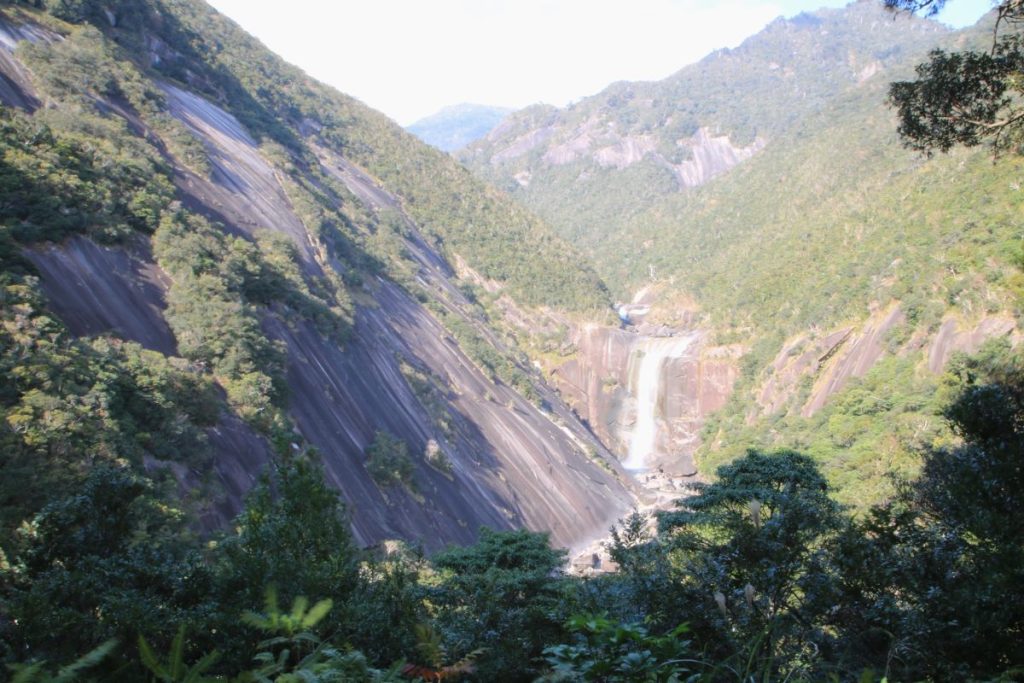
Yakushima is a round island located about 60 kilometers south-southwest of the Osumi Peninsula in Kyushu. It covers an area of about 504 square kilometers. There are many mountains on Yakushima, and Mt. Miyanoura-dake, at 1,936 meters, is the highest mountain in Kyushu. Moist air from the sea hits Yakushima’s high mountains and releases a lot of water. The annual rainfall in the mountainous regions ranges from 8,000 to 12,000 millimeters. Heavy rain has created dense and unique forests. Some say it rains 35 days a month in Yakushima; it rained every day that I was there.
The island is covered in natural temperate rainforests. Some cedar trees in the mountain area can live more than 1,000 years. These trees are called Yakusugi and have a high concentration of resin and narrow annual rings. The Jomon cedar is believed to be the largest cedar tree, estimated to be between 2,000 and 7,000 years old.
Trekking
Shiratani Unsuikyo Gorge
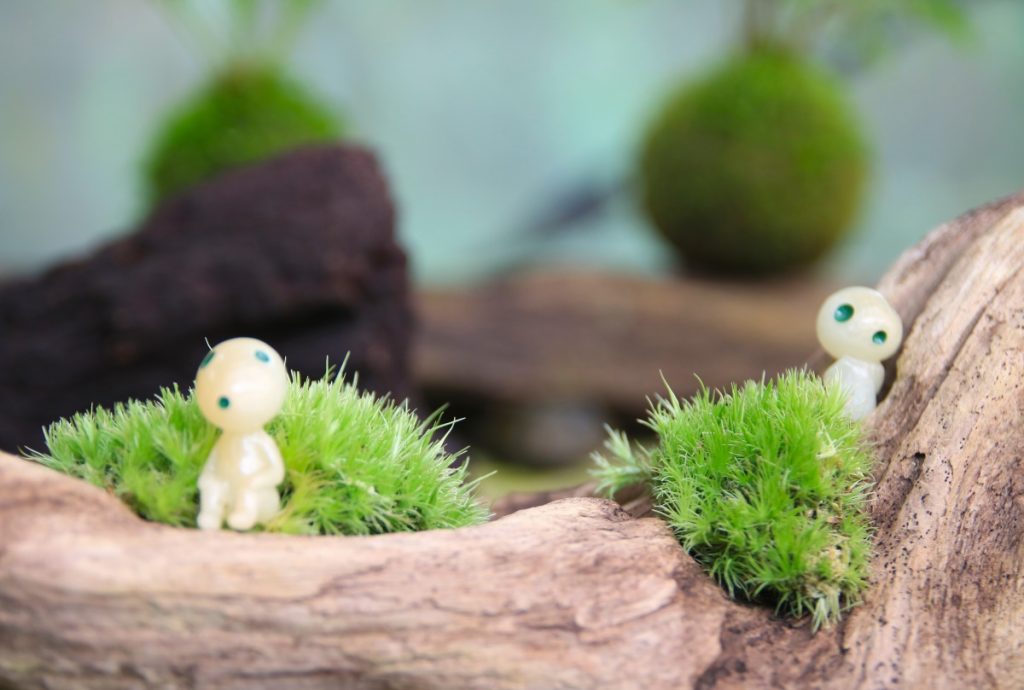
The Shiratani Unsuikyo Forest is believed to have inspired Hayao Miyazaki’s anime film Princess Mononoke. As soon as I stepped into the forest, I felt as if I were in the film. The rocks are covered with moss, and the air is pure and humid. There are three hiking trails in Shiratani Unsuikyo: The shortest is the Yayoi Cedar course, which takes about an hour to walk (2 km). The Bugyo Cedar course takes about two hours to walk (4 km), and the longest is the Taikoiwa Round Trip course, which takes about four hours to walk (5.6 km). These courses are not technically difficult.
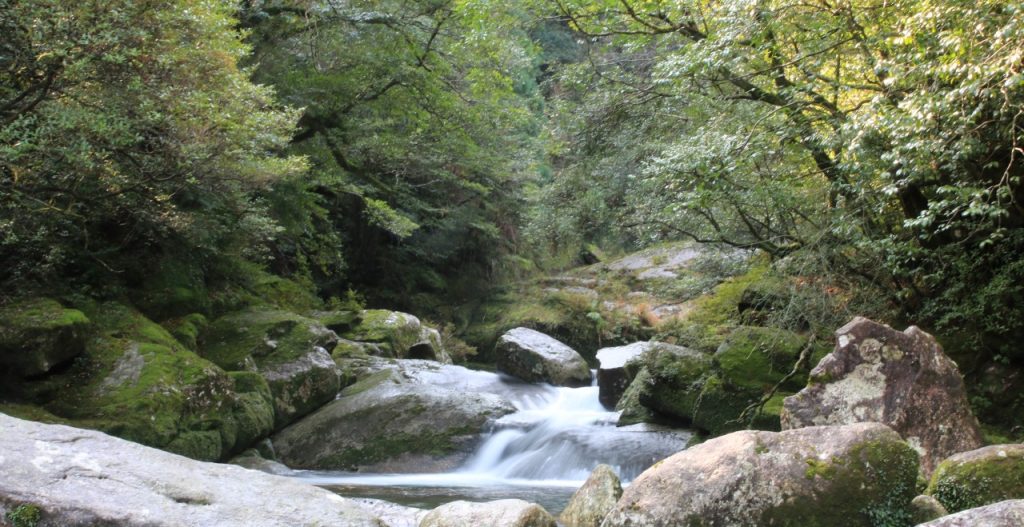
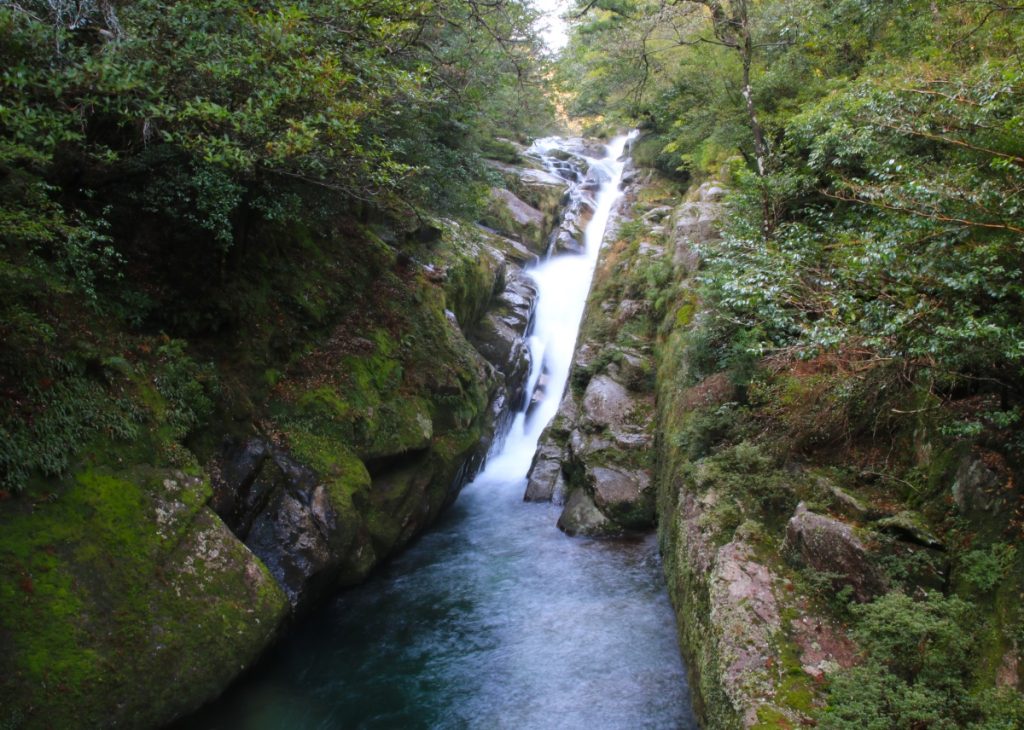
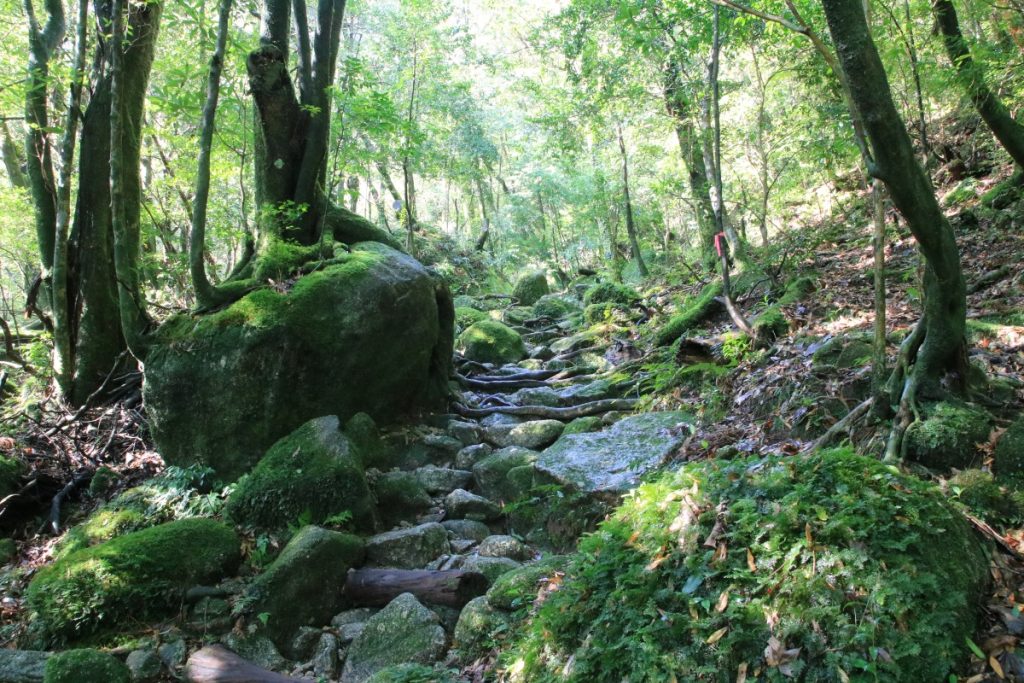
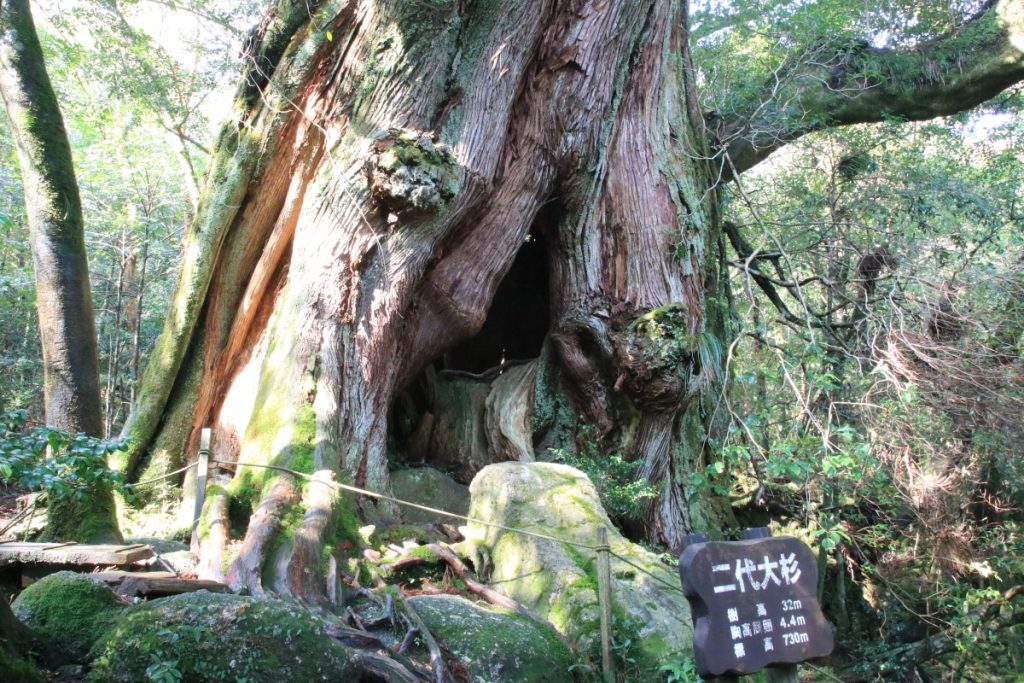
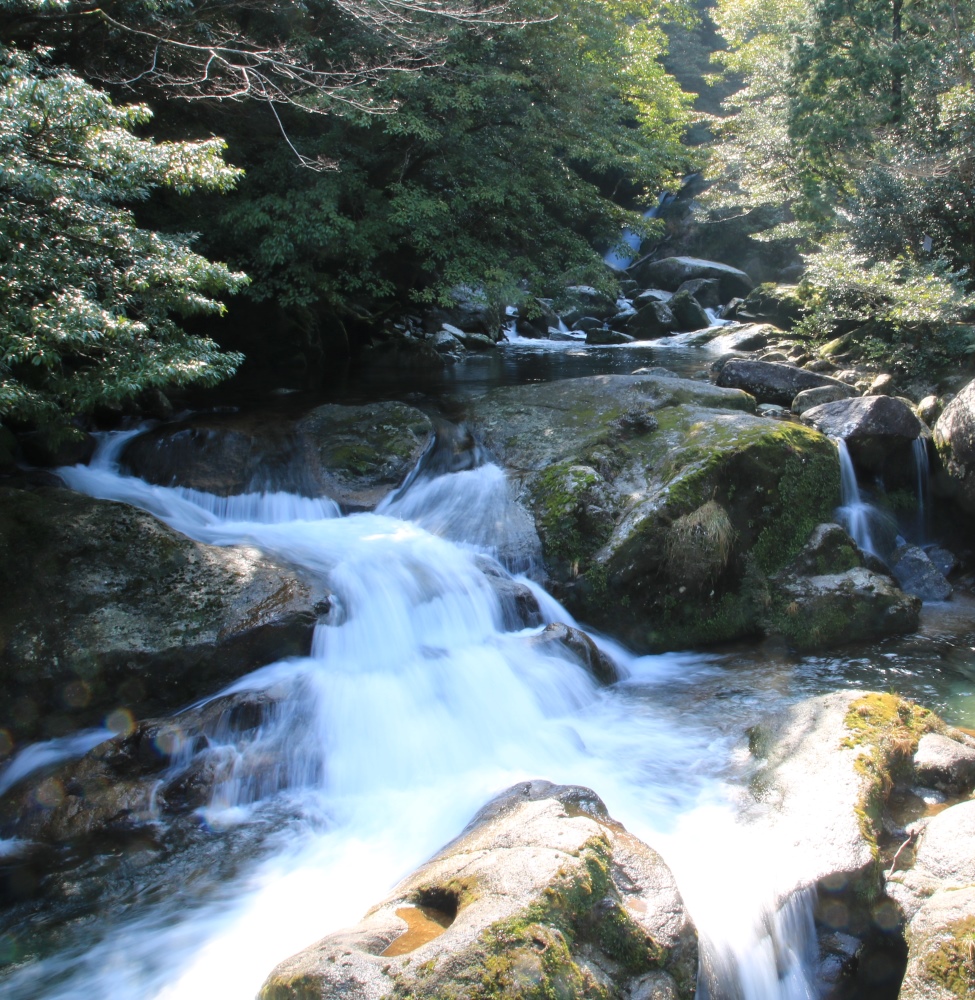
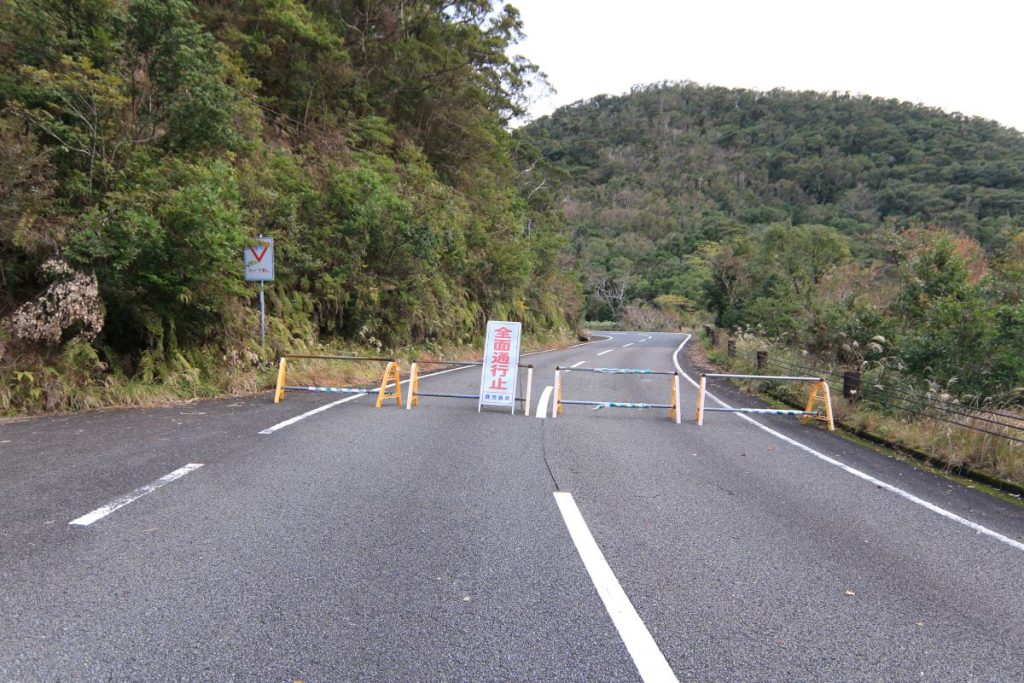
There are many trekking courses in Yakushima. Unfortunately, Shiratani Unsuikyo Gorge was the only one open during my winter 2023 stay. Heavy storms lasted several days, closing all mountain trekking courses, even when the weather was fine. I really wanted to visit Yakushima again to experience the various activities the island offers, so I came back in the winter of 2025 to visit other areas. Unfortunately, many of the trails were closed due to heavy snowfall in the mountains and damage caused by a hurricane in 2024. Yakusugi Land was one of the few mountain trekking areas that was open.
Yakusugi Land
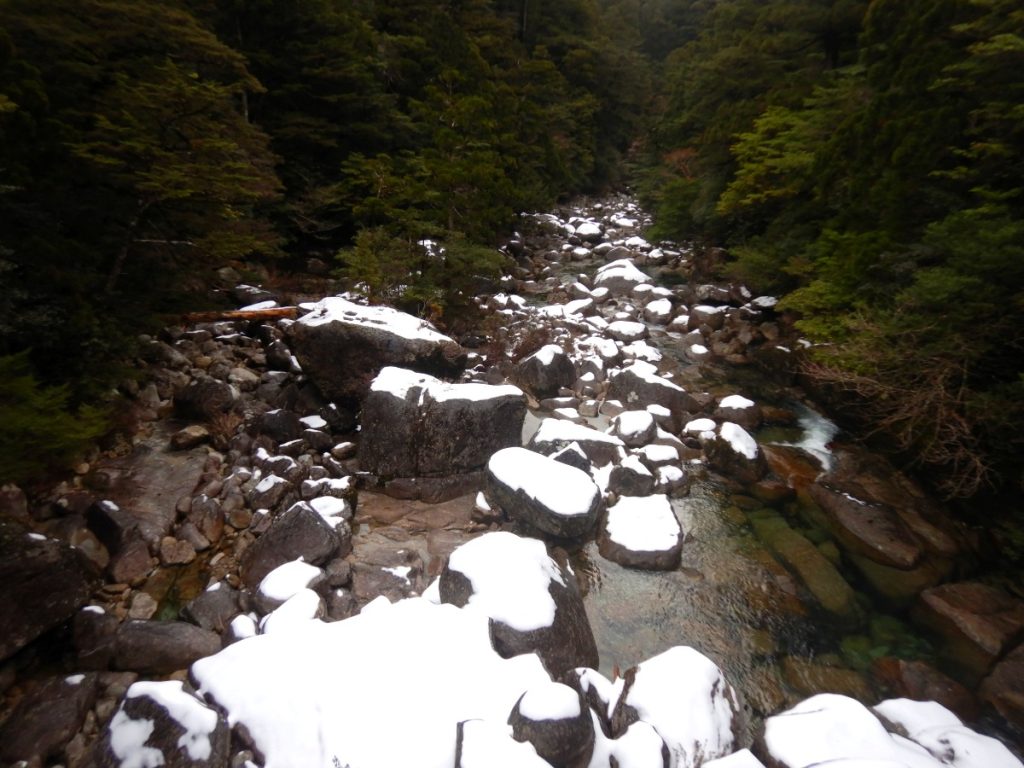
Yakusugi Land is a natural rainforest park located at an elevation of about 1,000 meters (3,300 feet). It has five well-maintained walking trails. Visitors can observe Yakusugi cedars, such as the Sennen Sugi, Kuguri Sugi, and Buddha Sugi, up close. When I visited, there was snow on the trekking courses, and it was quiet and beautiful.
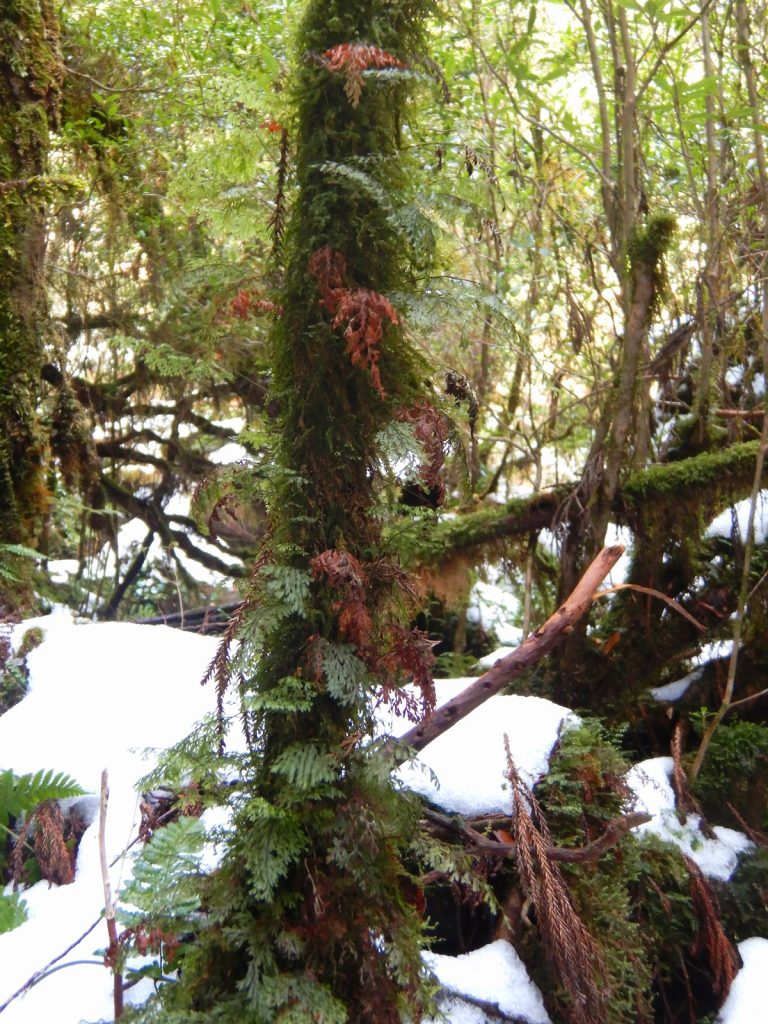
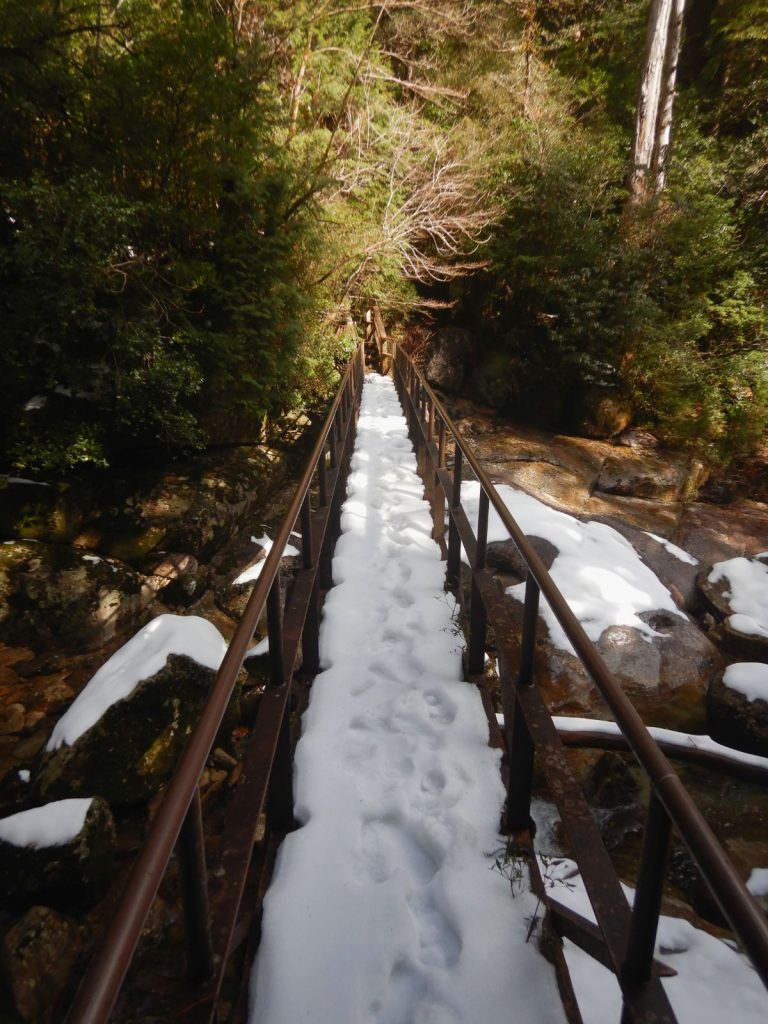
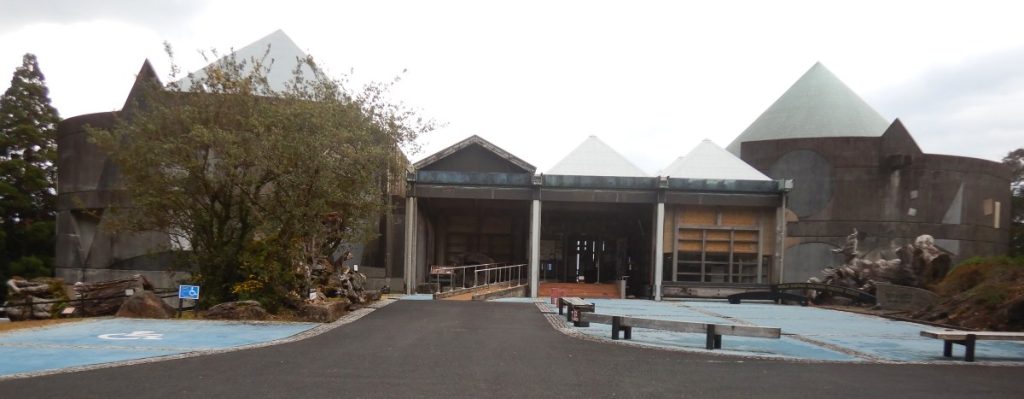
If you are going to Yakusugi Land, I recommend visiting Yakusugi Museum along the way to learn about Yakusugi and Yakushima Island.
Other Places of Interest
Yakushima General Nature Park
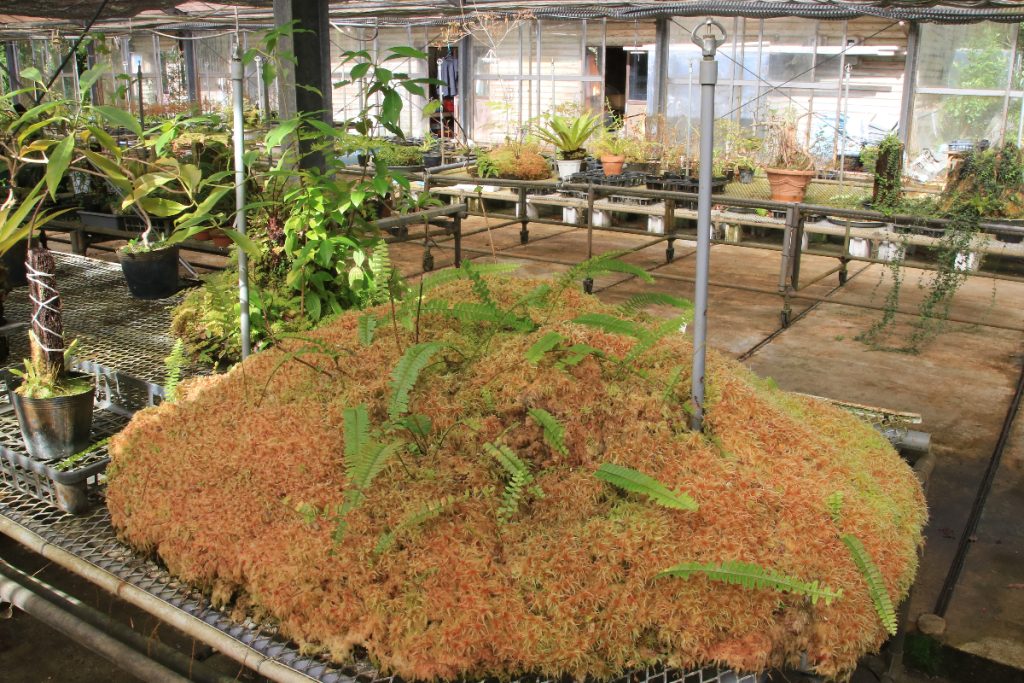
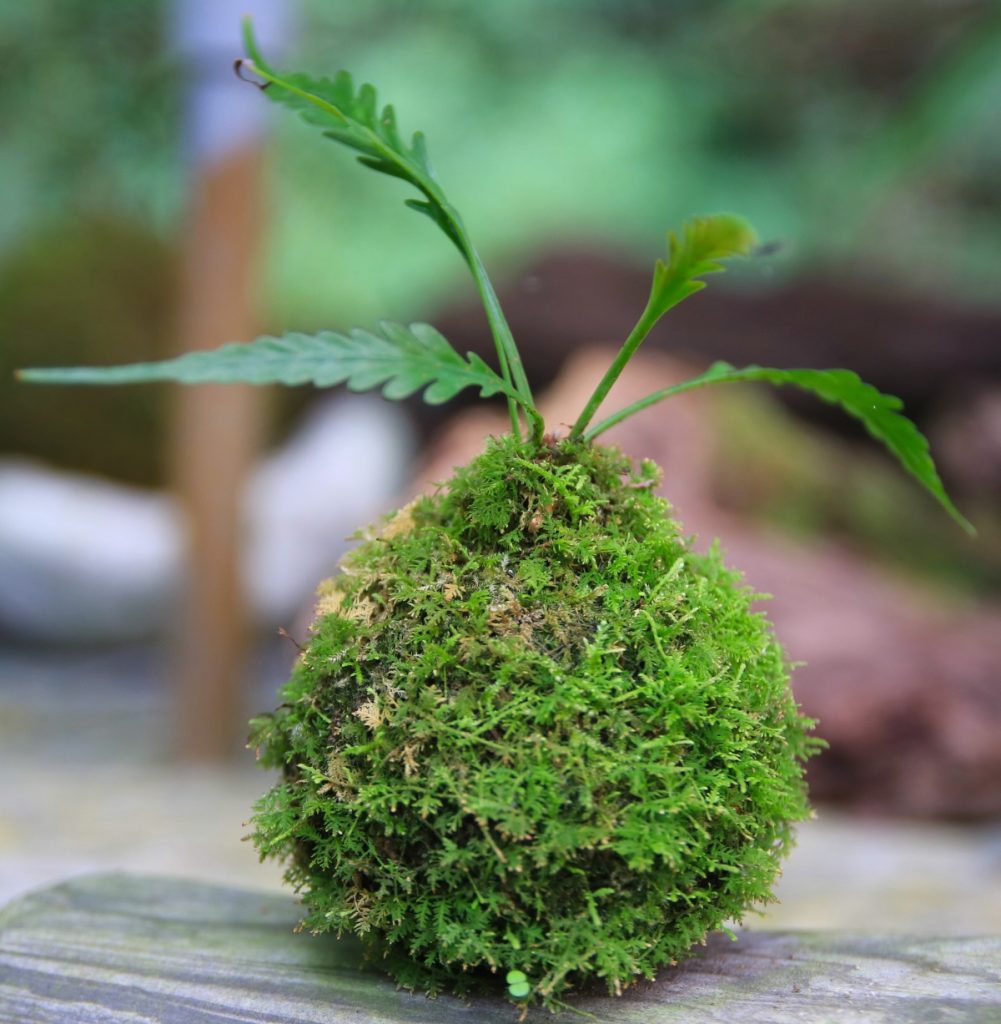
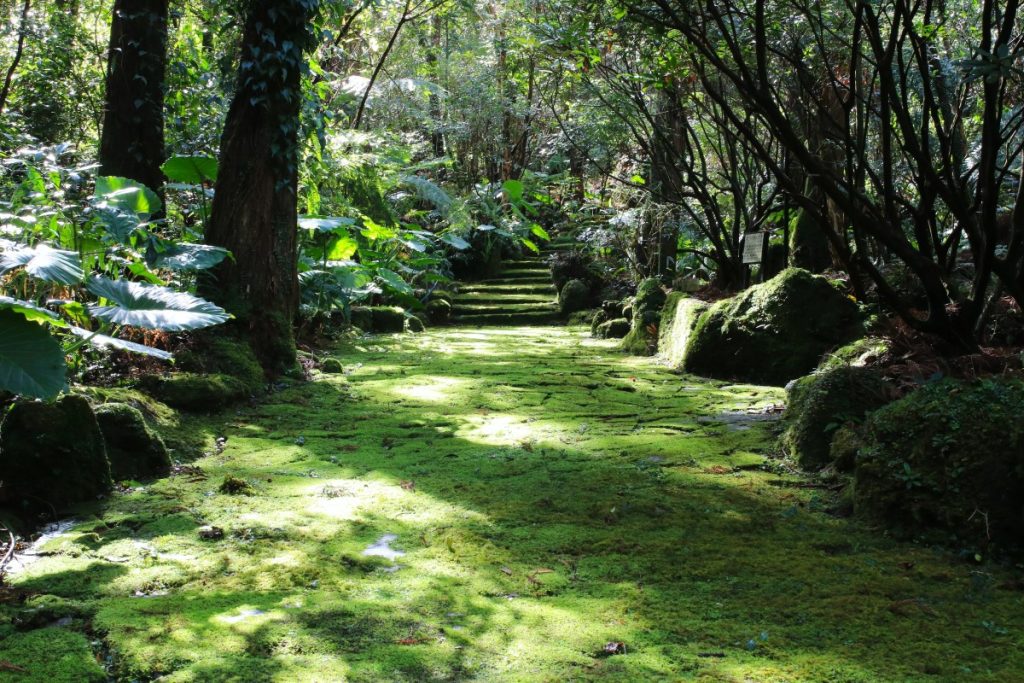
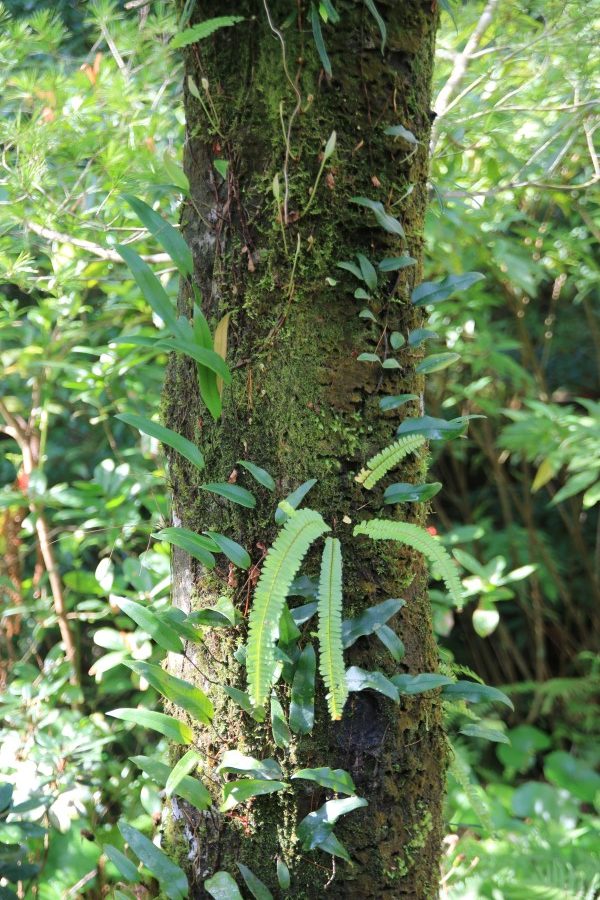
The Yakushima General Nature Park consists of a park, a botanical garden, and an onsen (hot spring bath) facility. The botanical garden grows many endemic plant species. There are also some cute-looking moss plants on display. You can purchase some of these plants here. Unfortunately, the onsen was closed when I was there. I didn’t want to walk on the beautiful, moss-covered cobblestones. It was also very slippery when wet.
Shitogo Gajumaru Park
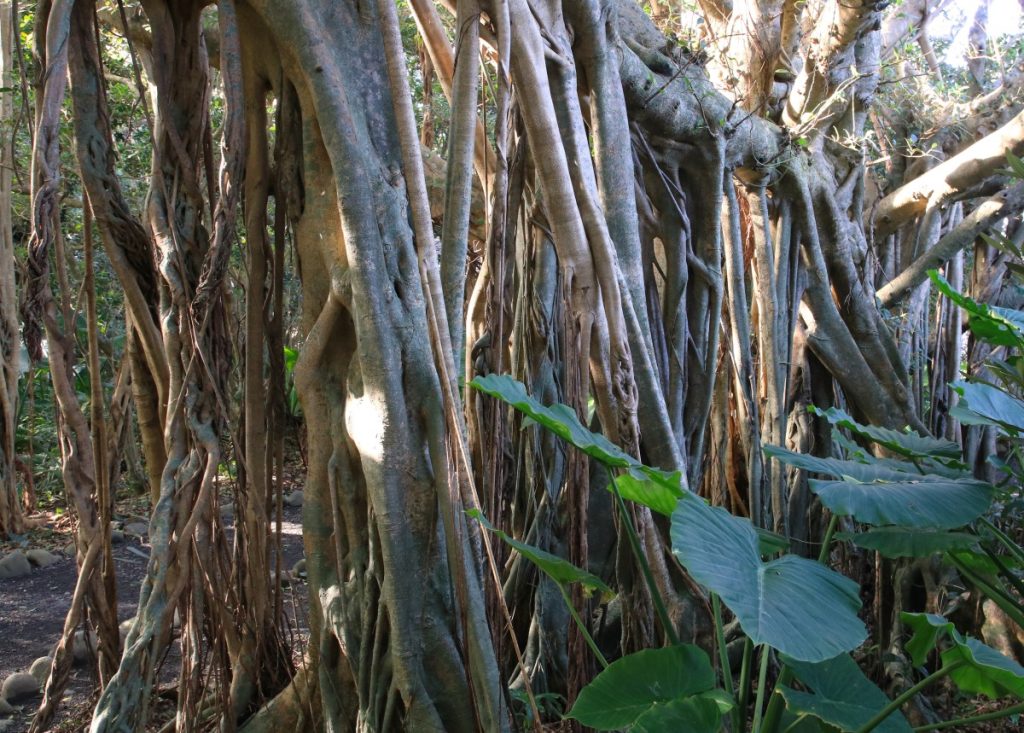
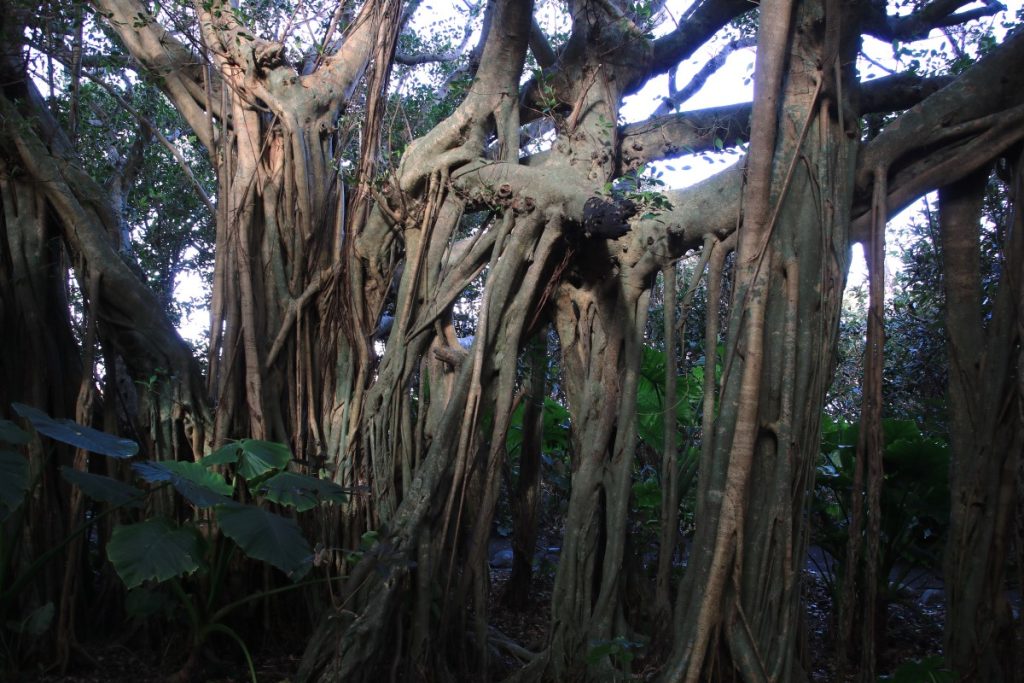
Gajyumaru means banyan in Japanese. Shitogo Gajumaru Park is the largest banyan garden in Yakushima. Many strange shaped banyans are growing here.
Onsen (Hot Spring Bath)
Yakushima has many hot springs. I liked Yudomari Onsen, which is located by the sea. When I went, no one was using the bath. Admission is 300 yen. The onsen is open 24 hours a day, and there is a coin box at the entrance where you can put the money.
Yakushima Fruit Garden
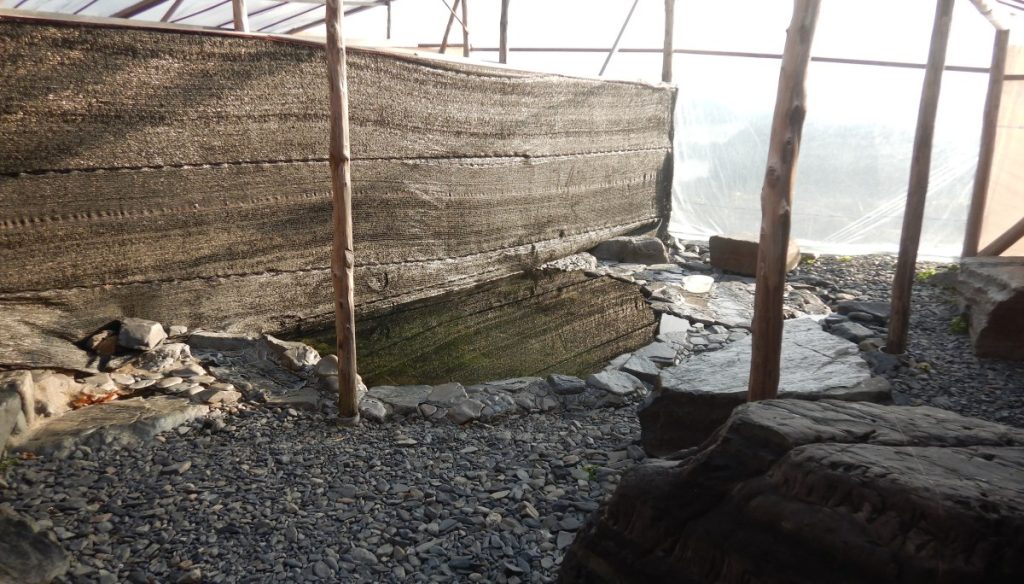
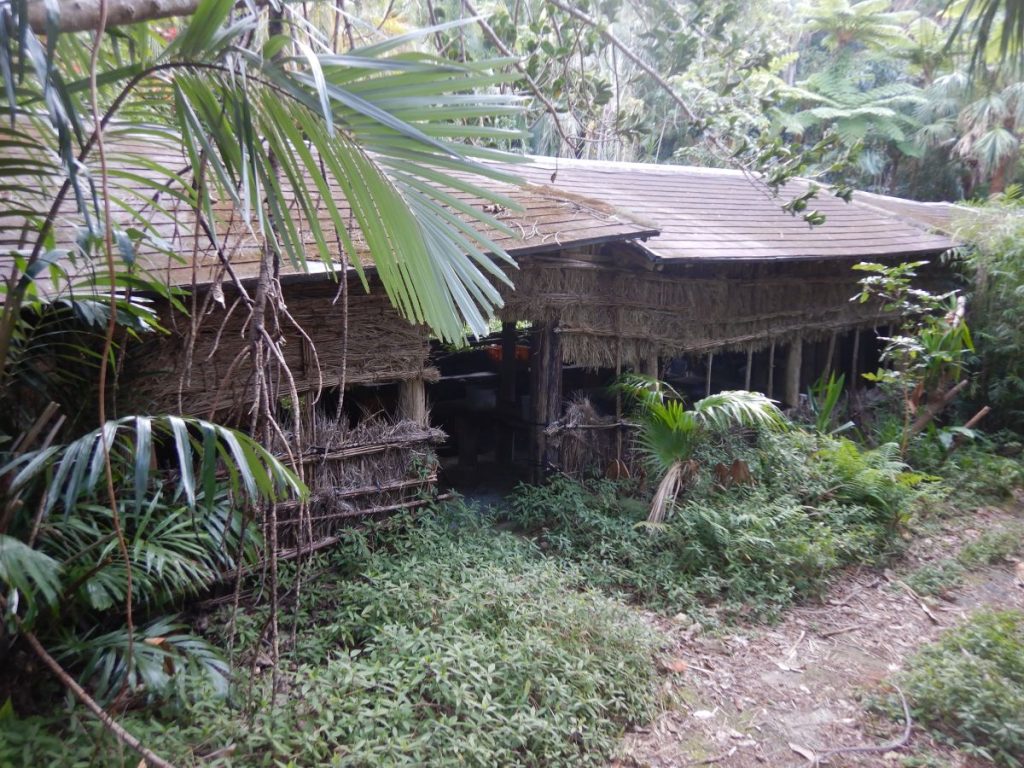
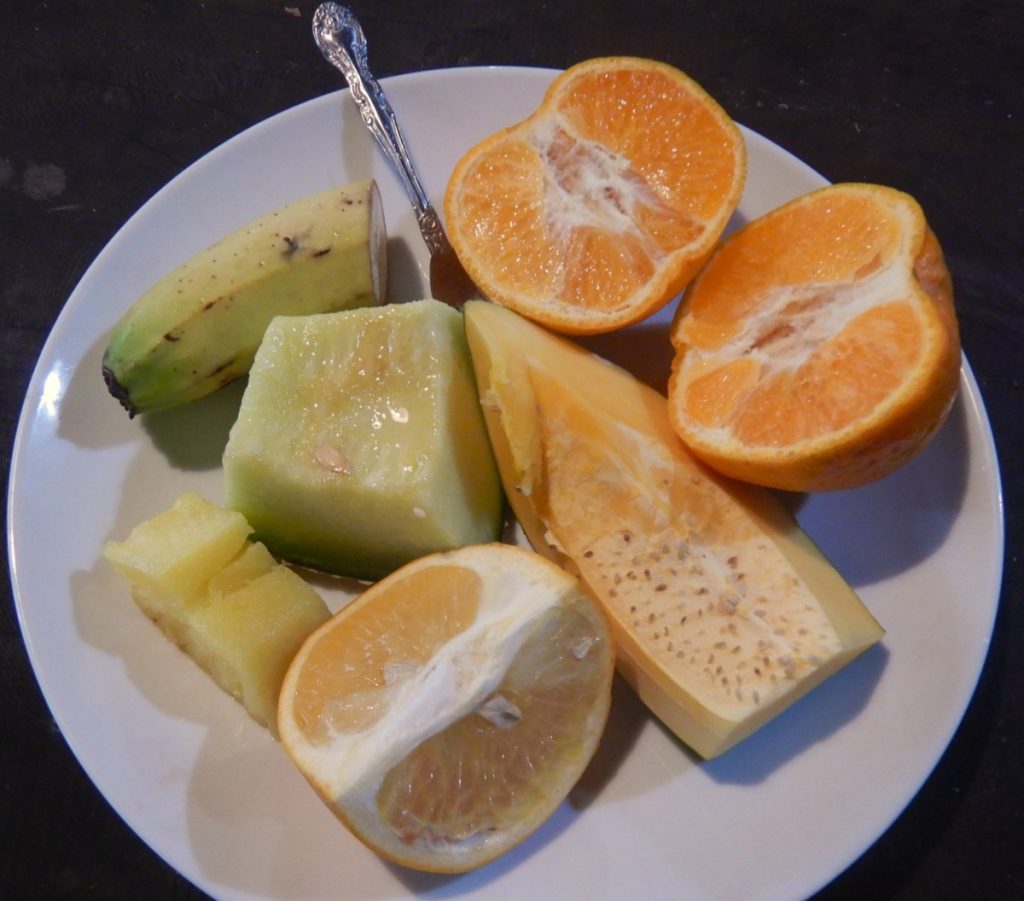
The Yakushima Fruit Garden looks more like a jungle than a garden. An old man runs the facility. He is an interesting person who knows a lot about fruit. If you pay the entrance fee, you will be served a fruit plate. It only costs 700 yen. Winter is not the best time to visit because tropical fruits are out of season.
Western Part of Yakushima
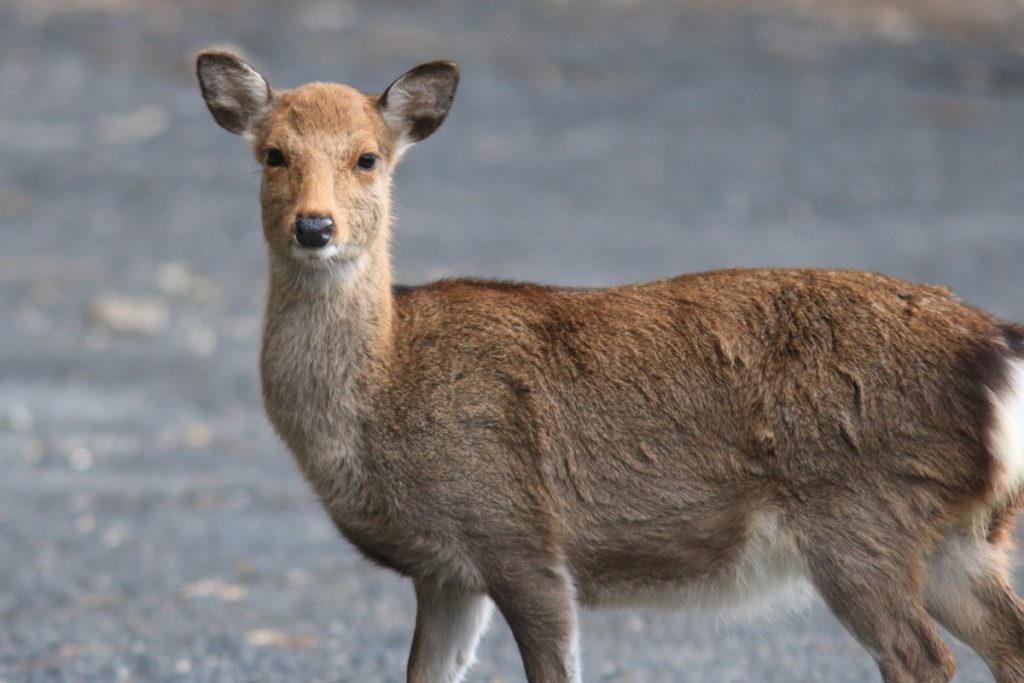
There are not many sightseeing spots in the western part of Yakushima, and not many people are living there. When I drove through this area, I saw many monkeys and deer. I enjoyed watching many wild animals.
Access
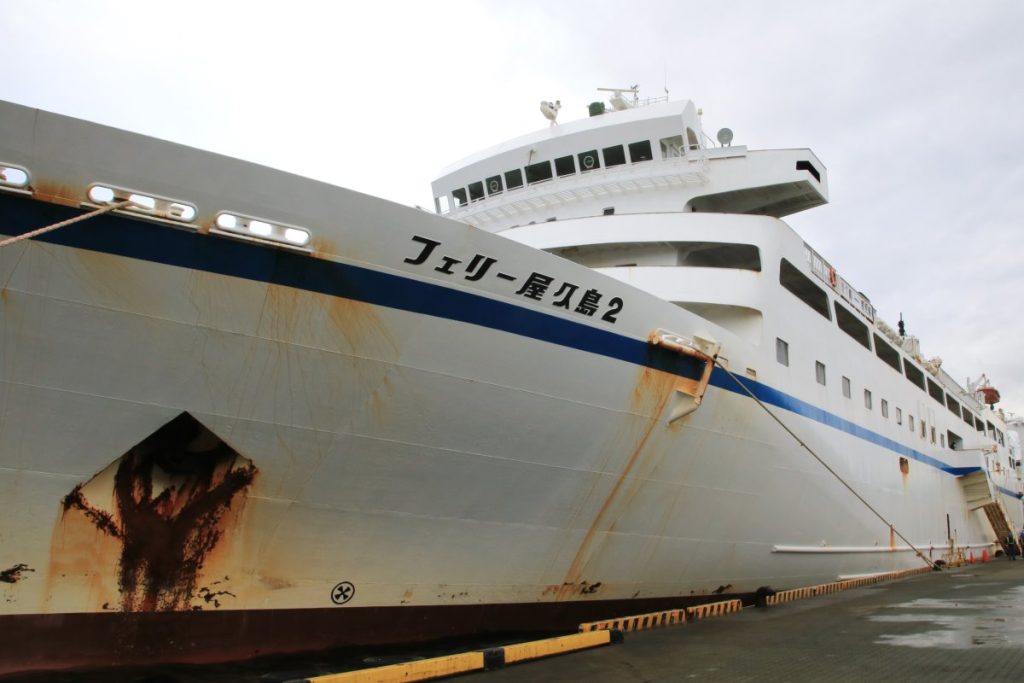
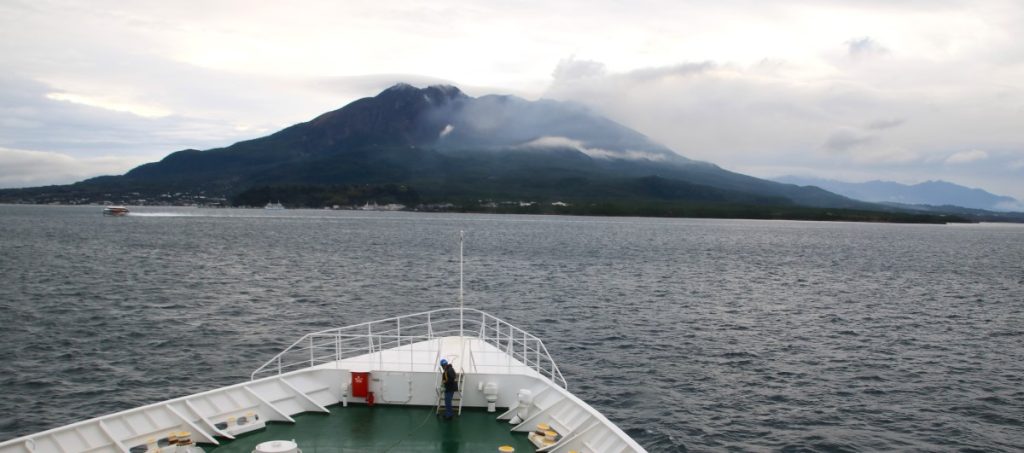
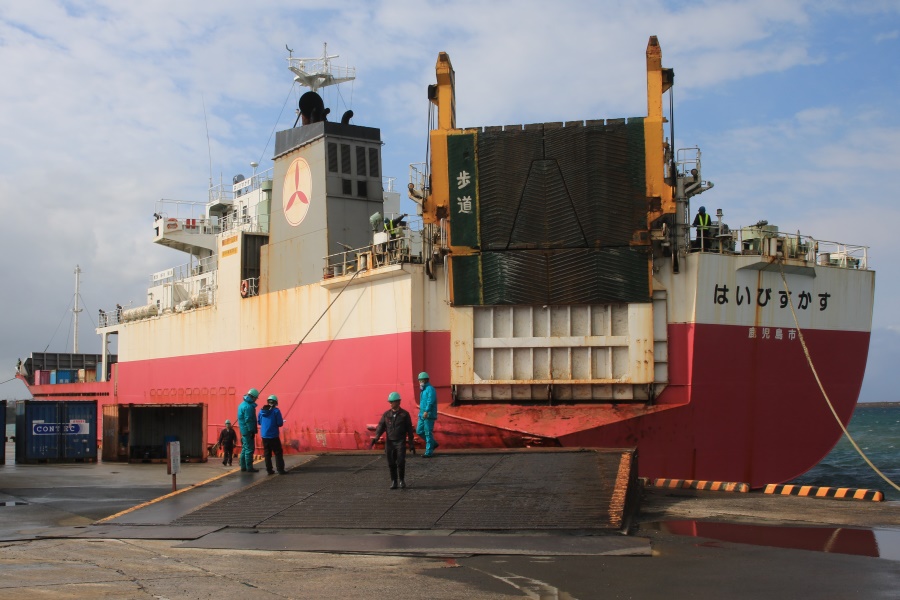
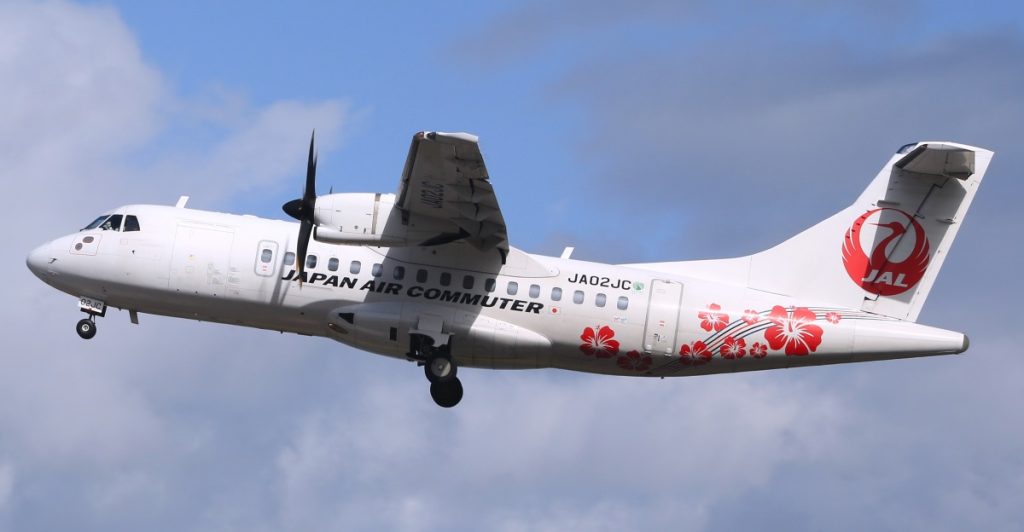
Yakushima Tourism Association has a nice web page showing how to get to Yakushima. Since I had a car, I took a ferry from Kagoshima to Miyanoura, Yakushima. It is only a four-hour trip. The jetfoil takes you to Miyanoura or Anbo in Yakushima from Kagoshima in less than 2 hours if it is a direct route. A cargo ship, Hibiscus, departs from Kagoshima Port at 18:00 and arrives at Nishinoomote Port in Tanegashima at 21:40. It departs from Tanegashima 5:00 in the morning and arrives at Yakushima at 7:00 a.m. This ship is popular among hikers since it arrives Yakushima early in the morning and saves one night of accommodation. The price is attractive too: A one way trip costs only 3900 yen. There are direct flights from Osaka, Fukuoka and Kagoshima. I recommend Ferry Yakushima 2 because it is cheaper than flight and you can enjoy the view from the ship unlike Ferry Hibiscus which departs at night and arrives early in the morning.
Getting around Yakushima
The island is about 130 km in circumference, and it takes about three hours to circle the island by car. There are several options to go around the island. Local buses and tourist buses connect towns and tourist spots. you can rent a car, motorcycle or bicycle. Hire a taxi, or join a sightseeing tour so the tour guide gives you a ride. I recommend joining a tour If you come to Yakushima for the first time.
Accommodation
I used a rent subscription service called ADDress (Japanese website). You need to purchase tickets to stay at any of the more than 250 houses and hotels that have contracts with ADDress. The price starts from 9800 yen for 2 tickets (2 nights) per month and goes up to 99800 yen for 30 tickets per month. I stayed in a house in Issou located in the northern part of the island. The house has three rooms, and I stayed in a private room. I shared the house with two other groups. It was a very nice experience to meet new people who also love traveling.
I also stayed at Yakusugirou Shitifuku inn. The owner was a super nice person, but I am not sure if she speaks English. If you do not have a car, I recommend staying in the town of Miyanoura because this is the most populated and convenient area in Yakushima. Ferry ports and the bus terminal are in Miyanoura. Many hotels, restaurants, souvenir shops and travel agencies are here too. I drove back and forth between Issou and Miyanoura to buy my groceries at a supermarket and eat at a restaurant.
I also camped at Jerry’s Camp Site & Mandala Guest house located in the southern part of the island called Onoma. The campsite was operated by Mr. Rainer from Germany and Ms. Naoko from Japan. They were very friendly and the camp was located in a very beautiful location. Strong winter storms can bring heavy and chilly north-western wind, but the southern part of the island is protected from heavy storms due to high mountains.
Leaving Yakushima
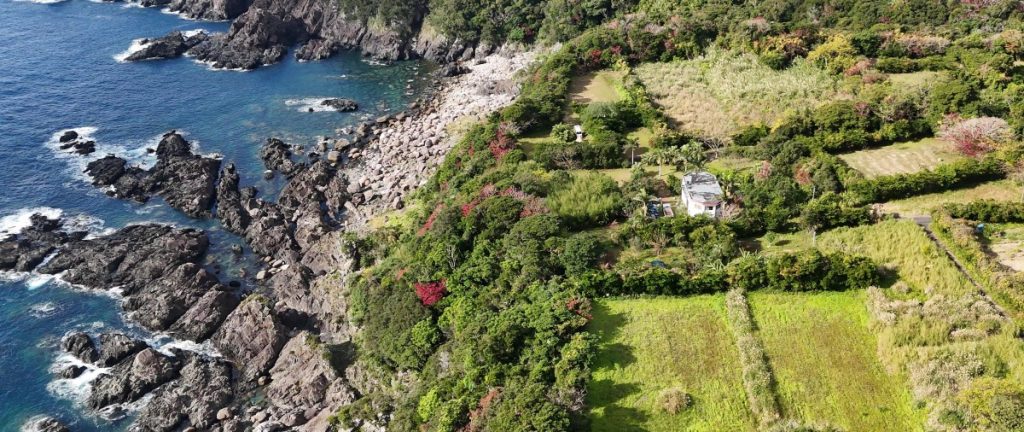
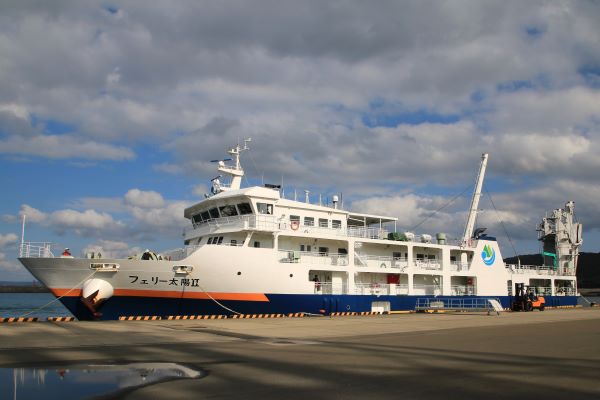
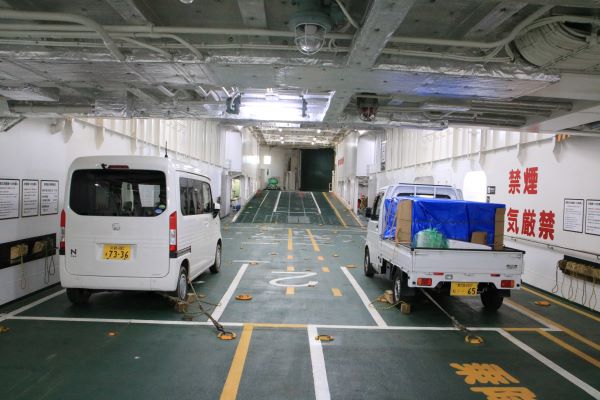
Yakushima Island and Tanegashima Island are about 18 km apart. If you plan to visit Yakushima, you might as well visit Tanegashima, too. These two islands are quite different from each other despite their close proximity. Yakushima was formed by uplift of the sea floor and volcanic activity, and it consists mainly of volcanic granite rocks. In contrast, Tanegashima was also formed by uplift of the sea floor, but there are no high mountains on the island. Instead of dense mountain forests, Tanegashima has beautiful sandy beaches. I took the Taiyou II ferry from Miyanoura in Yakushima to Shimama in Tanegashima. The trip takes about one hour and costs 1,460 yen for one adult passenger. For more information on Tanegashima, please visit my Tanegashima webpage.
Comments
One response to “Yakushima”
[…] at one of ADDress hotels called HOPE inn. ADDress is a rent subscription service, I explained it in Yakushima page. This place is great for digital nomads. The working area is isolated from the hotel and has a […]