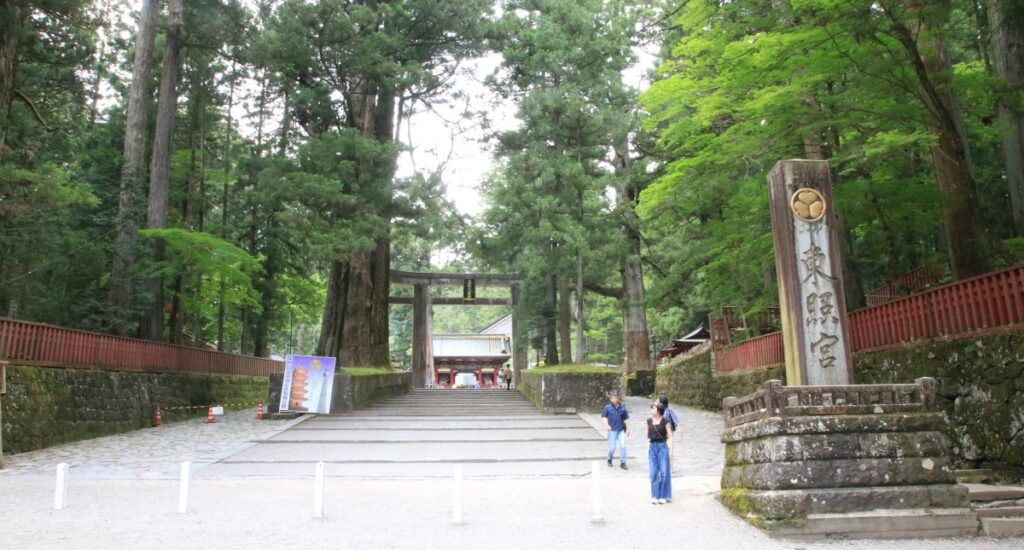
Nikko Tosho-gu Shrine was established in 1617 to enshrine Tokugawa Ieyasu, the first shogun of the Edo period. Ieyasu is one of the most famous samurai in Japanese history because he ended the Warring States period and established the Edo period, one of the most peaceful and long-lasting eras in Japanese history.
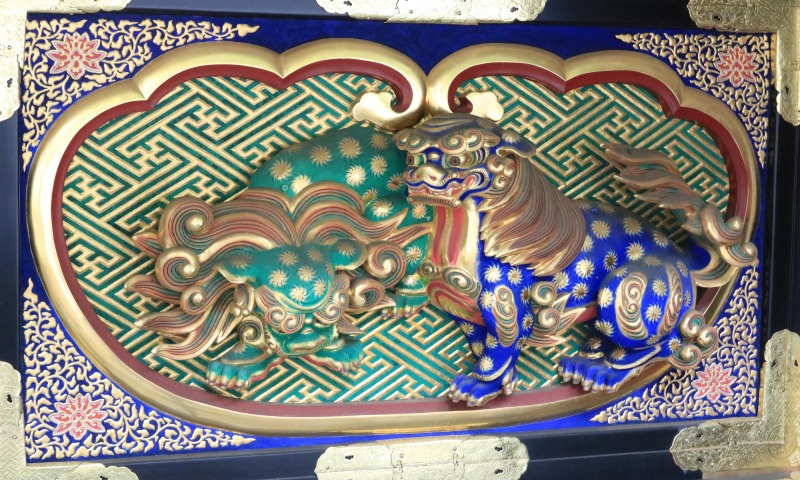
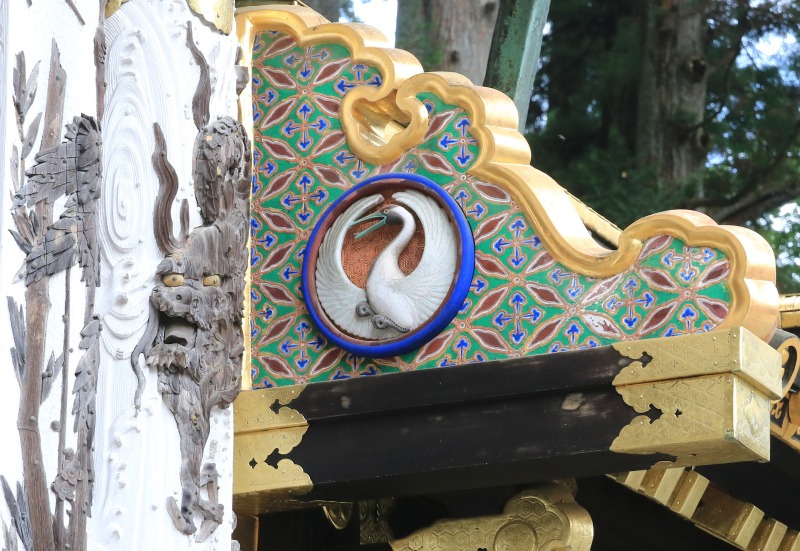
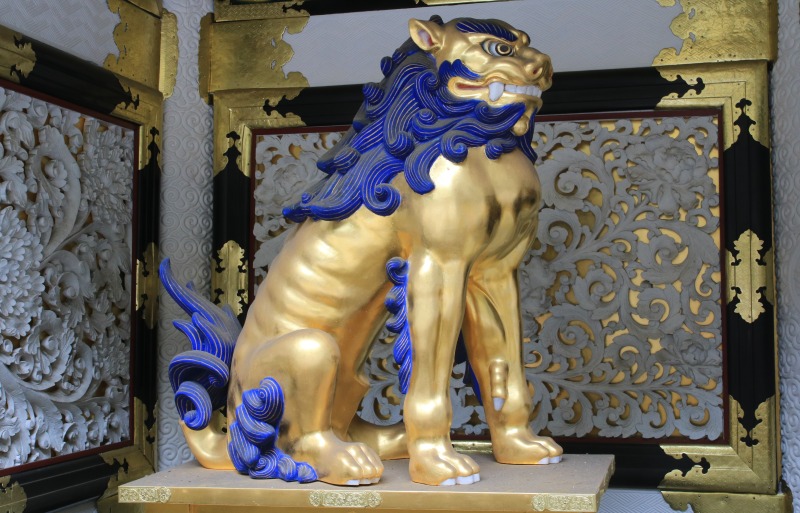
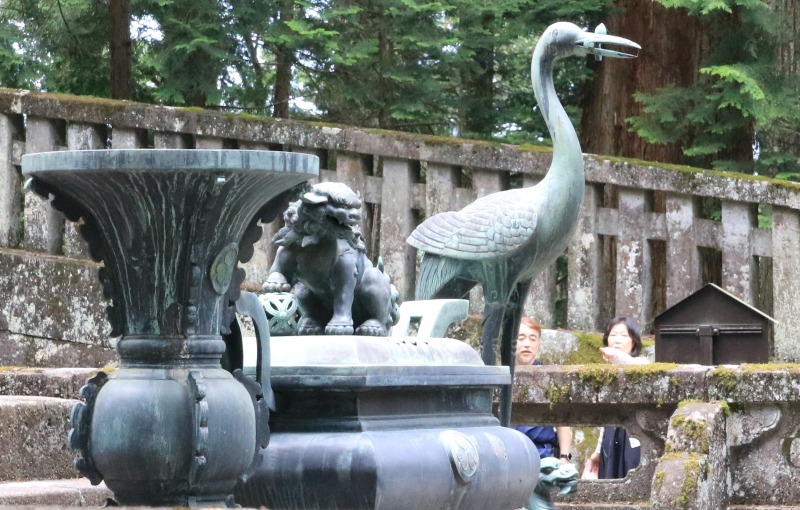
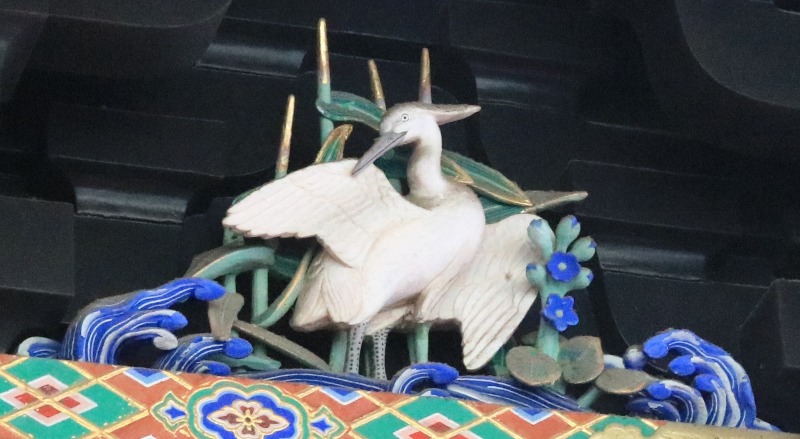
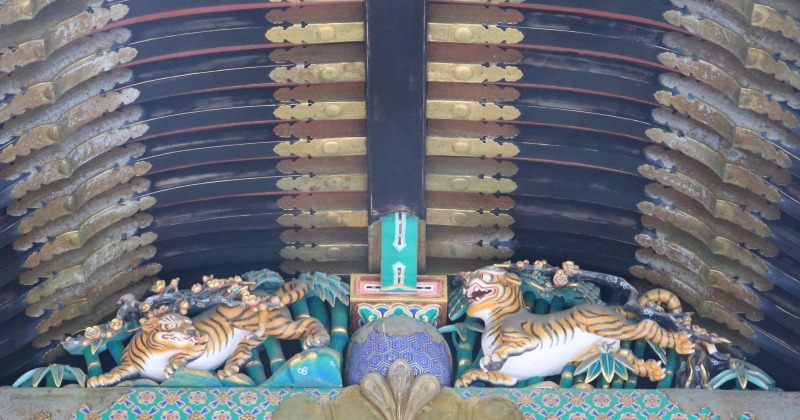
Nikko Tosho-gu is one of the most artistic shrines in Japan, if not the most artistic one. The entire area is a collection of works of art. I was overwhelmed by the elaborate artistry of so many objects. The shrine holds a total of 5,173 sculptures and objects. Many of these works are not merely decorative; they carry meaningful messages about life and wishes for peace.
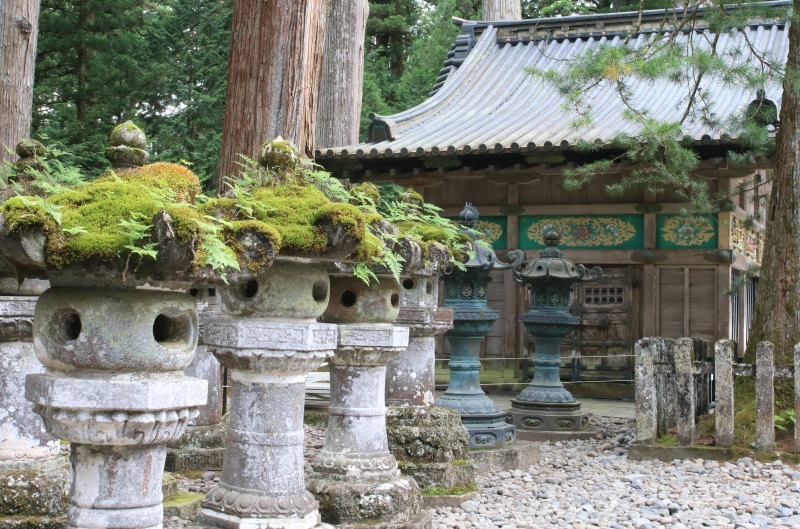
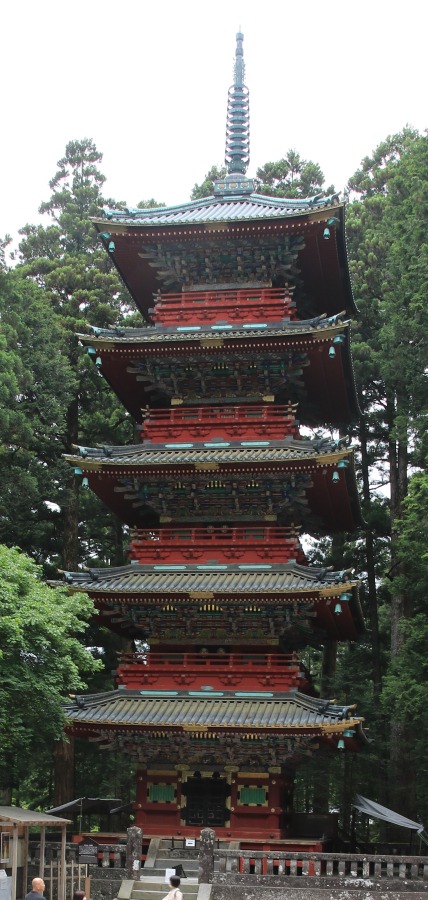
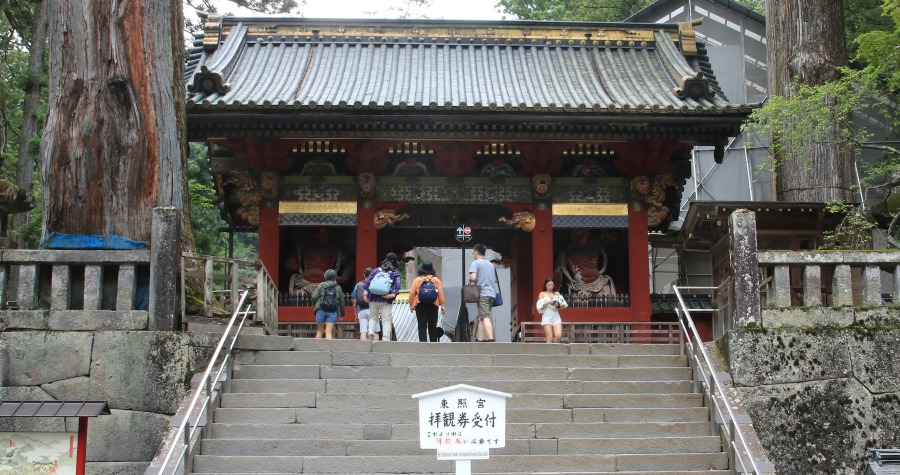
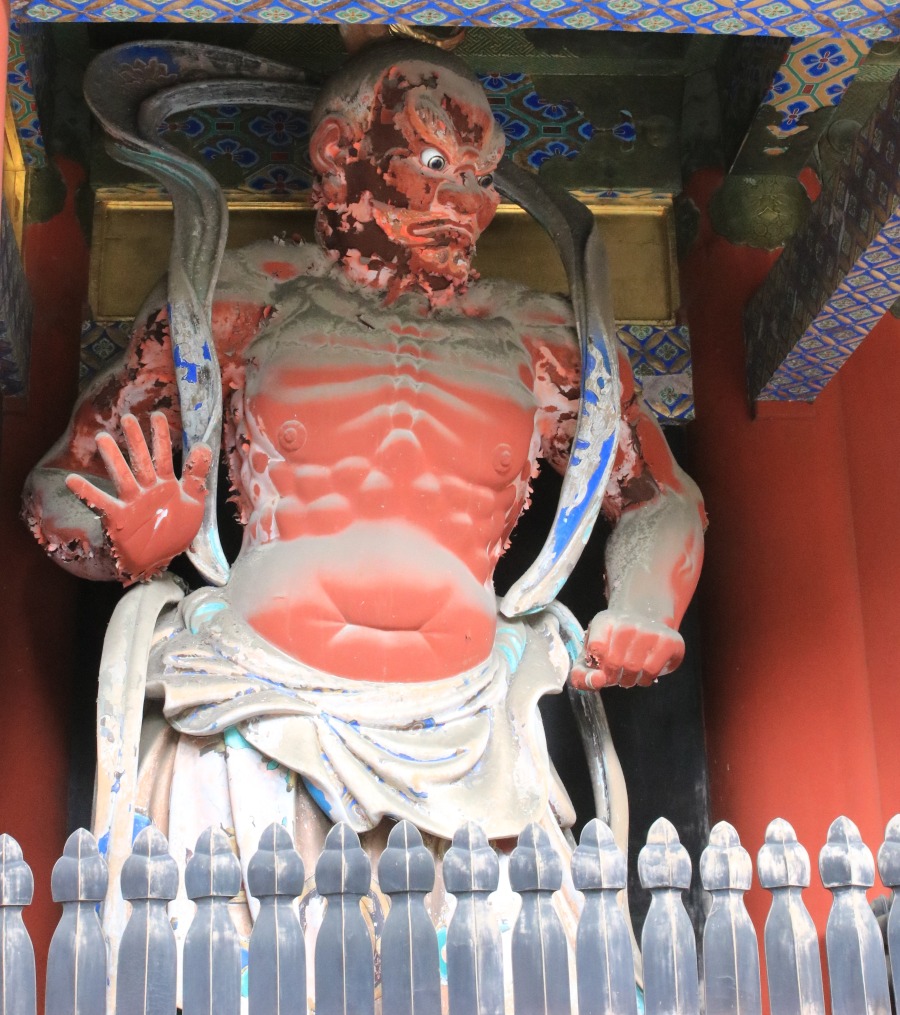
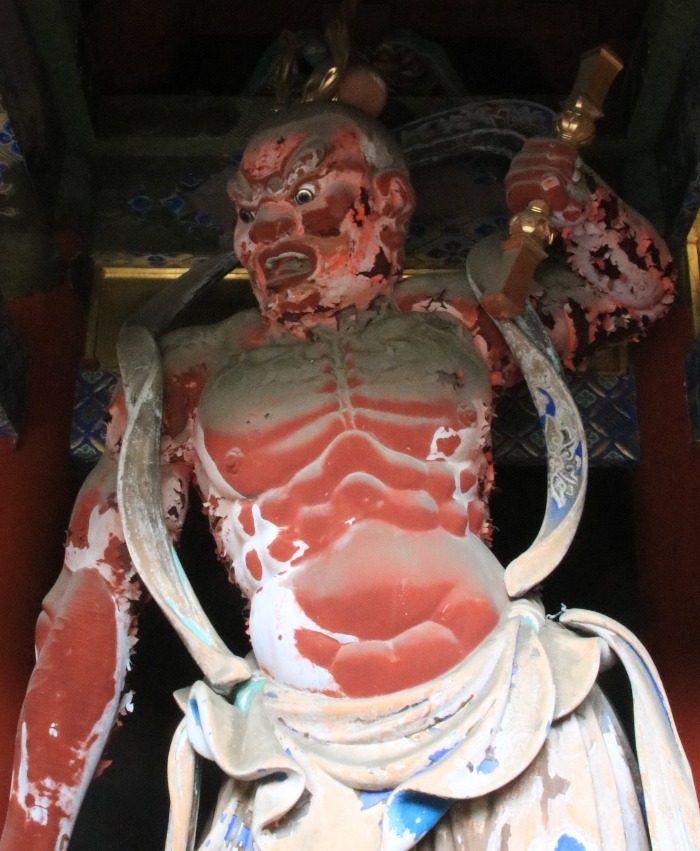
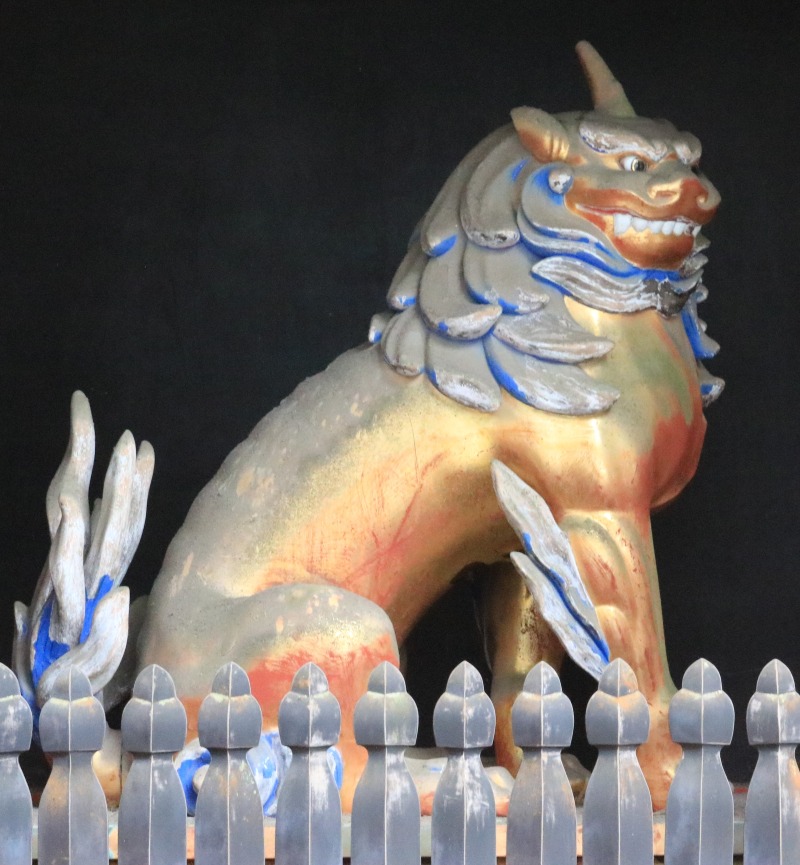
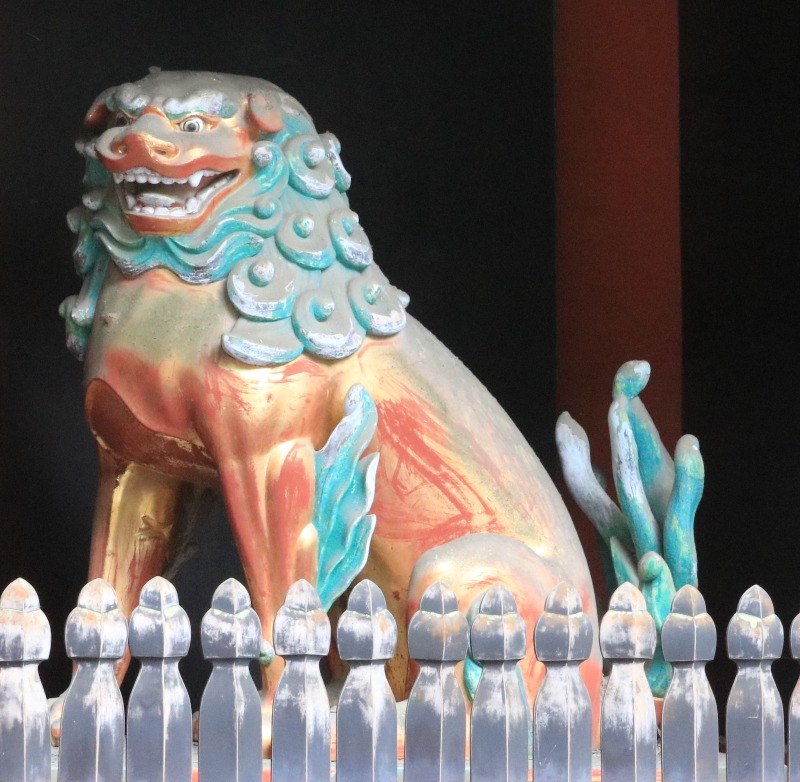
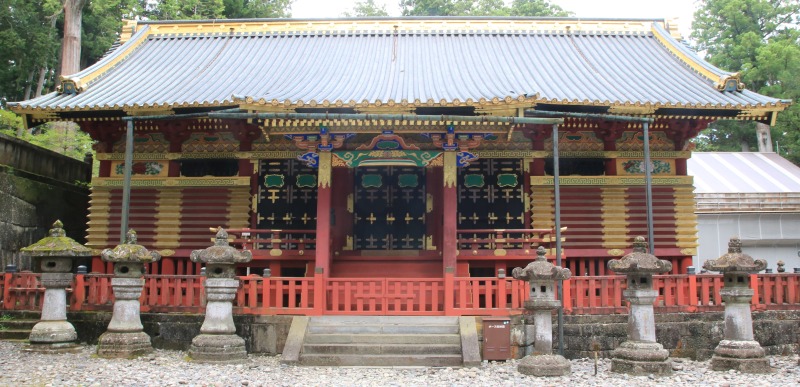
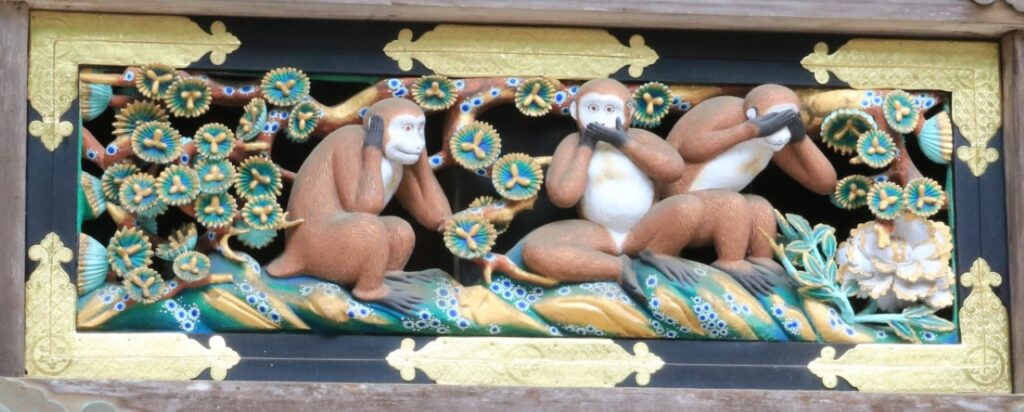
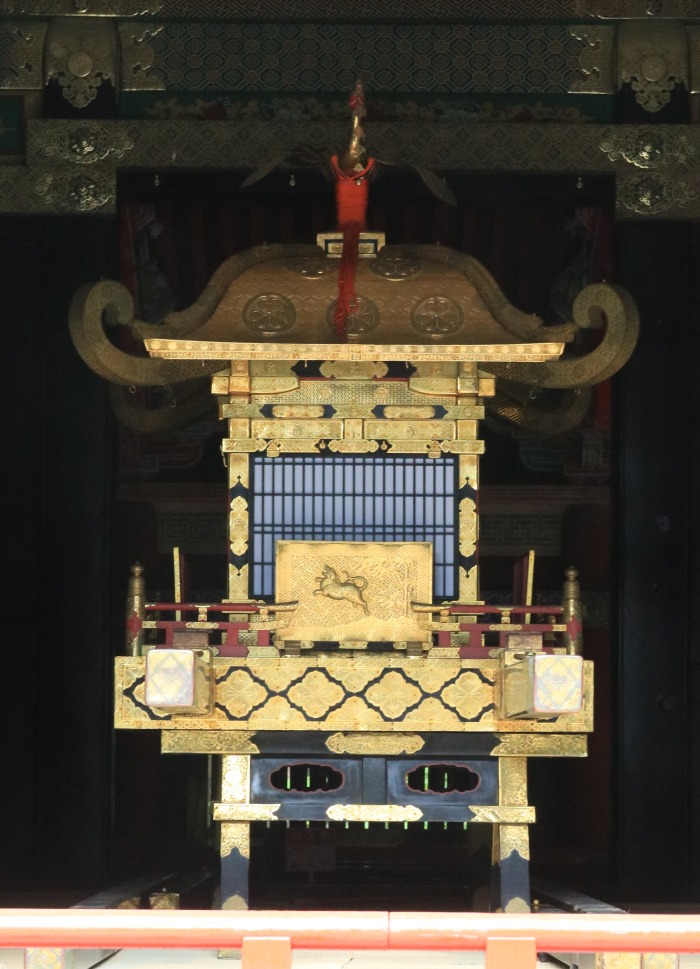
One of the main artworks:
The Three Wise Monkeys of “See No Evil, Hear No Evil, Speak No Evil.”
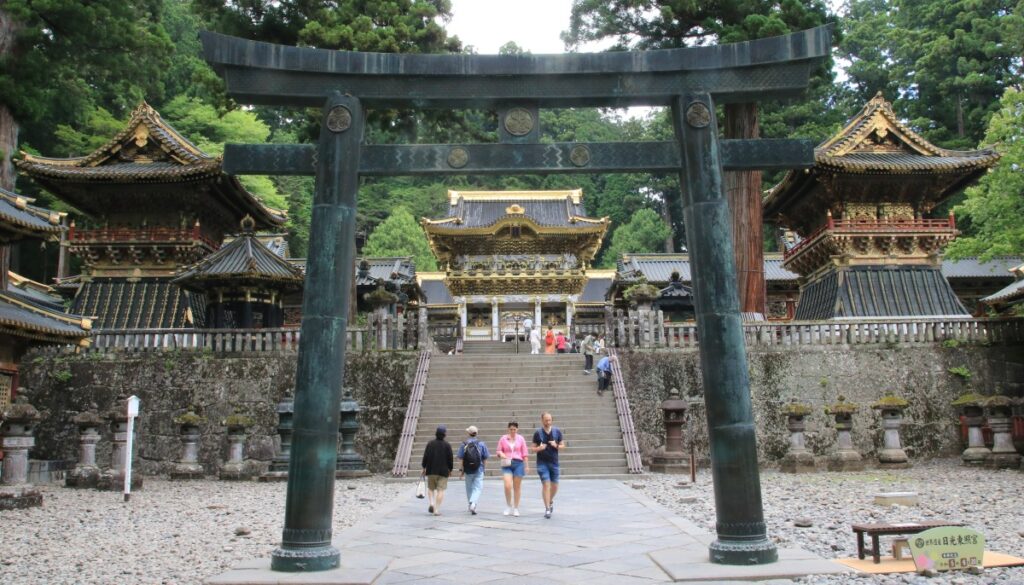
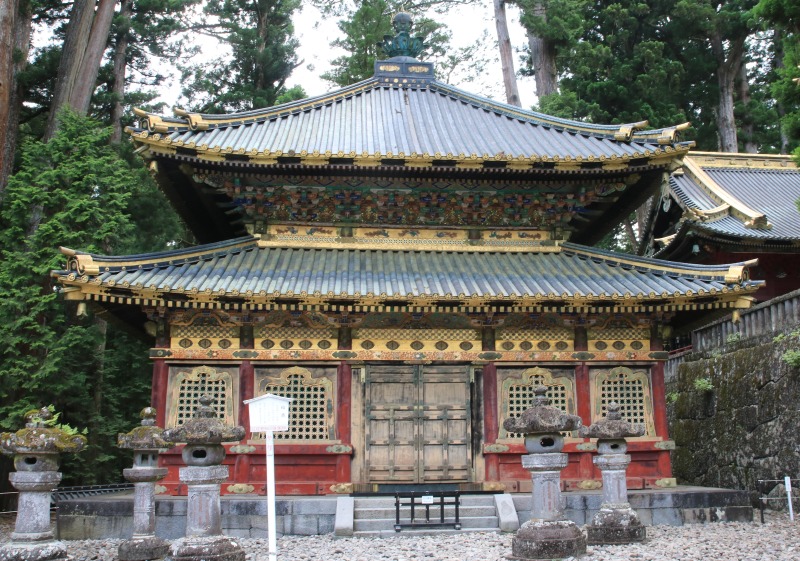
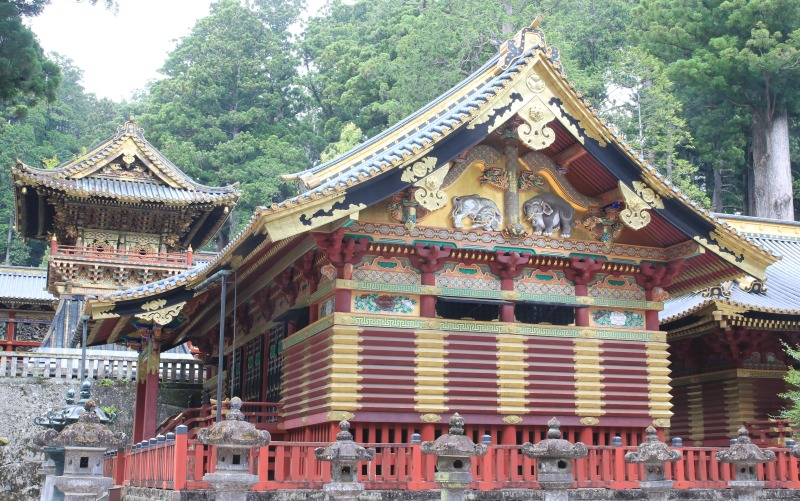
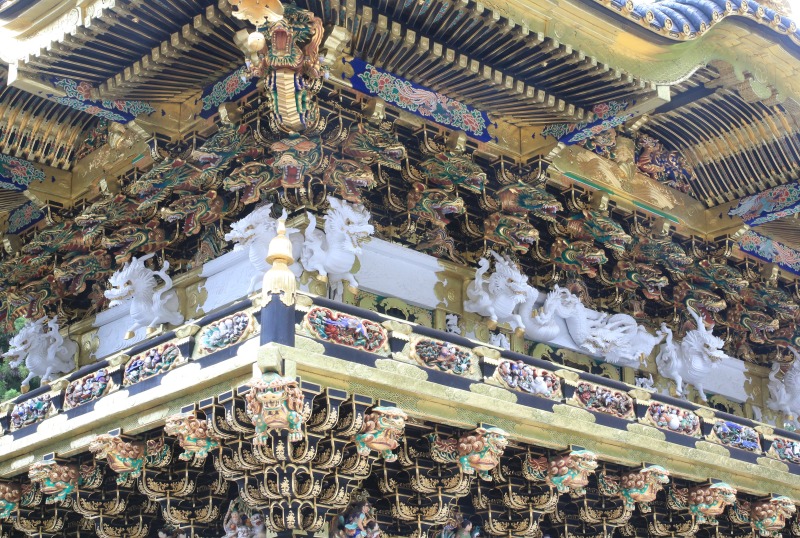
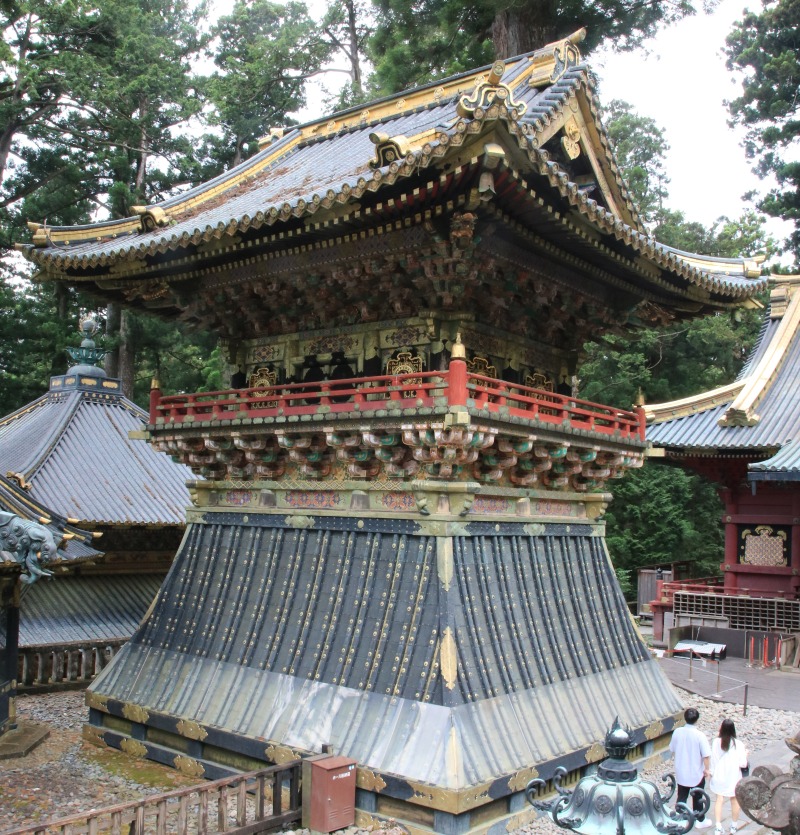
The Youmeimon Gate is a national treasure and one of the most spectacular structures in Nikko Tosho-gu Shrine.
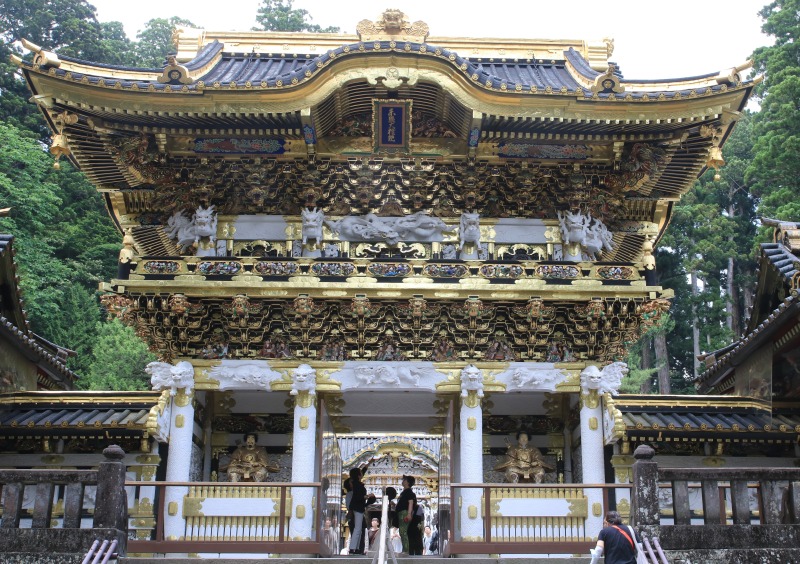
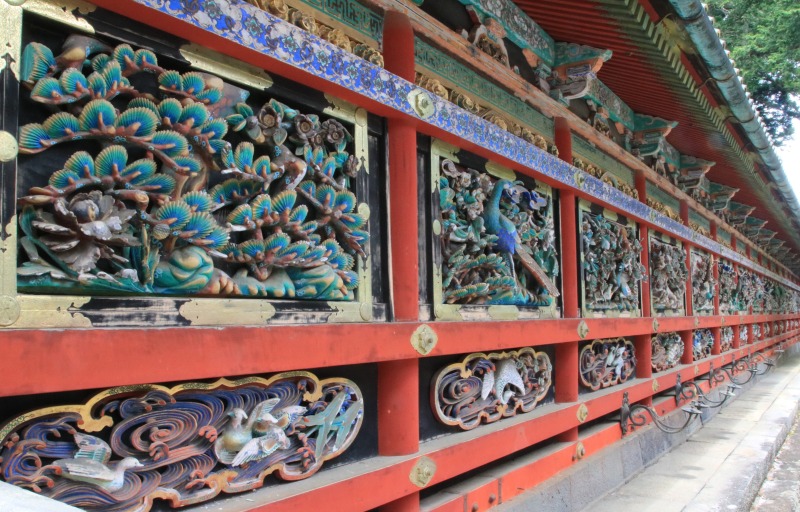
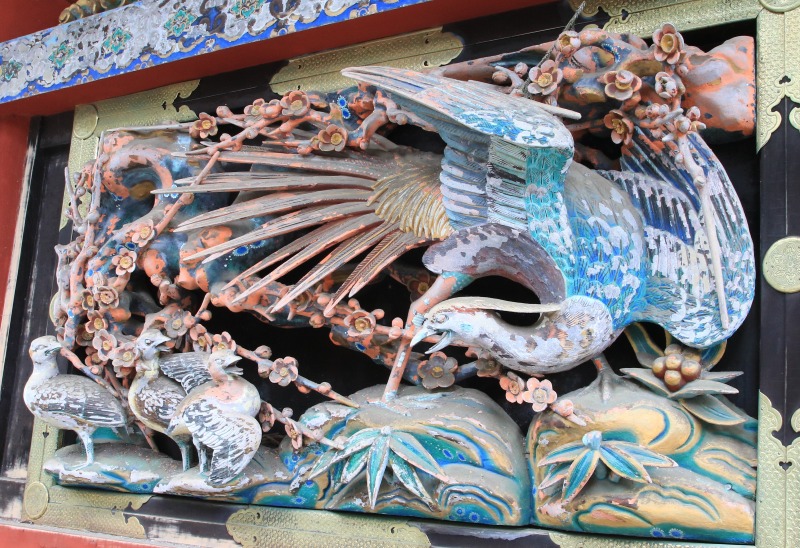
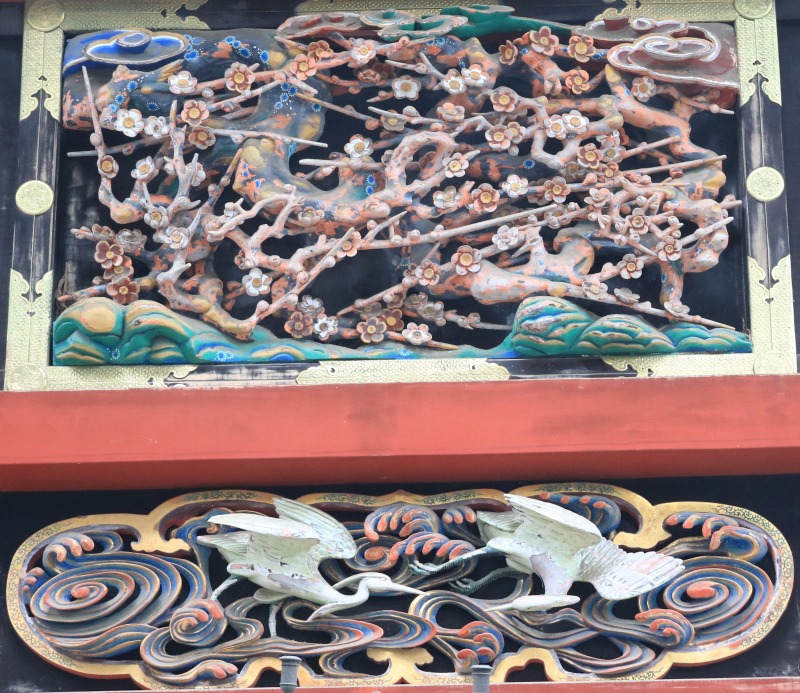
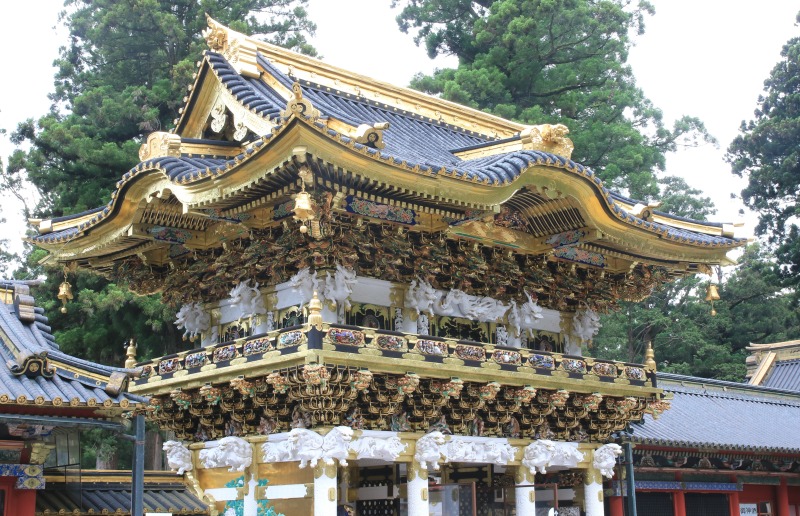
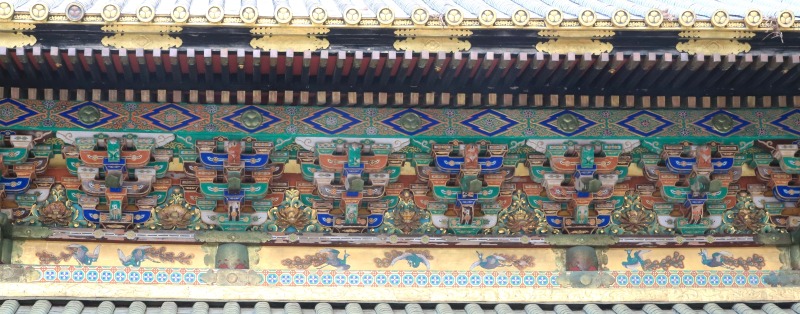
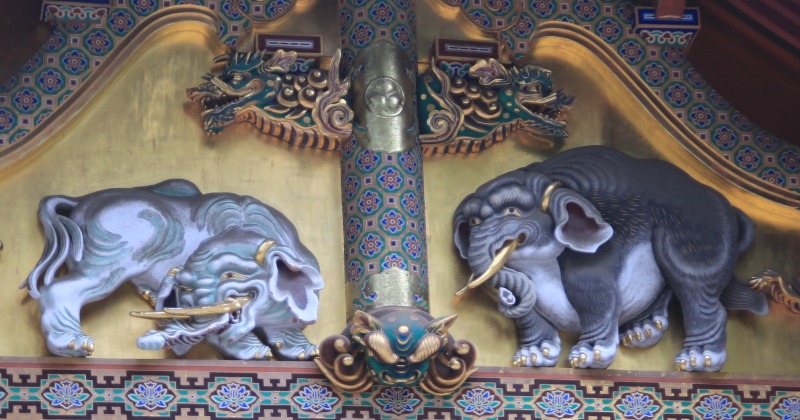
The Yomeimon Gate is a masterpiece of craftsmanship and decorative techniques from the early Edo period, including sculpture, metalwork, and polychromatic painting. Its splendid construction is so captivating that one could gaze upon it all day without growing weary, earning it the nickname “Sunset Gate.” There are over 500 sculptures depicting historical tales, children’s games, sages, and wise men.
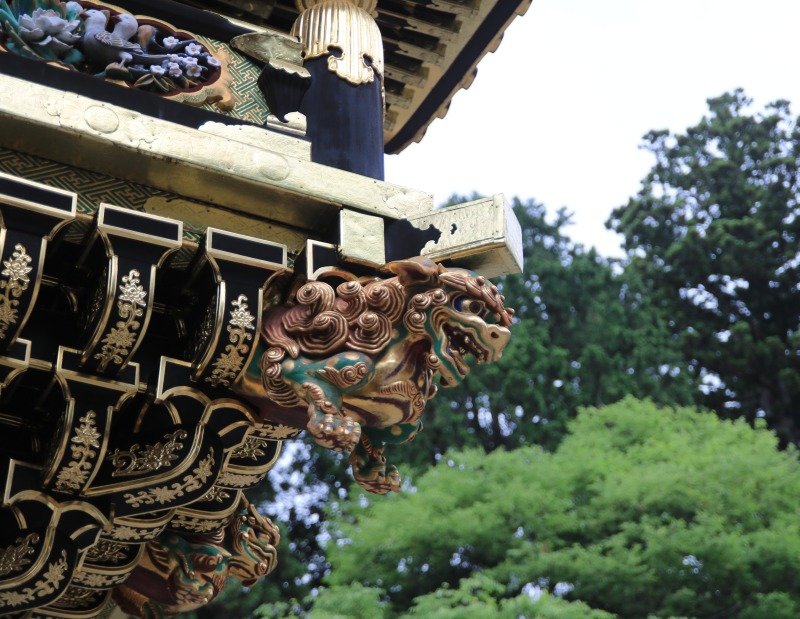
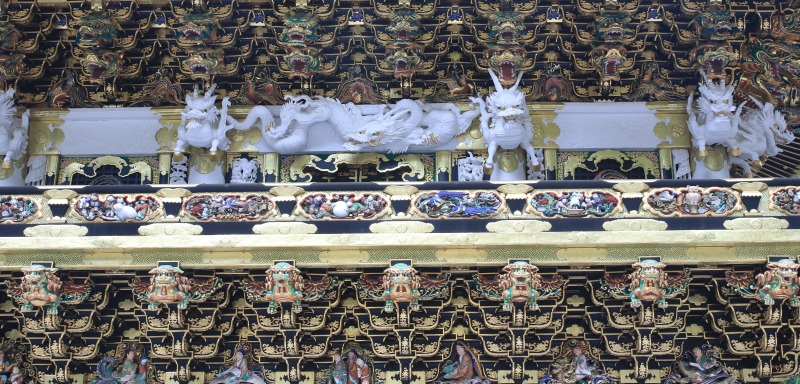
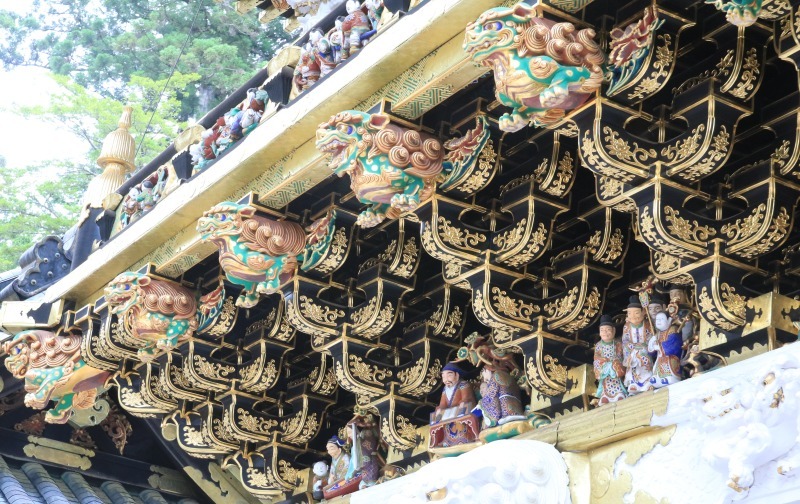
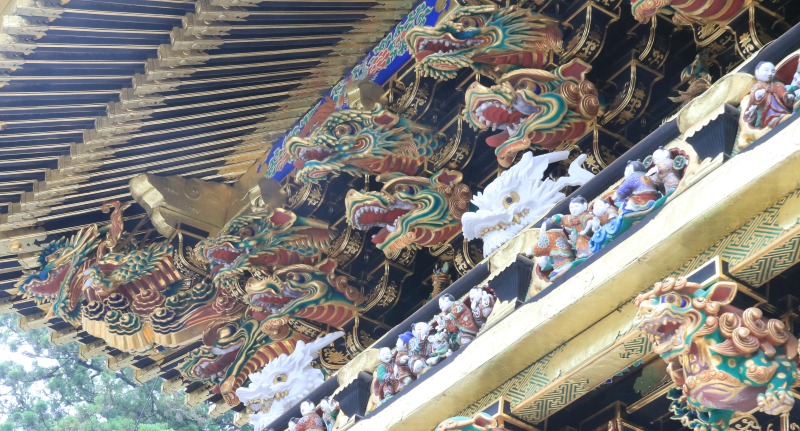
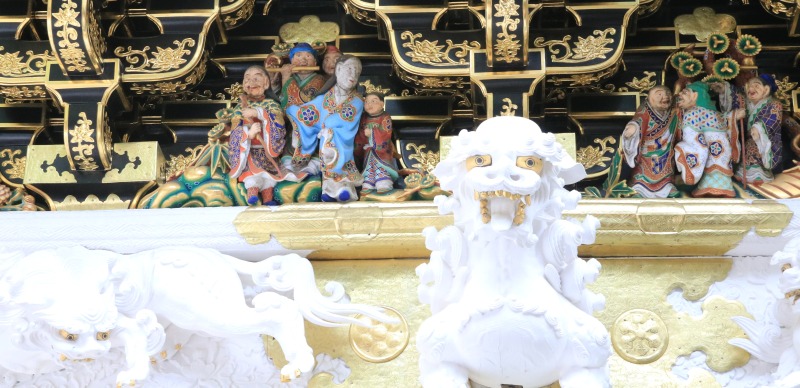
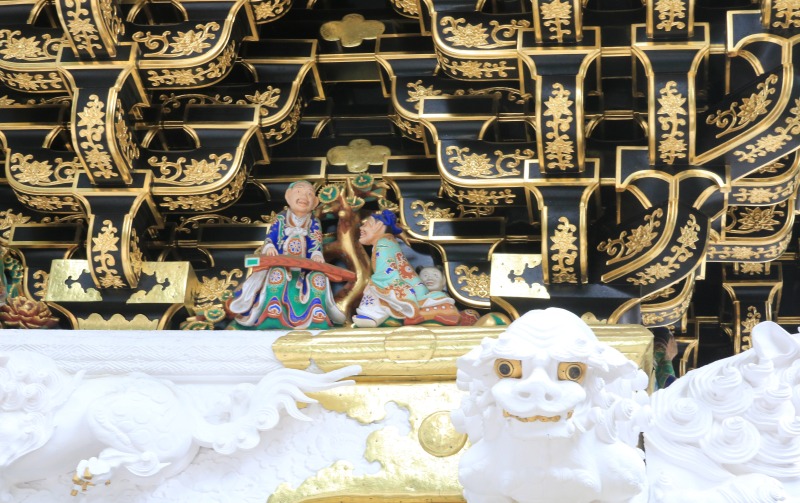
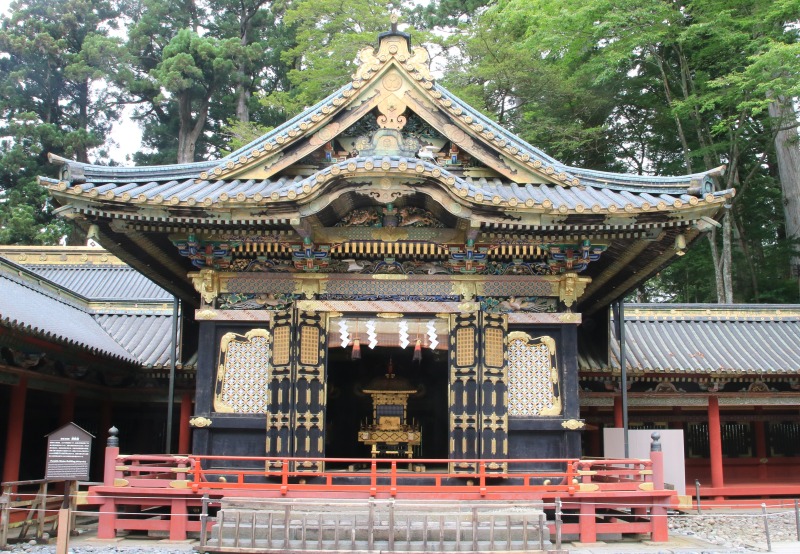
The Karamon Gate and the main shrine
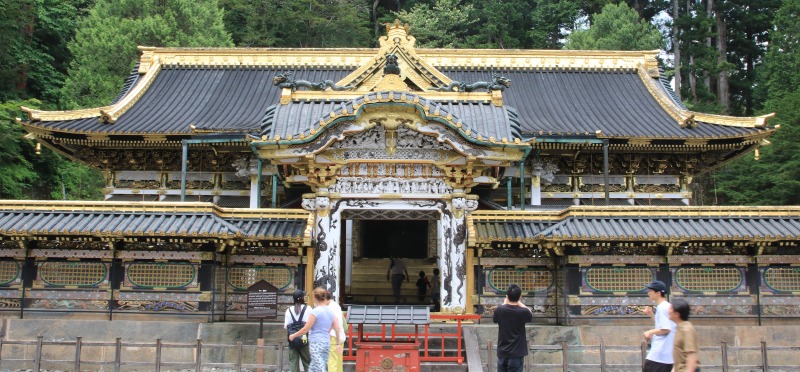
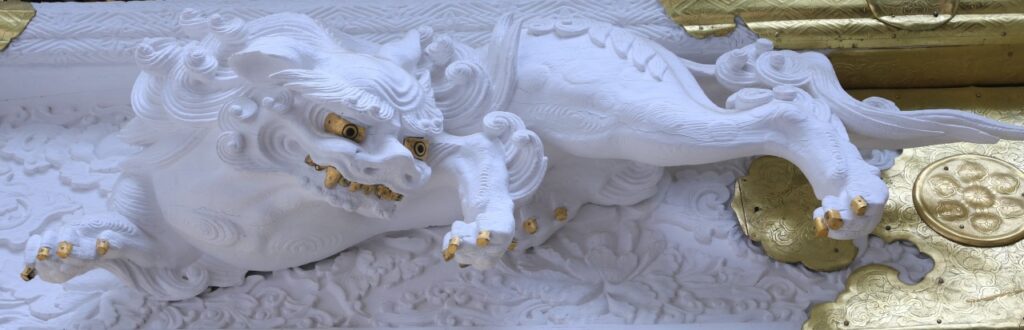
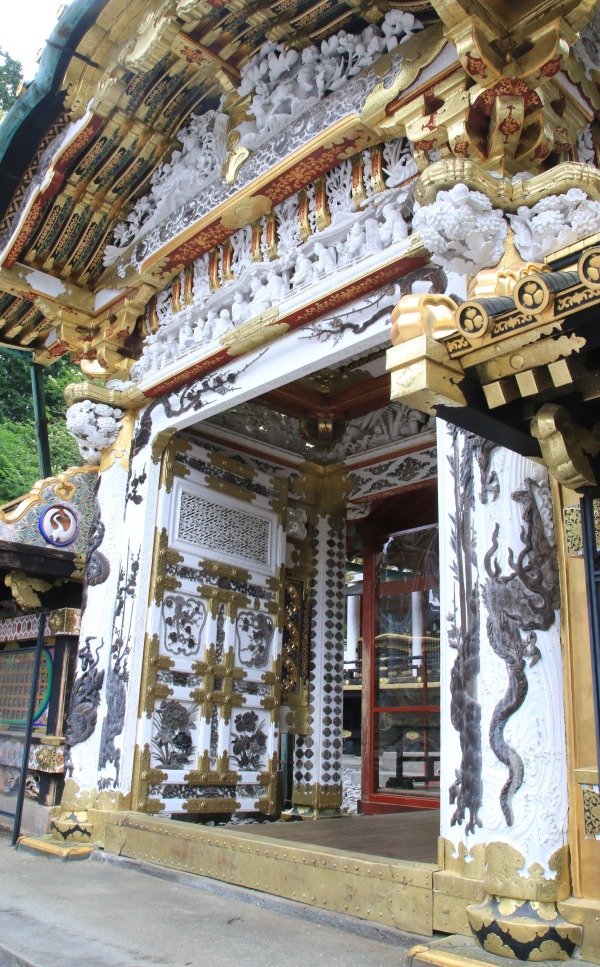
The Karamon Gate was built to guard the main hall of the Tōshōgū Shrine. Its defining feature is that the entire structure is painted white with gōfun, a white pigment made from ground seashells. The gate is a National Treasure. The imposing carvings of a rising dragon and a descending dragon on the front are eye-catching, and there are more than 600 carvings on the entire gate. There are detailed carvings depicting figures from ancient Chinese history.
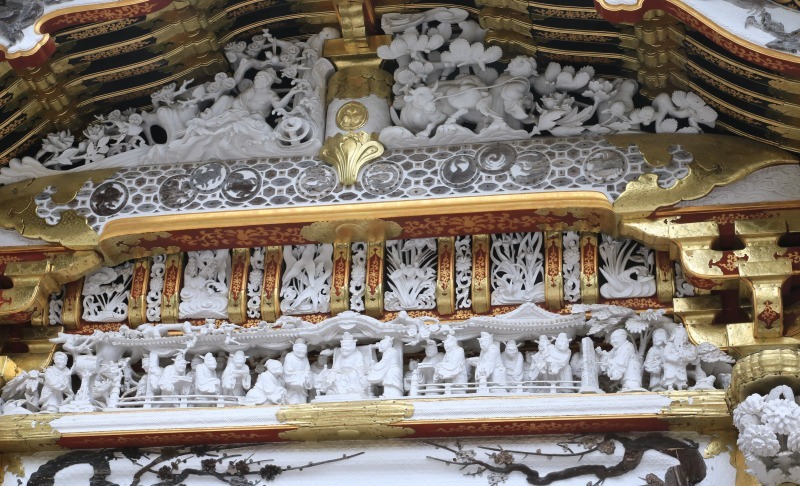
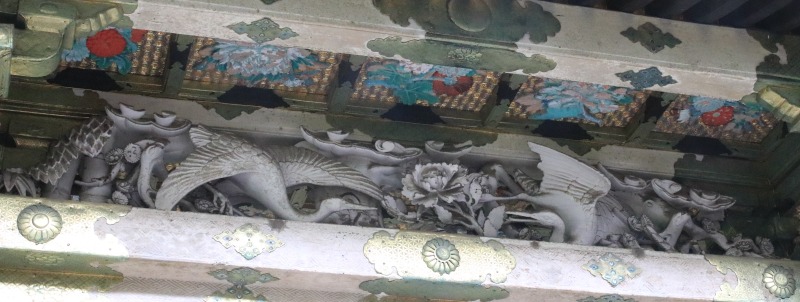
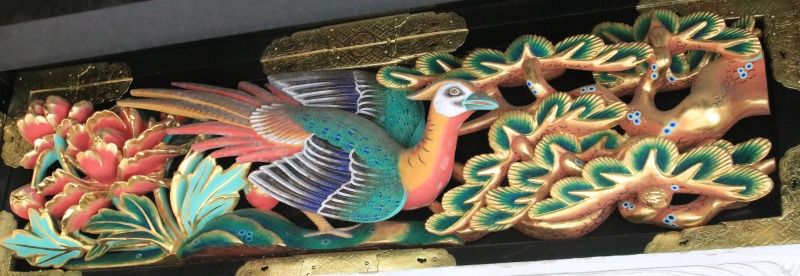
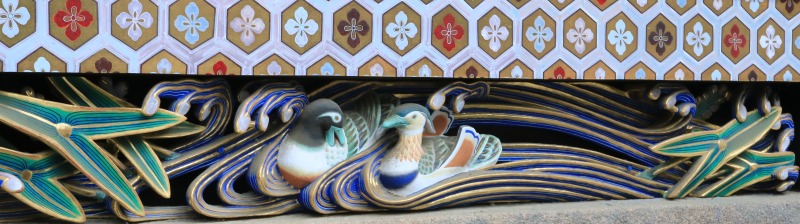
One of main art works:
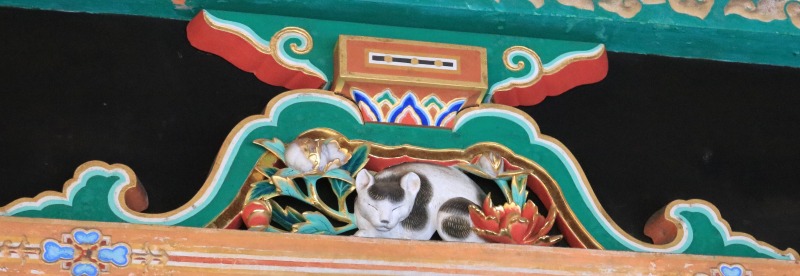
The Sleeping Cat is a national treasure believed to have been created by the legendary sculptor Jingoro Hidari. It symbolizes the peaceful era that Shogun Ieyasu created.
Getting to Nikko
Nikko is located about 120 kilometers north-northeast of Tokyo. Nikko Station is connected to Tokyo by Tobu Railway and Japan Railways (JR):
By Tobu Railway from Asakusa Station
The Tobu train to Nikko departs from Tobu Asakusa Station, which can be accessed via the Ginza and Asakusa subway lines.
The luxurious limited express train, Spacia X, takes about one hour and 50 minutes for the one-way trip.
The one-way trip by the less expensive express trains, Kegon and Liberty Kegon, takes about the same amount of time.
By Tobu Railway from Shinjuku Station
You can also take the Tobu train from JR Shinjuku Station. The one-way trip by the express trains, Nikko and Spacia Nikko, takes about two hours. These trains run only once in the morning on weekdays and twice on weekends and holidays.
By Japan Railways (JR) from Tokyo Station
If you have a JR Pass or don’t mind paying a high ticket price, take the Tohoku Shinkansen from Tokyo or Ueno Station to Utsunomiya Station. Then, transfer to the JR Nikko Line. The one-way trip usually takes about two hours.
Alternatively, you can take a regular train to Utsunomiya Station and transfer to the JR Nikko Line. This trip takes about three to three and a half hours.
Nikko Tosho-gu is about 2.3 kilometers away from Tobu Nikko Station. If you plan to take the bus, ride the Tobu World Heritage Sightseeing Bus (Route W) and get off at Omotesando (表参道). Alternatively, you can take a bus to Chuzenji Onsen (中禅寺温泉) or Yumoto Onsen (湯元温泉) and get off at Nishisandō Iriguchi (西参道入口).
Accommodations
There are many hotels near Nikko Tosho-gu Shrine, but if you like onsen, I recommend staying at Kinugawa Onsen which is a very famous onsen resort. You can find some great pictures of Kinugawa Onsen on the official Nikko City website.
Niouson Plaza is a relatively inexpensive Onsen hotel. It has indoor and outdoor onsen baths. In addition, real sightseeing ships that used to travel down the Kinugawa River, are now used as onsen bathtubs.
Kinugawa Onsen Hotel is a well-known and popular hotel in Kinugawa Onsen.
Local buses run between Kinugawa Onsen and Nikko Tosho-gu Shrine.
Utsunomiya City is the capital of and the largest city in Tochigi Prefecture. Utsunomiya City is about 38 km from Nikko Tosho-gu, a distance that can be covered in 40 to 45 minutes by train. It is a good idea to stay in Utsunomiya City and visit other sightseeing spots, such as the Oya History Museum and the town of Mashiko.
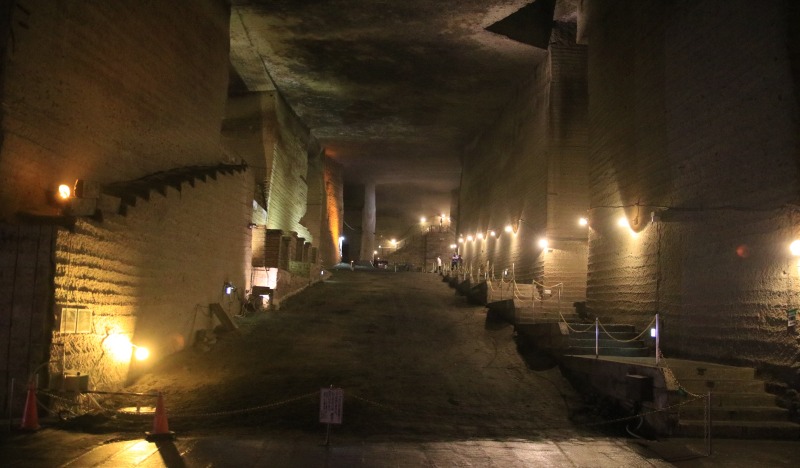
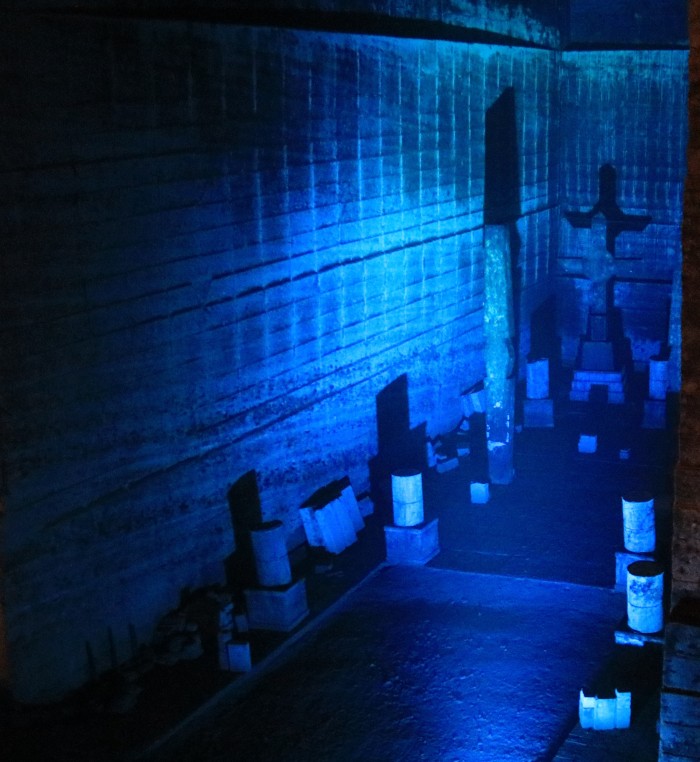
Oya History Museum is a quarry turned into a museum. The underground stone quarry has been transformed into a mystical art space.
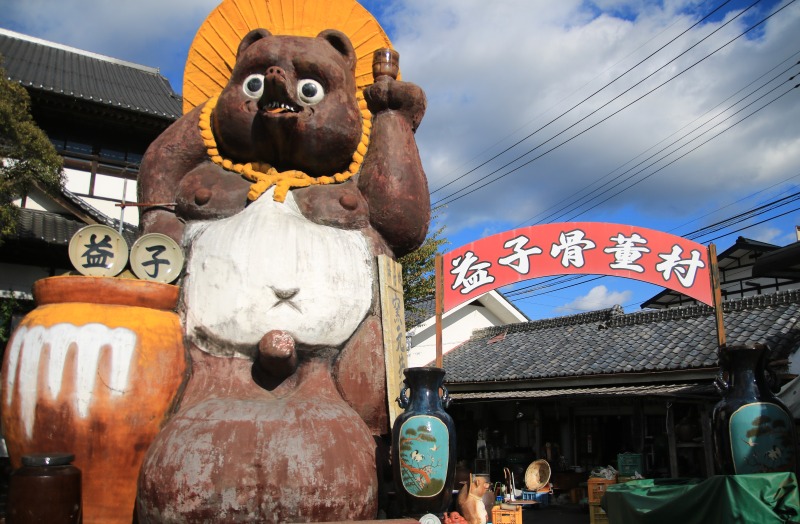
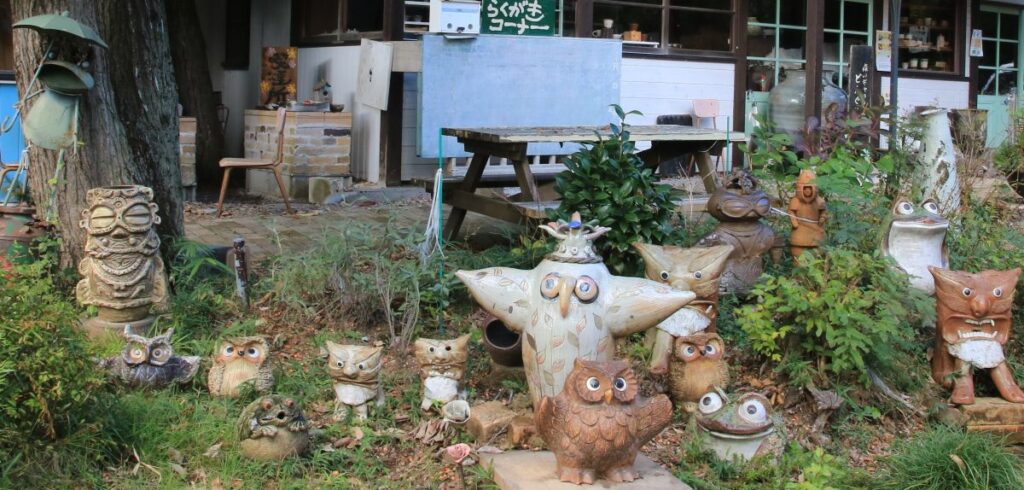
Mashiko is a well-known town for manufacturing ceramics. You can find various ceramic goods there.