Temples of historical significance
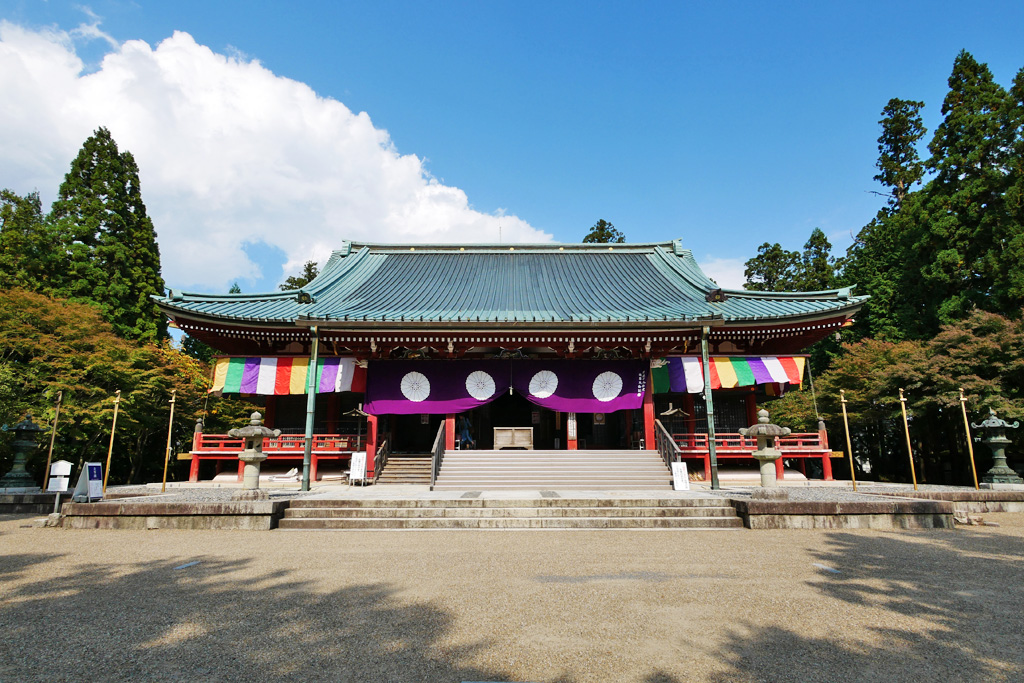
Hieizan (Mt. Hiei) is located between Kyoto and Shiga Prefectures. A Buddhist named Saicho created a temple near the top of Mt. Hiei in 788 A.D. Then he traveled to China to study Tendai sect of Buddhism. After returning, he spread the teachings of Buddhism he had learned in China, and the temple has attracted many Buddhists. Founders of many major Buddhism sects, such as Honen (法然), Eisai (栄西), Shinran (親鸞), Dogen (道元), and Nitiren (日蓮) have studied there. Consequently, Mt. Hiei is considered as the mother mountain of Japanese Buddhism.
About Enryaku-ji
Enryaku-ji is not just one temple, but an entire area consisting of about 100 buildings spread across 1,700 hectares of land on the mountain. The area consists of three main sections: The To-do area is in the east, the Sai-to area is in the west, and the Yokawa area is in the north. Each area has its own main temple.
To-do (East Temples)
To-do is the birthplace of Enryaku-ji Temple, which is centered around Conpon Chudo, its main temple. Conpon Chudo was founded by the great Buddhist Saicho. Currently, Conpon Chudo is undergoing major renovations, and the structure is covered with construction sheets. Visitors can go inside and observe the renovations. Other important buildings, such as the Main Lecture Hall (where the ancestors of various sects are enshrined) and the Amida Hall (where the souls of ancestors rest), are located here.
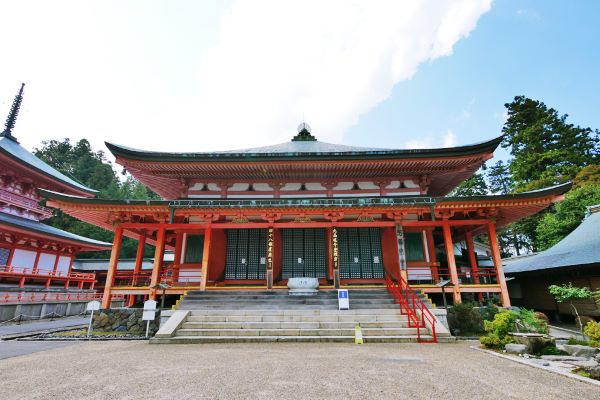
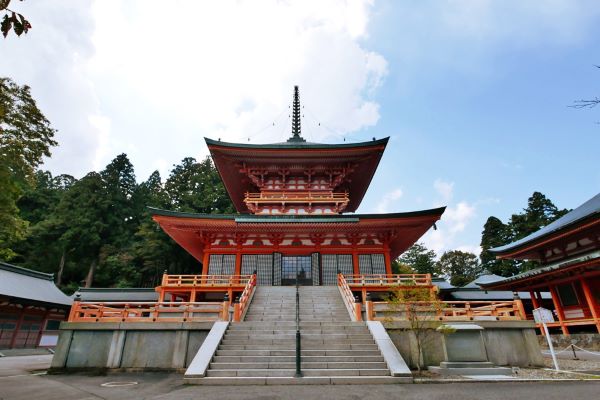
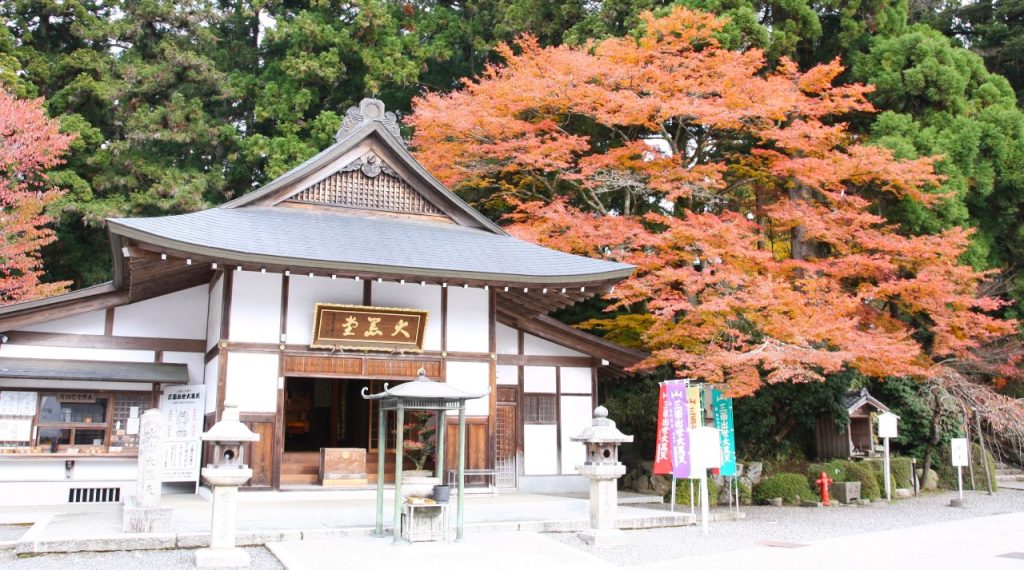
The Enryaku-ji Bus Center is located in the To-do area. Visitors can board shuttle buses to the top of Mt. Hiei, the West Temples, the Yokawa area, and local buses to Kyoto City from the Bus Center. Visitors can also dine and stay overnight at Shukubo Enryaku-ji Kaikan where they can experience ascetic practices (reservation required). A branch of the well-known soba noodle shop, Tsuruki Soba, is located near the main temple, Conpon Chudo. In my opinion, the soba here is not as good as the original Tsuruki Soba in Sakamoto, Shiga Prefecture. If you have time and want to taste really good soba noodle, I recommend the original Tsuruki Soba in Sakamoto. It is located near Keihan Sakamoto Hieizan Kuchi Station. Note that the shop is open between 11AM and 3 PM. If you’re visiting Hieizan from the Shiga side, it’s a great place to stop for lunch.
Sai-to (West Temples)
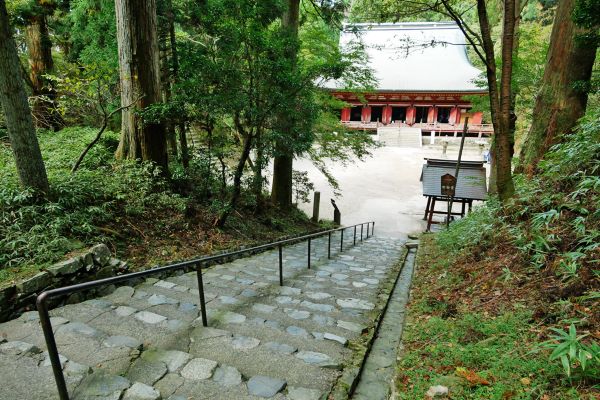
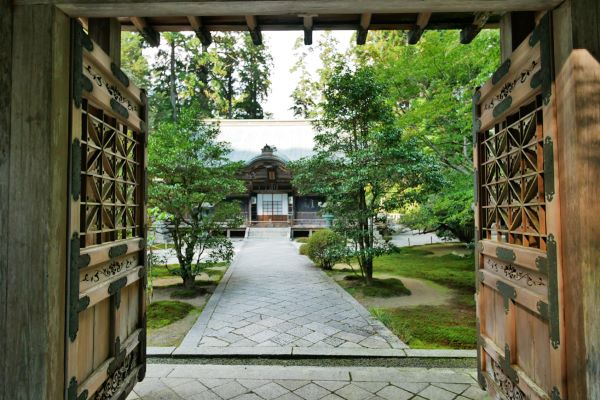
The main temple in the Sai-to area is the Shakado Temple. Located about one kilometer north of the To-do area, the Sai-to area was initially created by Jakko Daishi Encho, a disciple of Saicho and the second leader of the Tendai sect. Other facilities include Ninai-do, a hall for ascetic practices, and Jodoin, Saicho’s mausoleum. There is also a training hall for the general public, Kojirin (居士林), where visitors can experience ascetic practices (reservations required). From the To-do area, it is a five-minute shuttle bus ride or a 20-minute walk on an unpaved, hilly path.
Yokawa Area
Yokawa Chudo is the main temple and the center of the Yokawa area. It is located about 4 km north of Sai-to (West Temples) and was founded by Jikaku Daishi Ennin, the 3rd leader of the Tendai sect. Other notable buildings include Eshindo Hall and Shiki Kodo Hall (Gansan Daishi Hall), which enshrines Gansan Jie Daishi Ryogen, who is famous for fortune-telling and warding off evil spirits. From the To-do area, 15 minutes by shuttle bus and more than 100 minutes on foot (Tokaido Nature Trail). From the Sai-to area, 10 minutes by shuttle bus.
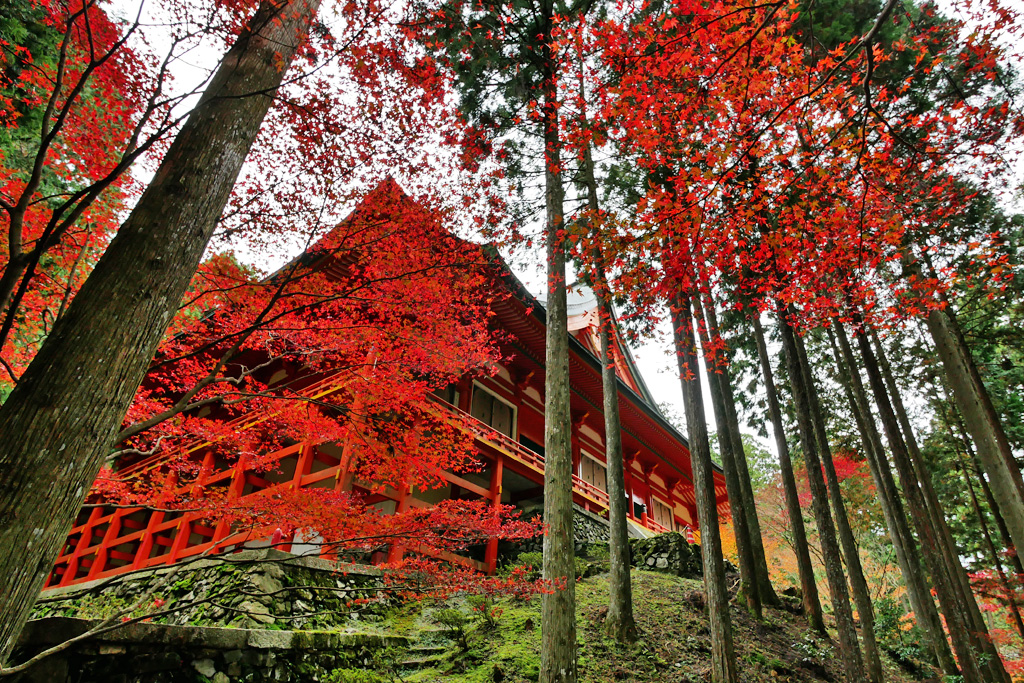
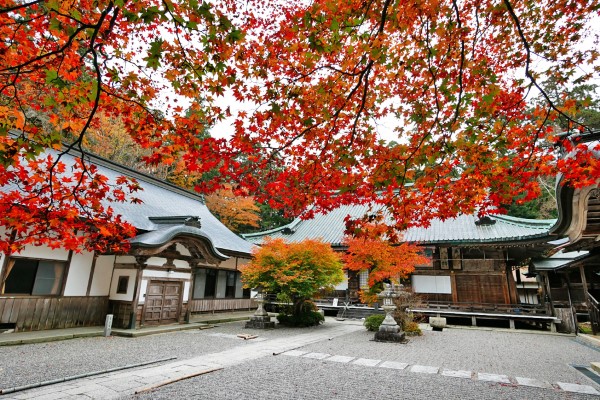
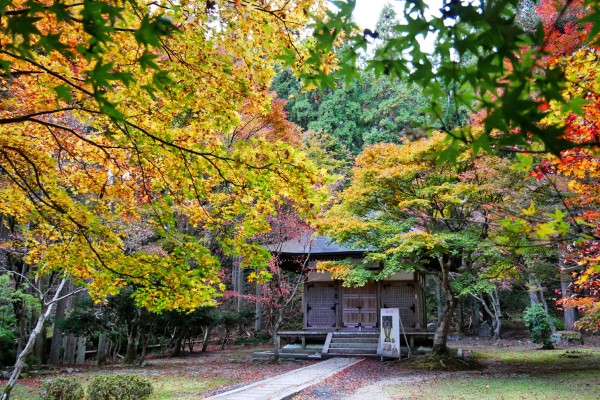
Sai-to and Yokawa areas are very quiet areas in Enryaku-ji Temple. You may feel spiritual air in these areas.
The Garden Museum Hiei
The Garden Museum Hiei is located at the top of Mt. Hiei, which is 840 meters high. It consists of many flower gardens, as well as a souvenir shop and a cafeteria. The gardens feature porcelain panel paintings of French Impressionists. It’s a nice place to relax and enjoy the gardens and artwork, but don’t expect anything particularly Japanese about the place.
Sakamoto Area
Rather than making a simple round trip between Kyoto City and Enryaku-ji, go down to the other side of Mt. Hiei to visit Sakamoto. You can walk down or take Hieizan Sakamoto Cabe car. This area has been a residential area of high-rank Buddhists, and there are many temples, gardens and shrines. A well-known soba noodle shop, Tsuruki Soba, is near the Keihan Sakamoto Hieizankuchi Station. It is easy to go back to Kyoto by Keihan or JR trains.
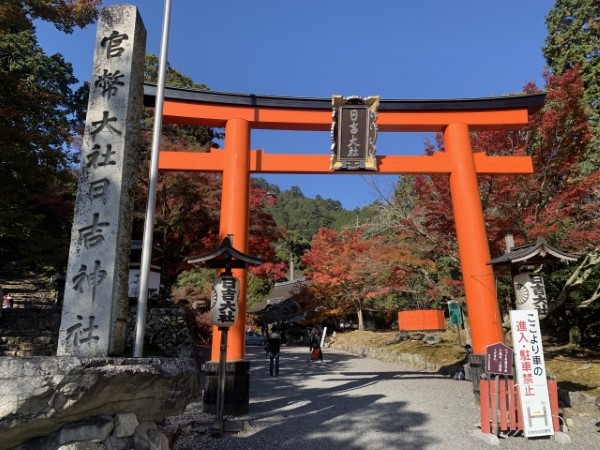
Hiyoshi Taisha Shrine is located at the foot of Mt. Hiei, near the Cable Sakamoto Station. It consists of 70 shrines. This area is famous for beautiful Japanese maple leaves.
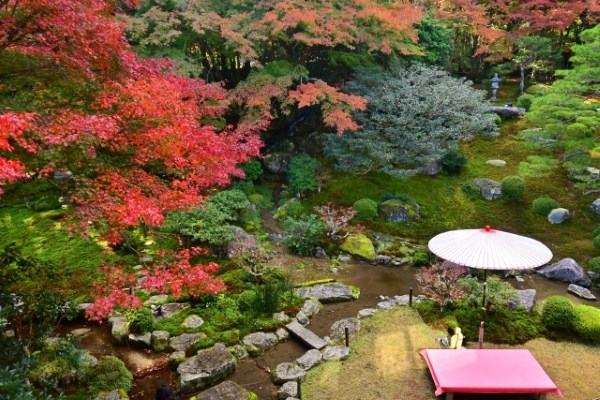
Kyu-Chikurin-In is famous for its garden and tea ceremony house. It is located right next to Hiyoshi Taisha.
Access
Going to Enryaku-ji is enjoyable whether you are going by car or by public transportation because the roads and rails run through scenic areas.
By Car:
Driving to Enryaku-ji Temple is the easiest way to get there. You have to take the toll road, Hieizan Driveway. Autumn leaves are beautiful along the driveway, and there are several scenic parking spots to rest and enjoy the view.
Public transportation
By Bus
Hieizan Drive bus to Enryaku-ji leaves from Kyoto Station, Sanjyo Keihan and Demachiyanagi Station.
By Train, Cable car and Aerial Ropeway
From Keihan Demachiyanagi Station, take the train to Yase Hieizan Guchi. Then walk 3 minutes to Cabe Yase Station.
Take the cable car to Cable Hiei Station. Then walk about a minute to Rope Hiei Station.
Take the aerial ropeway to the mountaintop. Walk about 6 minutes to the mountaintop bus stop.
Finally, take the shuttle bus to Enryaku-ji.
You can move between To-do, Sai-to, Yokawa and other areas by using Hieizan Shuttle Bus.
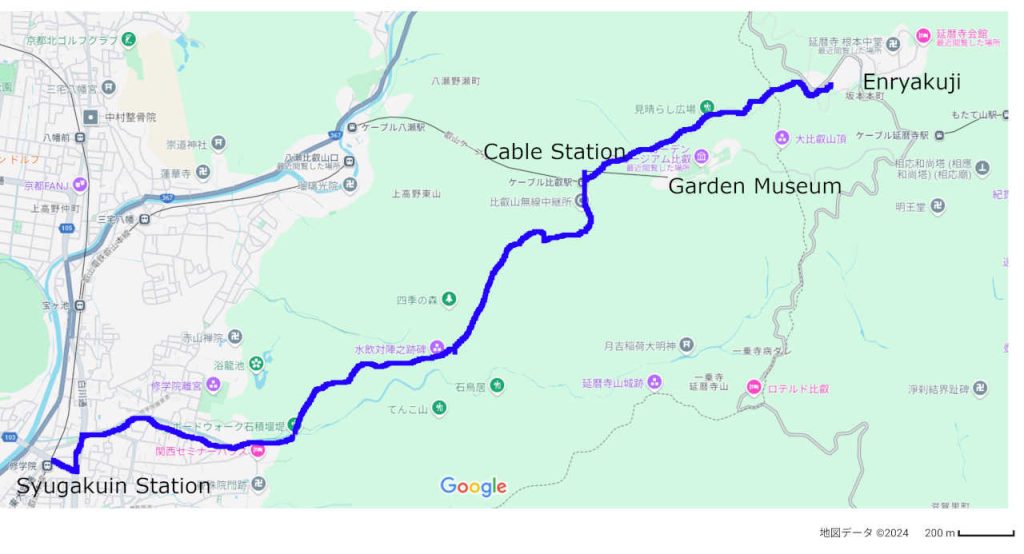
On foot
You can walk up the mountain to visit Enryaku-ji. There are many small temples, monuments and shrines along the path.
Distance: 6km
Time: 3 to 4 hours, one way
Take Eizan Railway to Syugakuin Station. Head East North East to Otowa River, or From Kyoto Station, Take City Bus No. 5 to Syugakuin Rikyumichi and walk about 130 m South to Otowa River. Walk toward the mountain along the river and you will reach the trailhead to Mt. Hiei.