Find the best places to enjoy autumn leaves in Kyoto.
Spring and fall are the best seasons to visit Kyoto. The historic architecture surrounded by autumn leaves is stunningly beautiful. Let me introduce you to some of the best places to visit in Kyoto this autumn. Embrace the charm of Kyoto in red and gold —it’s an experience you’ll cherish! For more information on Kyoto, please visit my Kyoto webpage.
Tōfuku-ji Temple
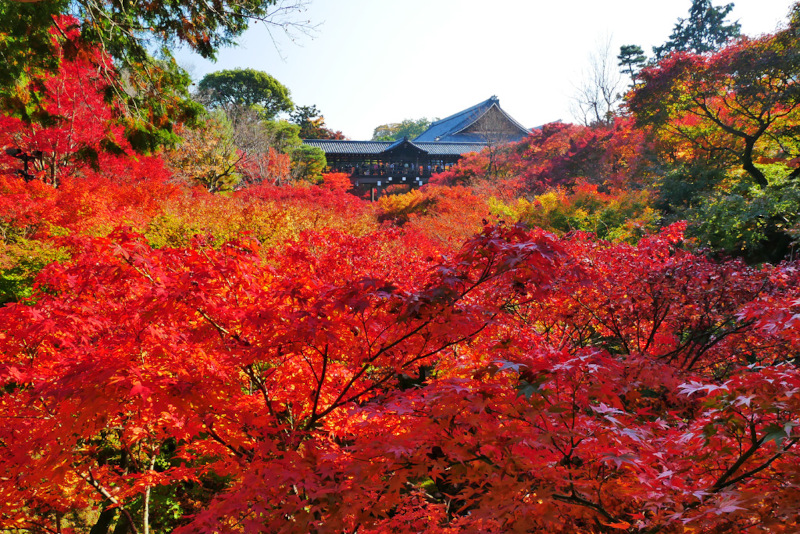
Tōfuku-ji Temple, the head temple of the Tōfuku-ji branch of the Rinzai school of Zen Buddhism, is one of Kyoto’s most popular spots for viewing autumn foliage. The temple’s vast grounds are home to approximately 2,000 Japanese maple trees that transform the entire area into a sea of crimson during the peak viewing period from mid to late November.
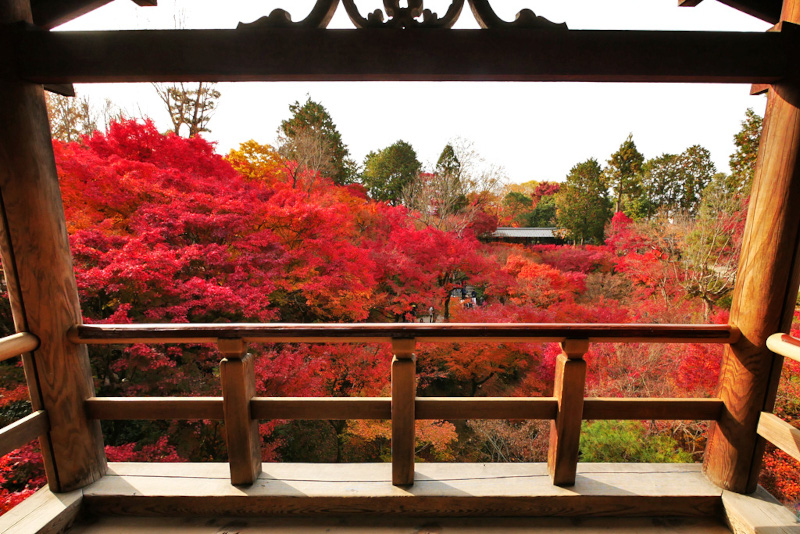
One particularly noteworthy view is the foliage seen from the Tuten-Kyo Bridge. The vivid valley scenery offers a breathtaking view. The temple also feature attractions like the Sanmon Gate, designated National Treasure, and the Honbō Garden, known for its Zen garden and distinctive checkerboard pattern garden.
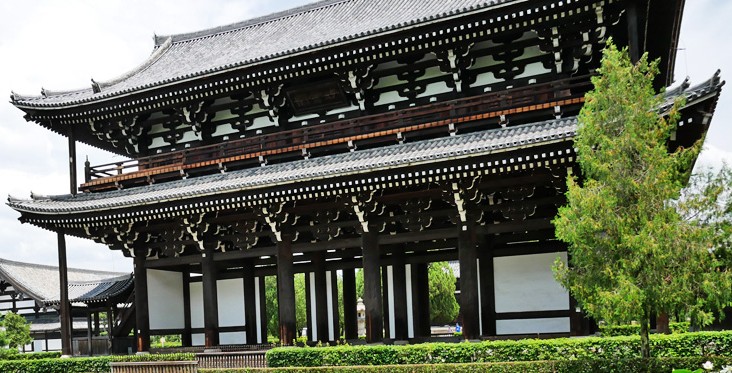
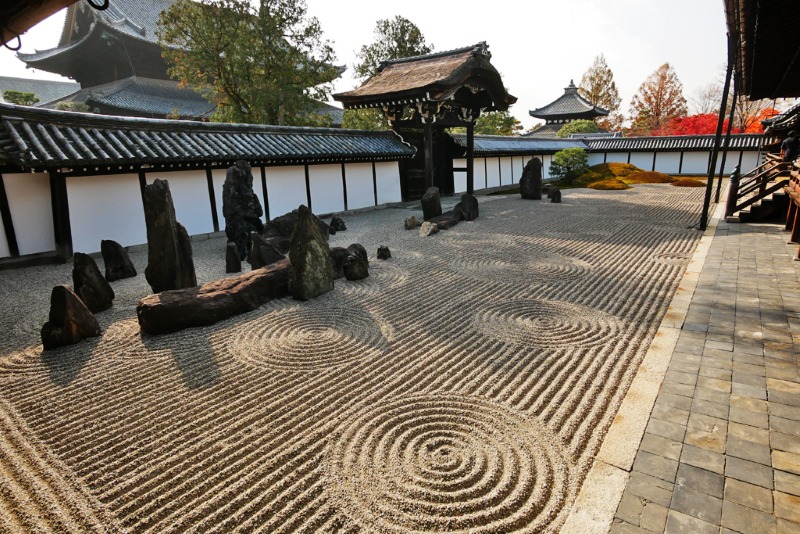
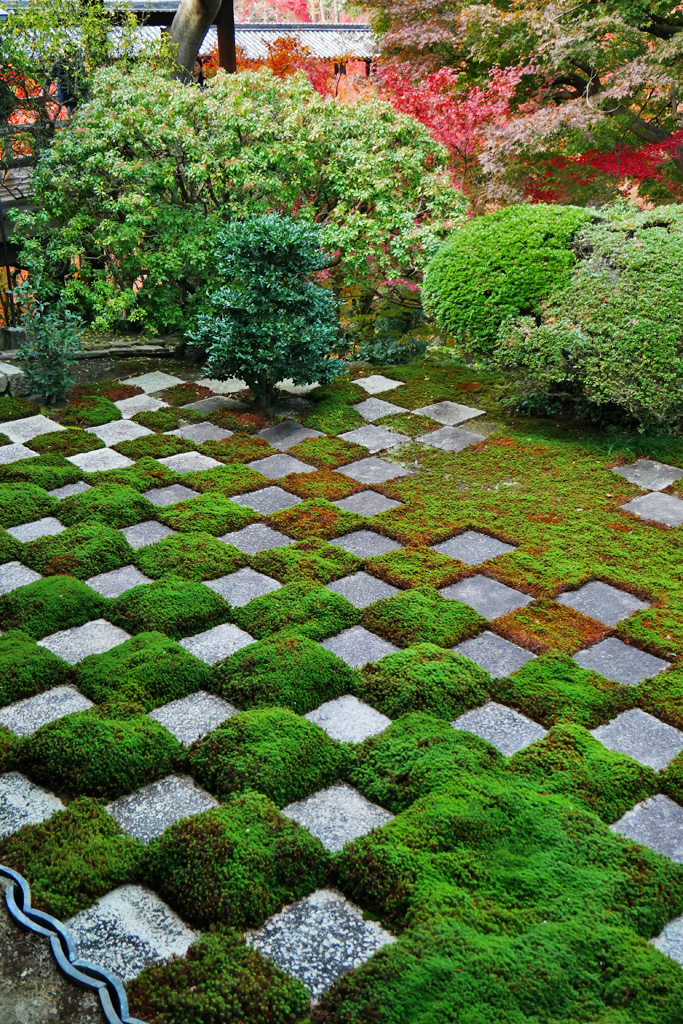
*Images of Tōfuku-ji Temple are provided by https://photo53.com/
Access to Tōfuku-ji Temple
From Kyoto Station
Take JR Nara Line to Tofukuji Station. About 10 minutes walk from the station.
From Gion and Shijo area
Take Keihan Railway bound to Osaka from Gion-Shijo Station to Tofukuji Station. The temple is about 10 minutes walk from the station.
——————–
Address: 15-778 Honmachi, Higashiyama-ku, Kyoto, Kyoto Prefecture
Hours: 8:30 a.m. to 4:00 p.m.
*9:00 am. to 4:00 p.m. in October,
9:00 a.m. to 3:30 p.m. from early December.
*Last entry is 30 minutes before closing.
URL: https://tofukuji.jp/ – Japanese
Kiyomizu-dera Temple
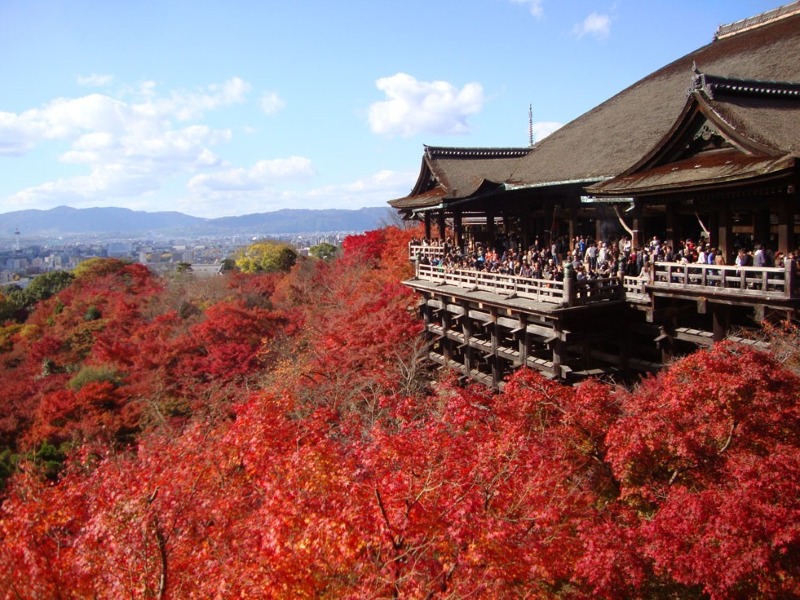
Kiyomizu-dera Temple is one of the most famous temples in Kyoto, with tourists visiting all year round. While it is renowned as a cherry blossom spot, the temple is also considered a prime location for viewing the magnificent autumn foliage.
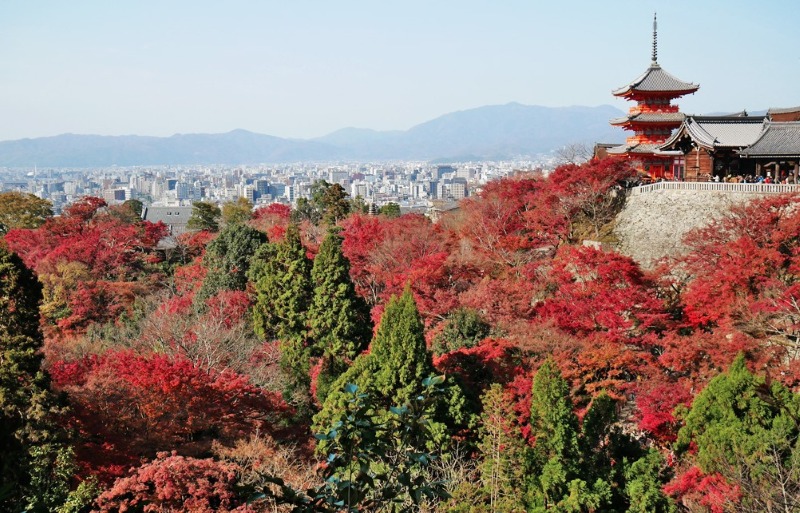
During the autumn foliage season, special nighttime viewings with illuminations are held, allowing visitors to enjoy the foliage in a majestic atmosphere. The temple and autumn foliage are unquestionably beautiful, but expect huge cloud during the peak season from mid November to early December.
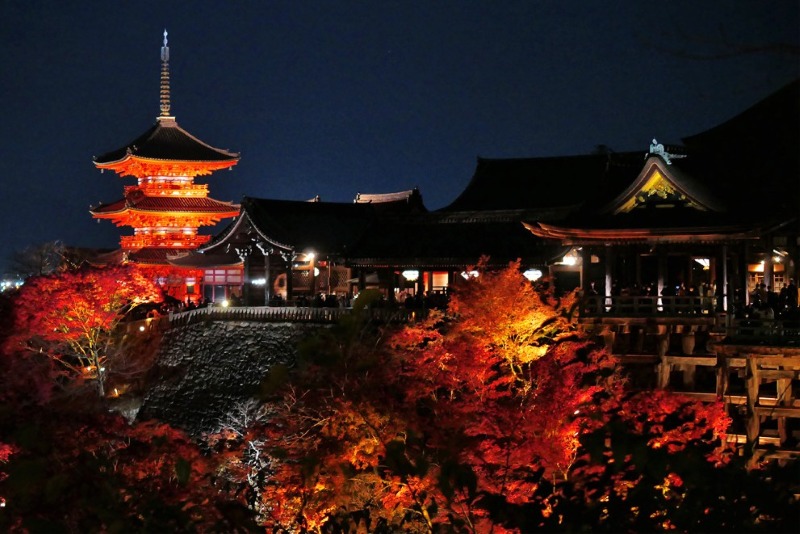
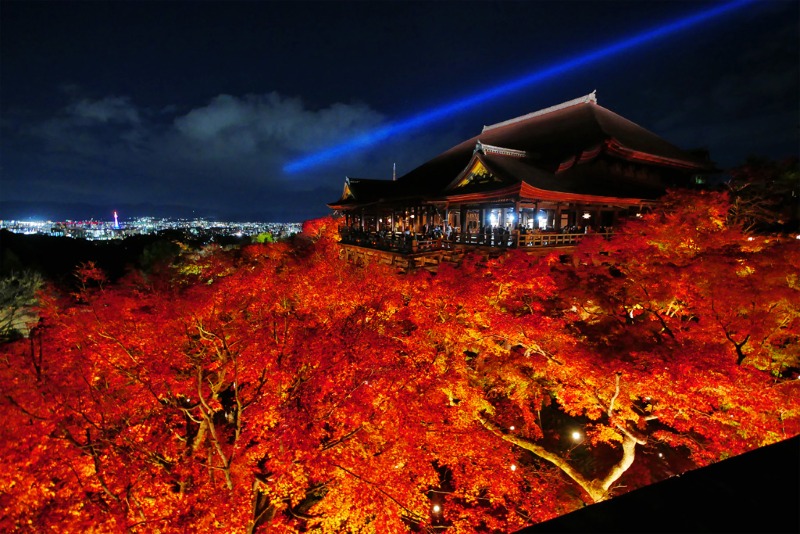
*Images of Kiyomizu-dera Temple are provided by https://photo53.com/
Access to Kiyomizu-dera Temple
Bus from Kyoto Station:
-Departing from D1 bus stop, EX100 and EX101 are quickest but run only on weekend and holidays. Get off at Gojyouzaka (五条坂)
-Departing from D2 bus stop, take 86, 106, 206. These buses run daily. Get off at Gojyouzaka (五条坂), or Kiyomizu-michi(清水道).
ADDRESS:
1-294, Kiyomizu, Higashiyama-ku, Kyoto-shi, Kyoto, 605-0862, Japan
Special Night Viewing: Nov.22 — Dec.7, 2025.
Open until 9:30 PM (9:00 PM last entry)
Special Viewing of the Jojuin Garden
9:00 AM — 4:00 PM (last entry)
6:00 PM — 8:30 PM (last entry)
URL: https://www.kiyomizudera.or.jp/en/
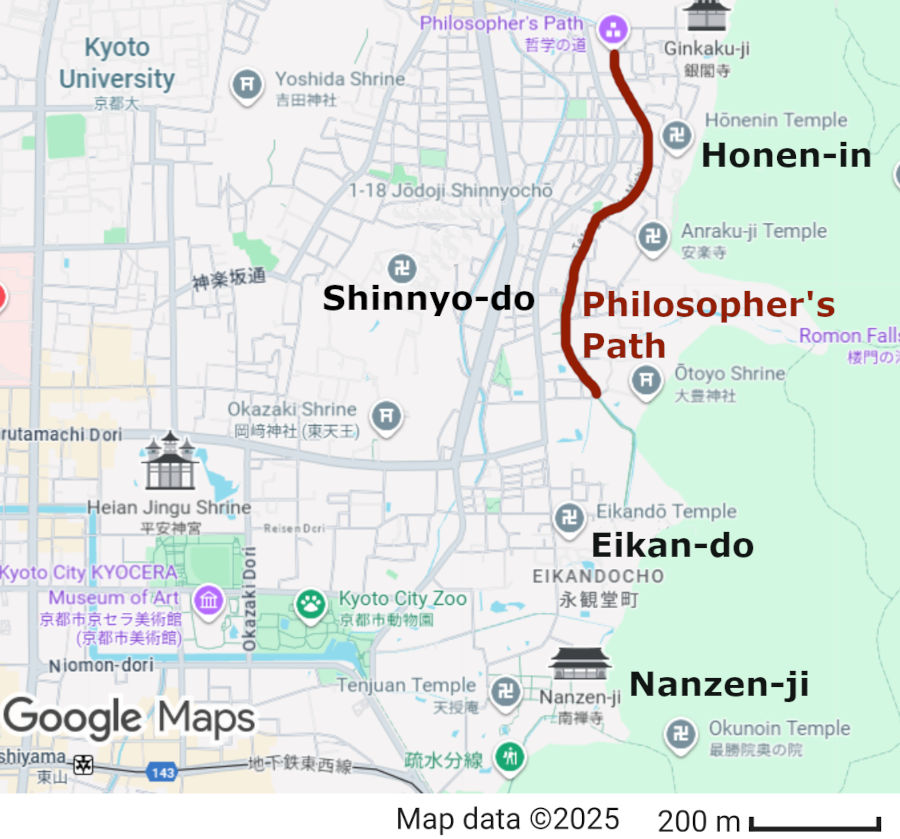
Philosopher’s Path Area
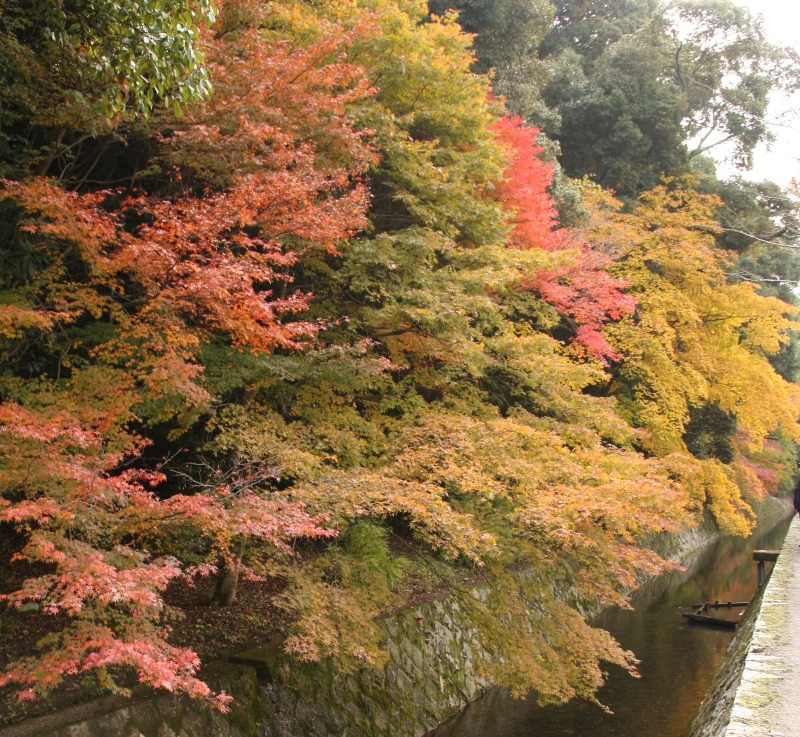
Nanzen-ji Temple, Eikan-do Temple, Honen-In Temple and Shinnyo-Do Temple are located around the Philosopher’s Path and within walking distance of each other. It is a good idea to visit all or some of these tourist attractions.
Philosopher’s Path
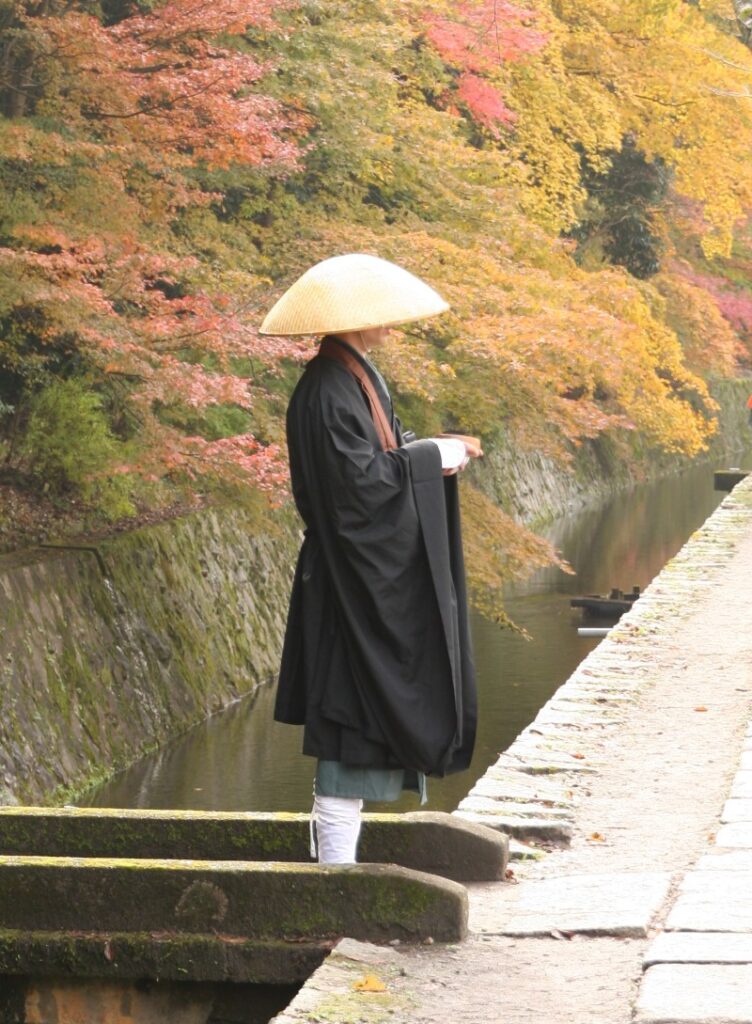
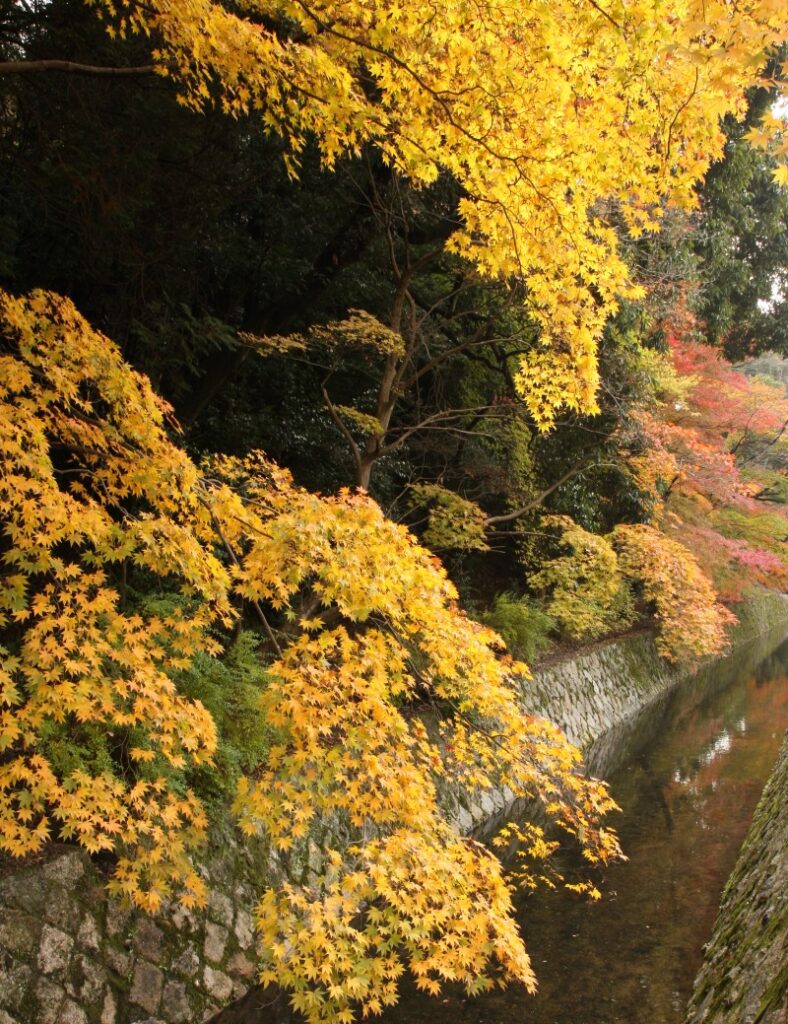
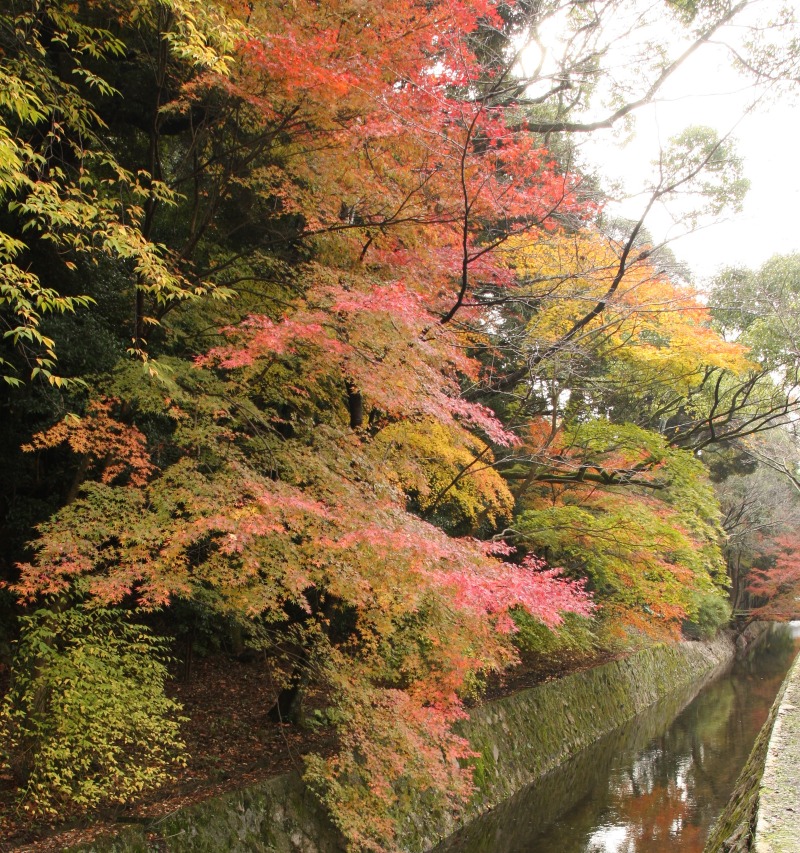
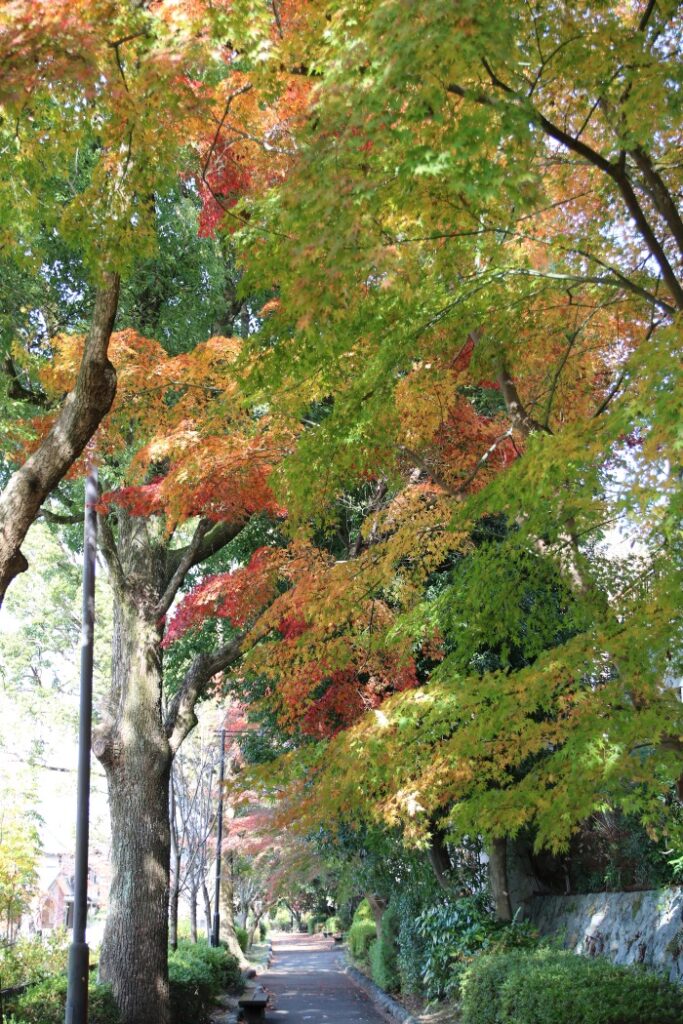
The Philosopher’s Path is famous for its cherry blossoms in spring. However, there are many maple trees on the east side of the path. The maple trees over the Lake Biwa Canal are stunningly beautiful.
Nanzen-ji Temple
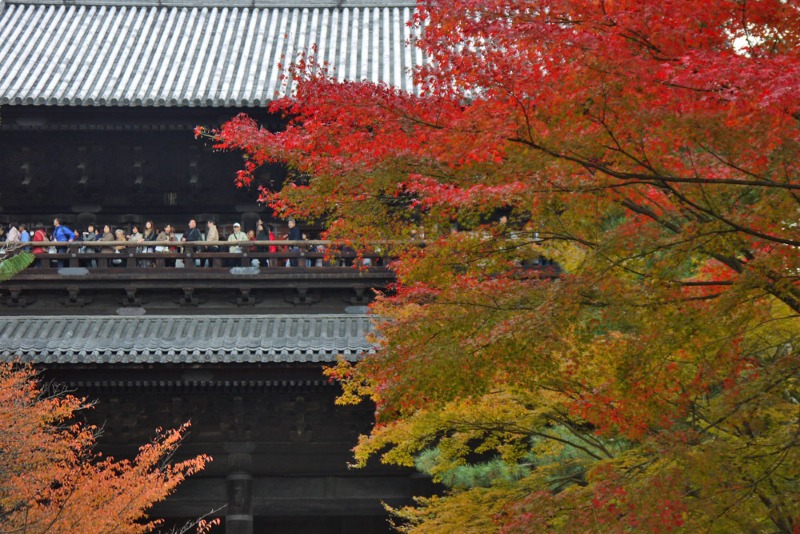
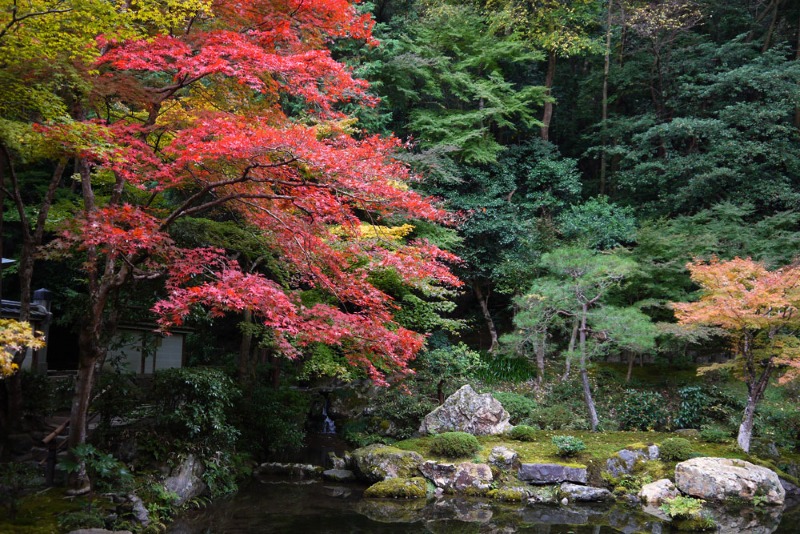
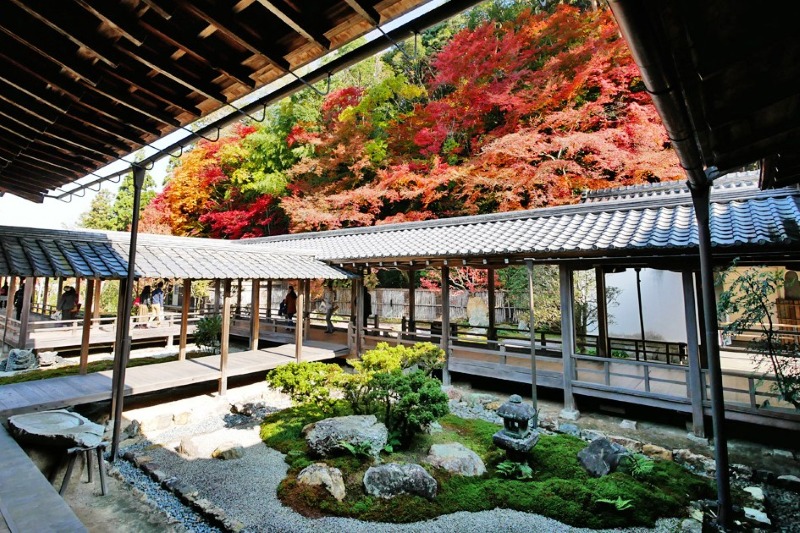
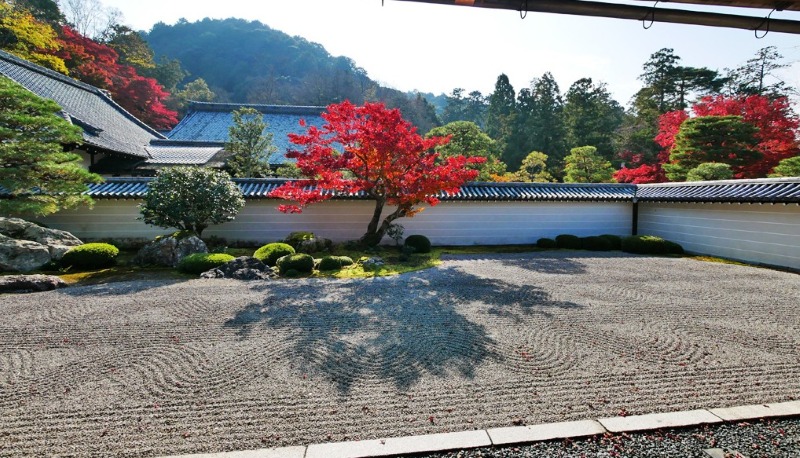
Nanzen-ji Temple is the head temple of the Rinzai School’s Nanzen-ji sect. The vibrant foliage beautifully complements the majestic Sanmon Gate, considered one of the greatest temple gates in Japan. The upper floor offers panoramic views of the city and the temple grounds. Designed by the renowned landscape architect Kobori Enshu, the Hojo Garden is also breathtakingly beautiful. The peak viewing period for the autumn leaves is typically from mid-November to early December.
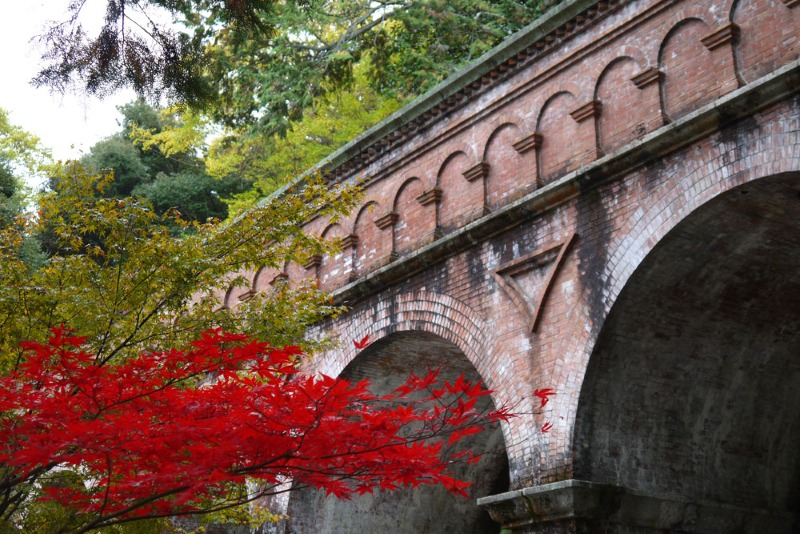
Suirokaku Aqueduct
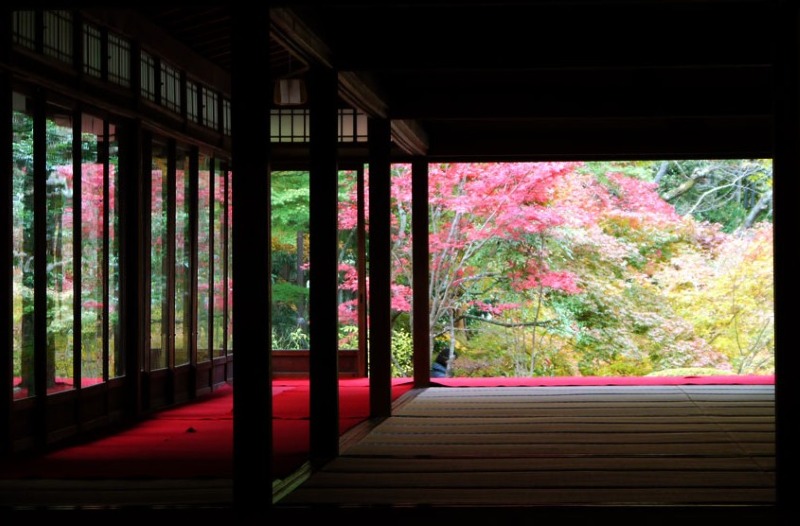
This is the waterway bridge of the Lake Biwa Canal within the Nanzen-ji Temple grounds. It was built in 1888 and designed to complement the landscape of the temple grounds. The bridge features brick and granite arch piers.
*Images of Nanzen-ji Temple are provided by https://photo53.com/
Access to Nanzen-ji Temple
From Kyoto Station
By Subway
Take the Karasuma Line northbound to Karasuma Oike Station (K08), then transfer to the Tozai (east-west) Line eastbound to Keage Station. The temple is about a 10-minute walk away.
By Bus
Take Bus No. 5 from A1 terminal to Nanzenj/Eikando-Michi (南禅寺・永観堂道). It’s about a 10-minute walk from the bus stop.
ADDRESS:
Nanzenji Fukuchicho, Sakyo Ward, Kyoto-shi, Kyoto, Japan 606-8435
URL: https://www.nanzenji.or.jp/ Japanese
Eikan-do Temple
Eikando (Zenrinji Temple) is renowned for its autumn foliage and is famously known as the “Eikando of the Maple Trees.” Its expansive grounds are home to around 3,000 maple trees that vividly color the pond garden during the peak viewing period, which is from mid to late November.


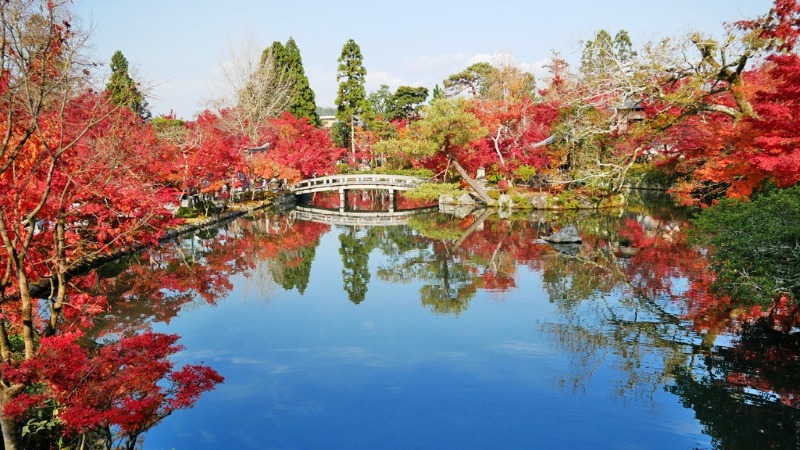

*Images of Eikan-do Temple are provided by https://photo53.com/
Access to Eikan-do Temple
From Kyoto Station By Bus
Take Bus No. 5 from A1 terminal to Nanzenj/Eikando-Michi (南禅寺・永観堂道). It’s about a 10-minute walk from the bus stop.
Address: 48 Eikandocho, Sakyo Ward, Kyoto, Japan 606-8445
Autumn Exhibition 2025
Day Viewing
Nov. 11 (Tue)~Dec. 10 (Wed)
9:00 AM – 4:00 PM (Gates are closed at 5:00 PM)
Night Viewing 2025
Nov. 15 (Sat)~Dec. 10 (Wed)
5:30 PM – 8:30 PM (Gates are closed at 9:00 PM)
URL: https://www.eikando.or.jp/English/index_eng.html
Honen-In Temple
This temple is located on the east (Mountain) side of the Philosopher’s Path, away from the bustle of the city, and it is named after a well-known Buddhist monk named Honen.
History
Honen practiced Buddhist training with his disciples, Anraku and Jūren. In December of 1206, while Emperor Gotoba was traveling, two court ladies, Matsumushi (meaning pine cricket) and Suzumushi (bell cricket), who admired Anraku and Jūren, took vows of ordination. The emperor was angered by this, leading to Honen’s exile to Sanuki Province (Kagawa Prefecture) and the death sentence for Anraku and Jūren. Rumor had it that the ladies had affairs with the monks. The area subsequently fell into ruin for a long time. In 1680, during the early Edo period, the Honen-in temple was built on the sacred ground associated with Honen.
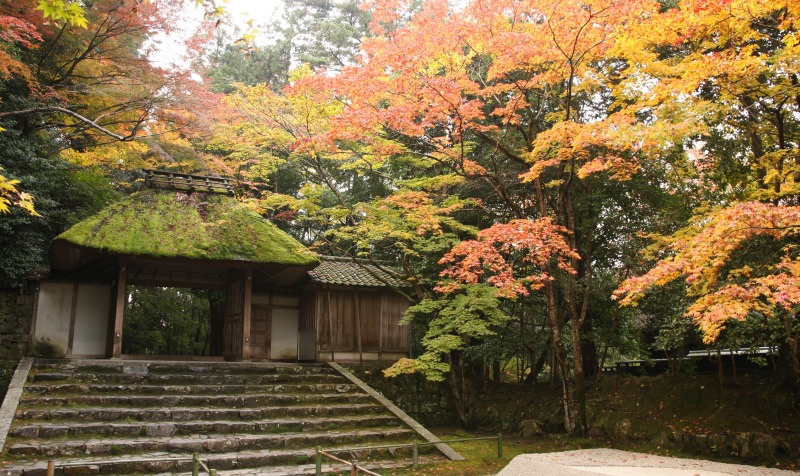
The thatched-roof, sukiya-style Sanmon gate is the symbol of this temple. In autumn, the vibrant autumn leaves surrounding the gate welcome visitors.
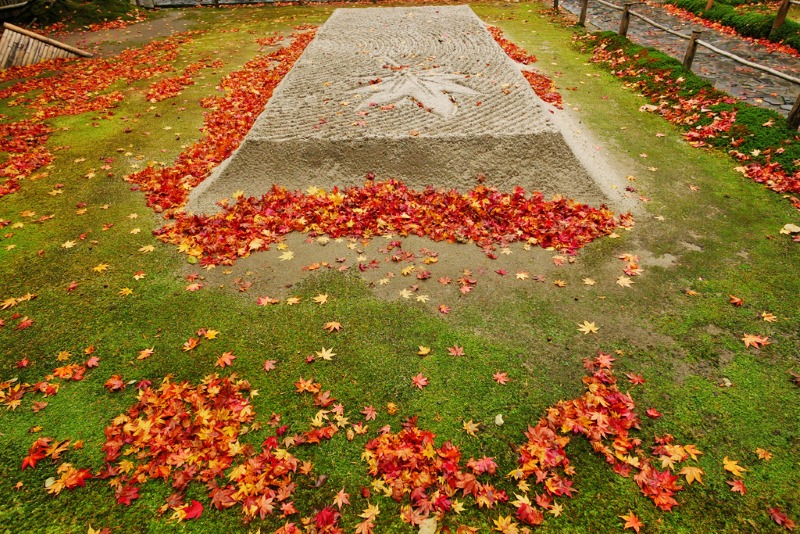
Byakusadan: Terrace of White sand.
Upon entering the Sanmon gate, white mounds of sand line both sides. Passing through the sand altar representing water signifies purifying body and mind to enter the sacred precinct.
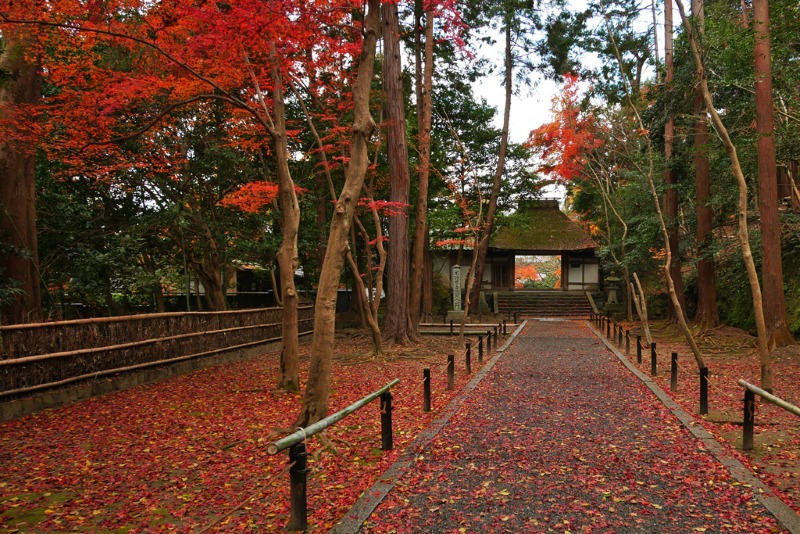
What I like about this place is that you can enter the outside garden for free. Many years ago, few people visited the temple. I used to come here, walk around the garden, sit on the porch, and think nothing for a while. Nowadays, the place is busy with tourists and is no longer a place to enjoy tranquility. The gate is open 6 AM. Maybe you can enjoy quietness early in the morning.
Access to Honen-in Temple
From Hankyu Shijo-Kawaramachi Station
Take City Bus Route 32 bound for Ginkakuji-mae. Get off at Minamidachō.
Walk 5 minutes toward the mountain.
From JR Kyoto Station / Keihan Sanjō Station
Take City Bus Route 5 bound for Iwakura. Get off at Jōdoji.
Walk 10 minutes toward the mountain.
From Keihan Demachiyanagi Station
Take City Bus Route 17 bound for Kinrin Garage. Get off at Jōdoji.
Cross the canal and walk 10 minutes toward the mountain.
Open from 6 am to 4 pm. General entrance is free, except special viewing of Garan from Nov 18 to 24.
URL: http://www.honen-in.jp/ Japanese
Shinnyo-Do Temple
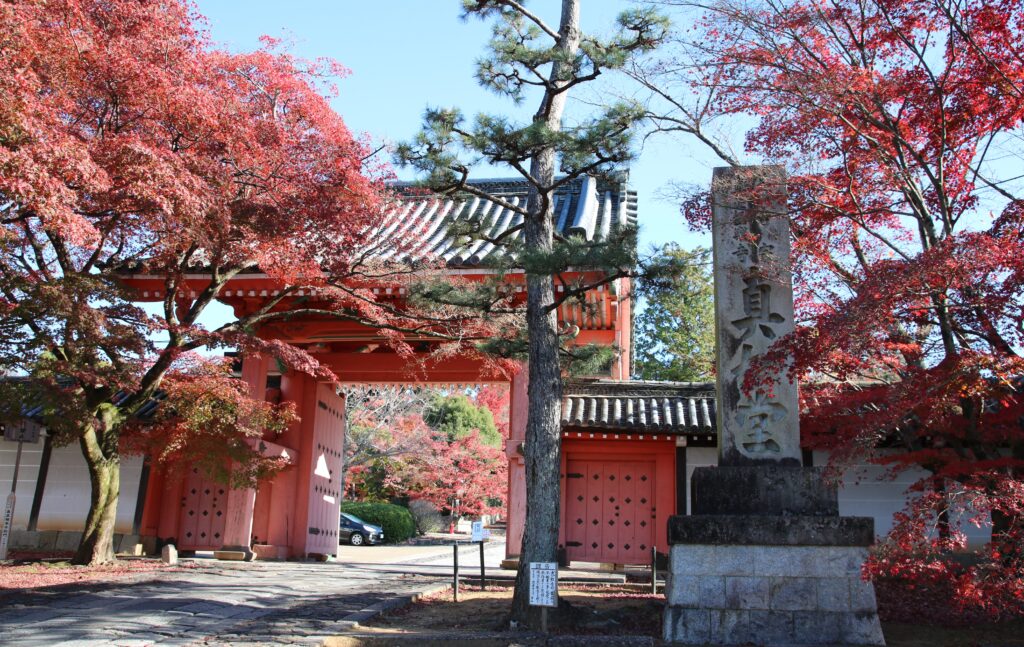
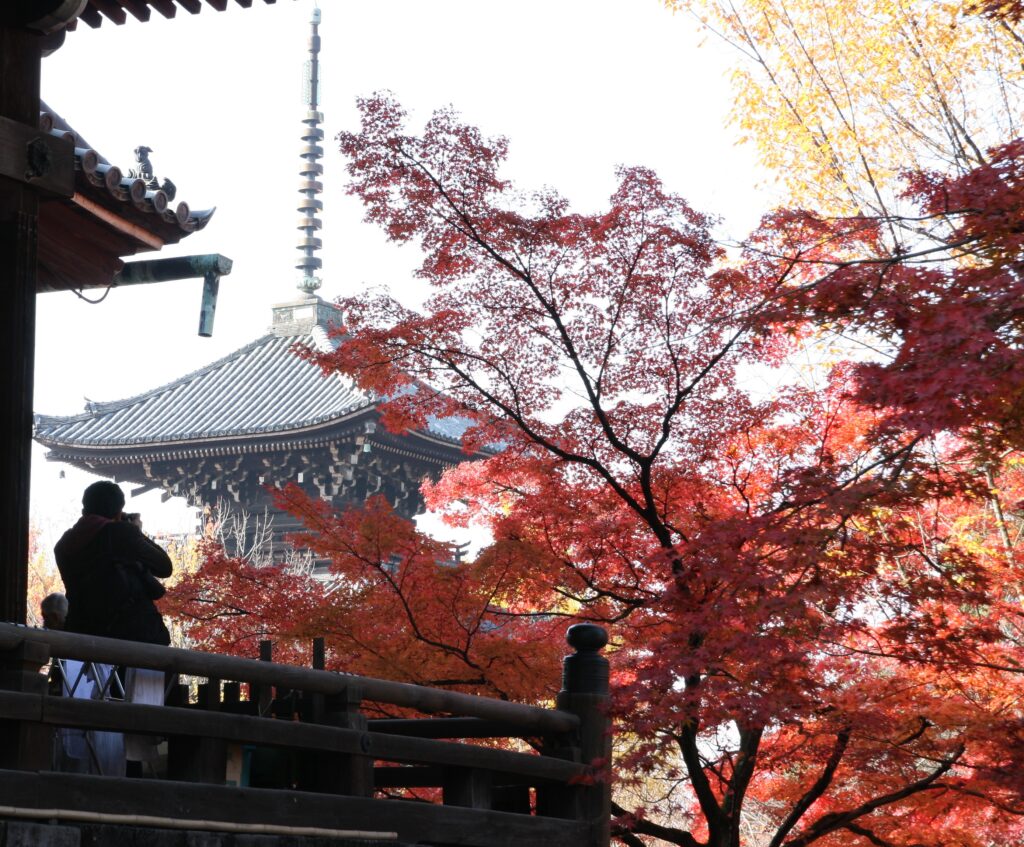
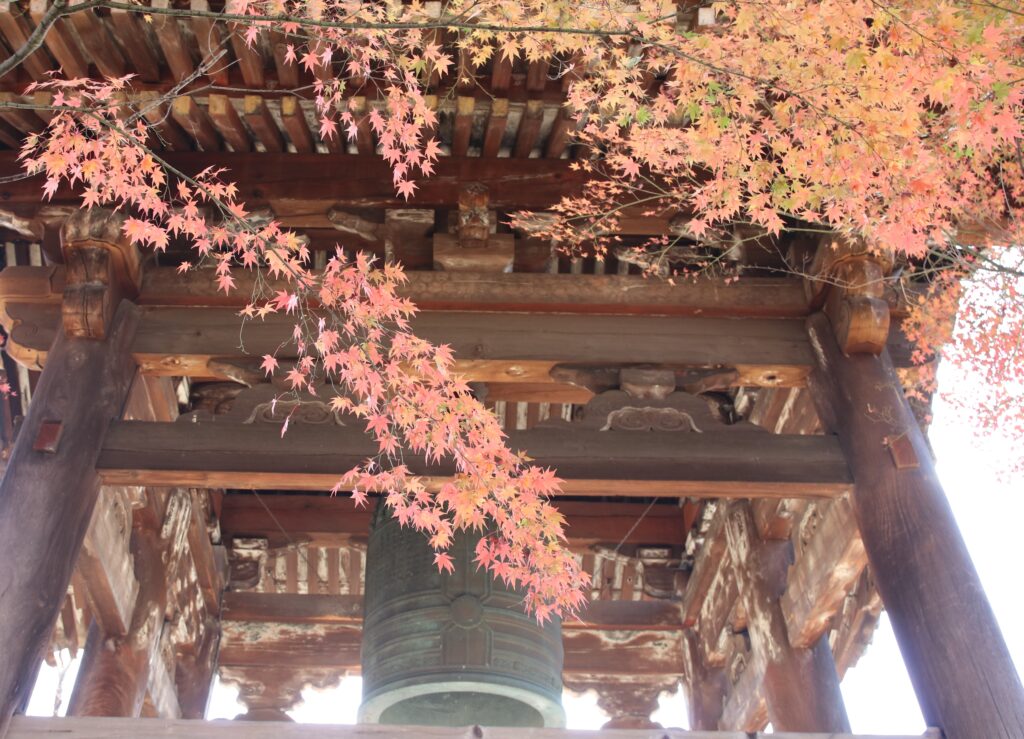
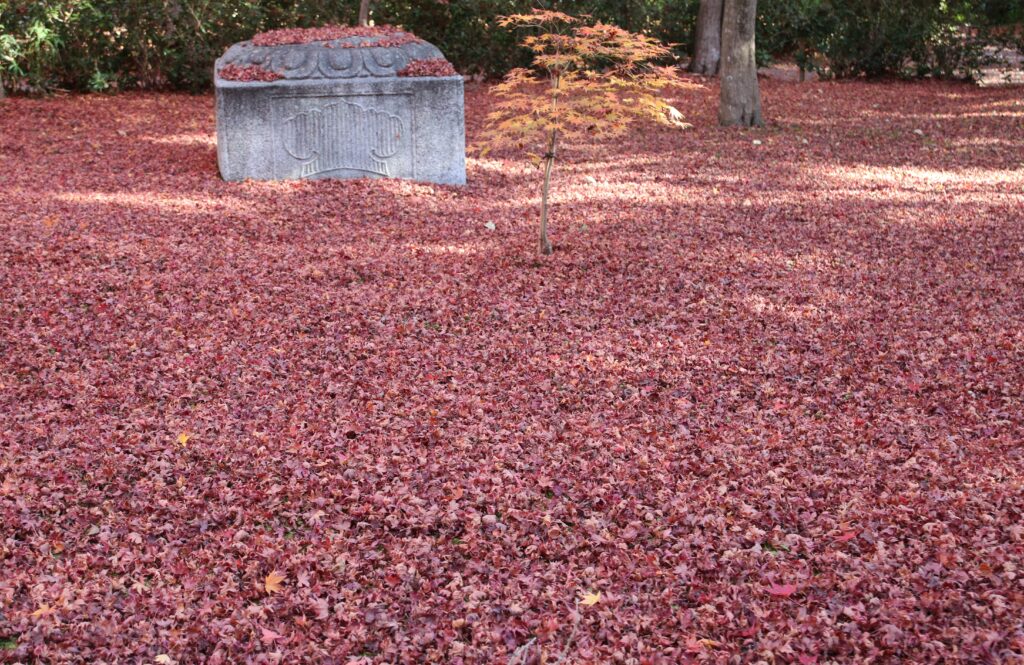
The Shinnyo-Do Temple is about a 10-minute walk from the Philosopher’s Path. It was originally established in 984, but most of the structures were rebuilt between the 17th and 19th centuries. The temple’s main features include the Soumon Gate, the three-story pagoda, and the Main Hall. The temple also has many Buddha statues and works of art.
Access to Shinnyo-do Temple
From JR Kyoto Station / Keihan Sanjō Station
Take City Bus Route 5 bound for Iwakura. Get off at Kinrinsyakomae (錦林車庫前).
Walk 8 minutes southward.
From Hankyu Shijo-Kawaramachi Station
From Keihan Demachiyanagi Station
Take City Bus Route 17 bound for Kinrinsyako. Get off at Kinrinsyakomae (錦林車庫前).
Walk 8 minutes southward.
I will add more contents as I visit more places that are interesting.