Fukui Prefecture is located north of Kyoto, facing the Sea of Japan. The Dinosaur Museum and Eihei-ji Temple are two of its most famous attractions. The area also offers beautiful natural scenery, hot spring resorts and delicious cuisine. The Hokuriku Shinkansen was extended to Fukui Prefecture in 2024, and it now takes approximately three hours to travel from Tokyo to Fukui, and between one hour and 16 minutes and two hours to travel from Kyoto to Fukui, depending on the connection.
Fukui Prefectural Dinosaur Museum
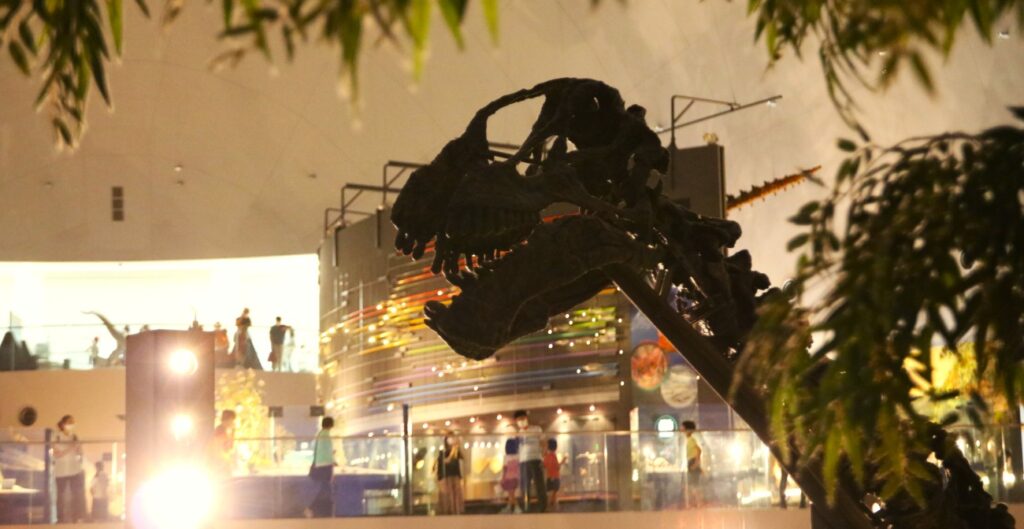
I really enjoyed visiting the Fukui Prefectural Dinosaur Museum. It is a geological and paleontological museum centered on dinosaurs and located in Katsuyama City, where a large number of dinosaur fossils have been excavated.
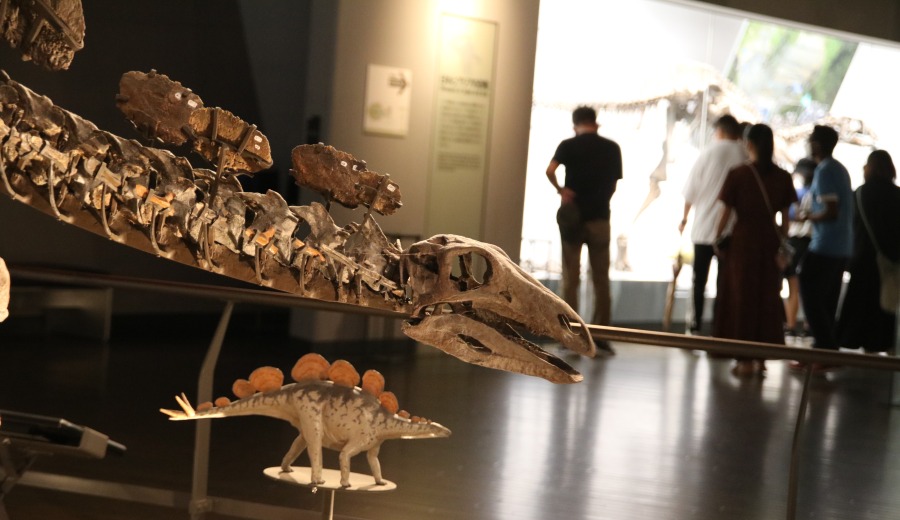
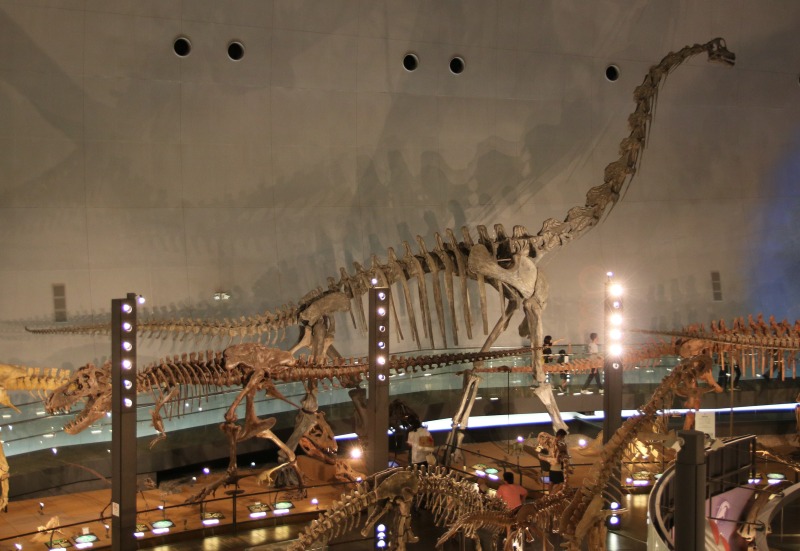
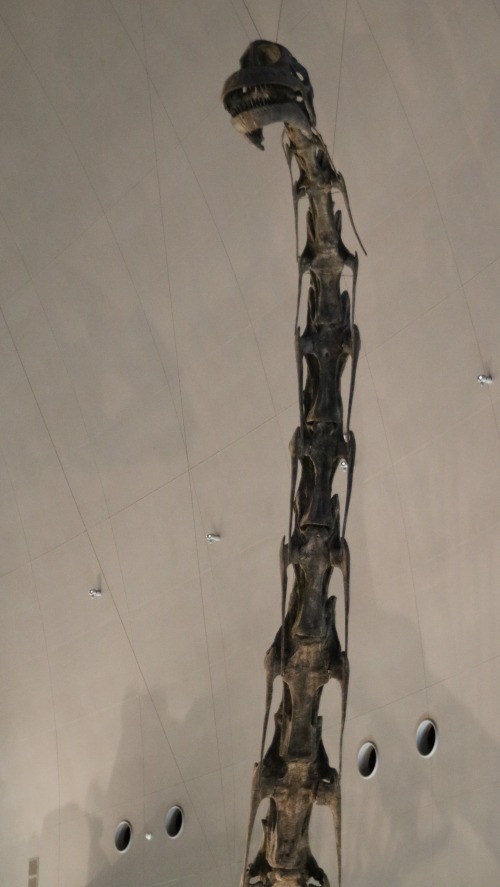
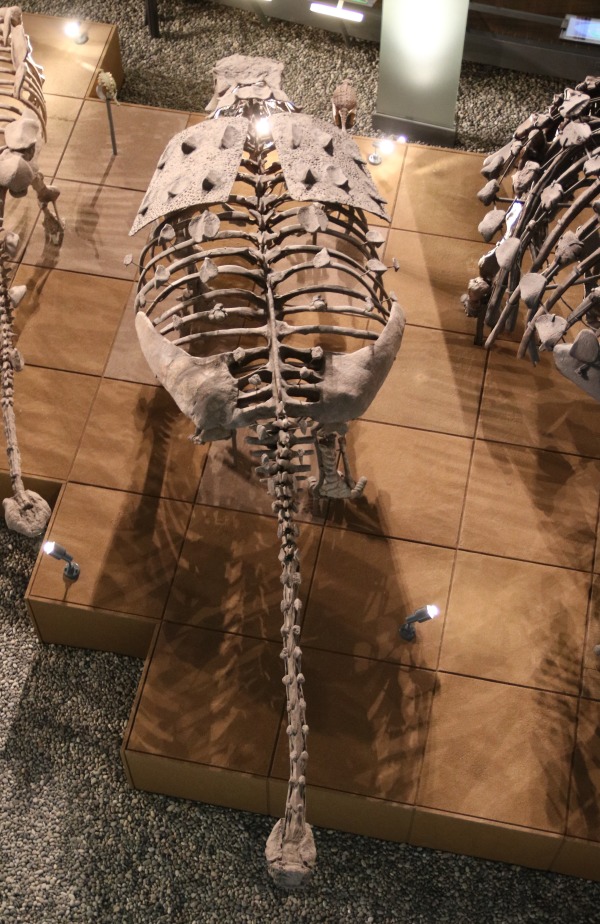
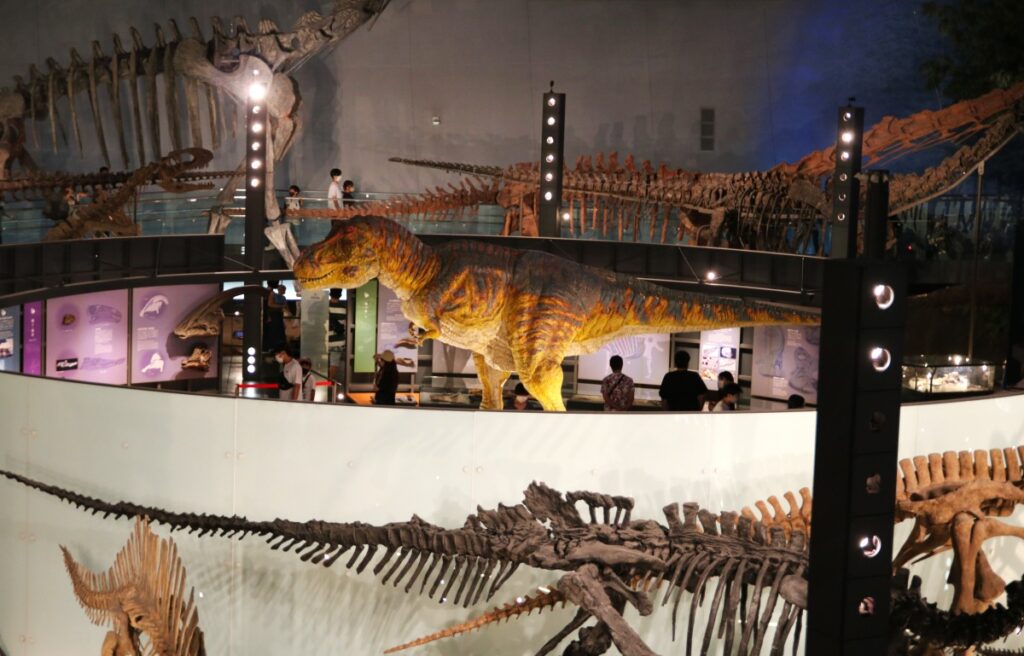
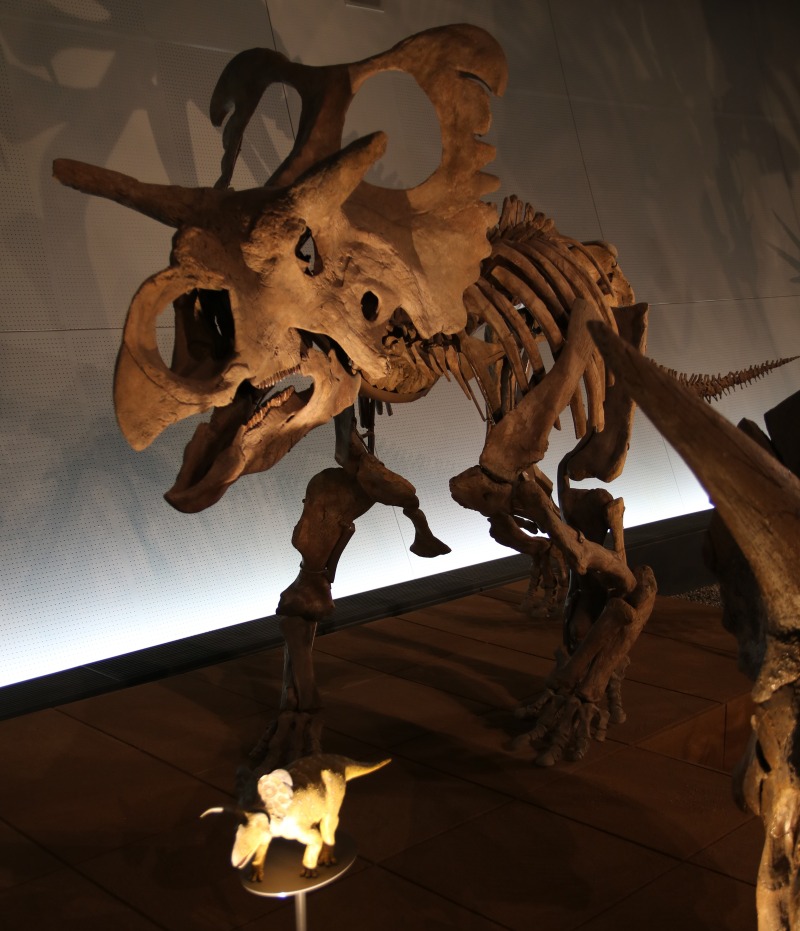
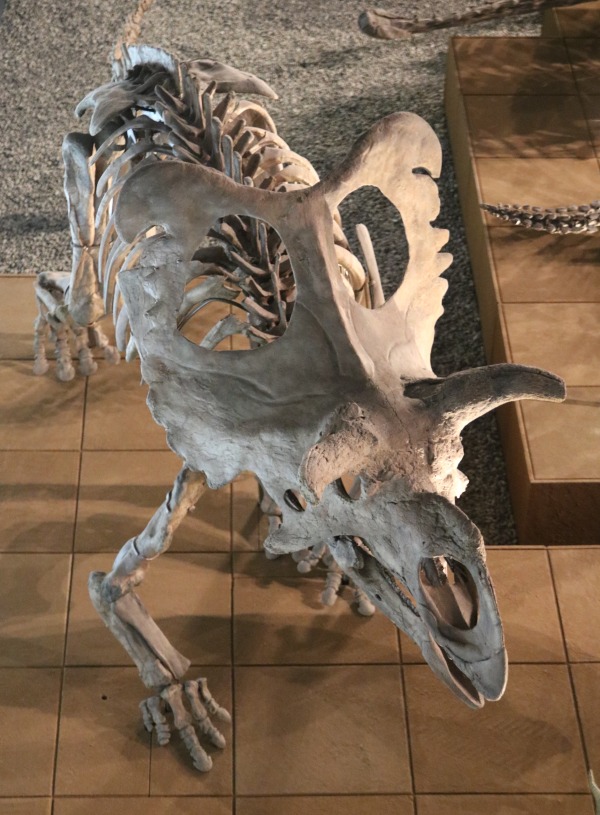
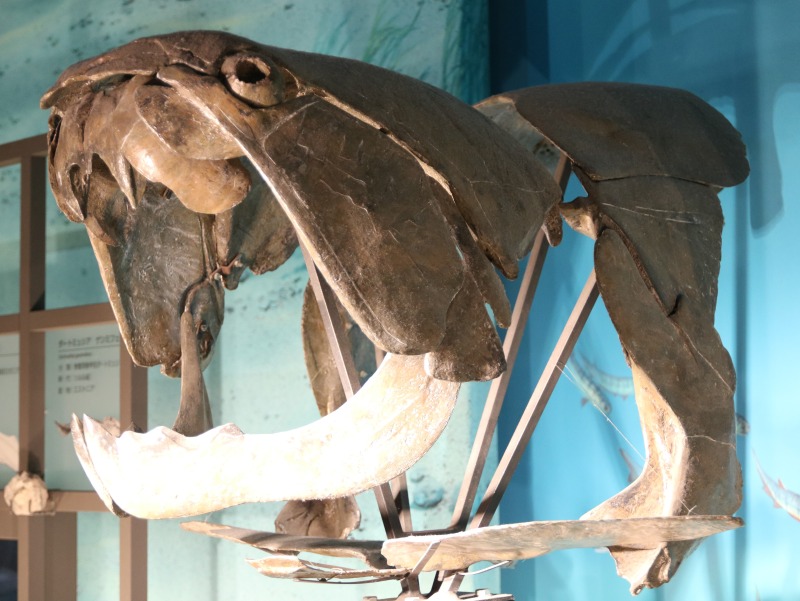
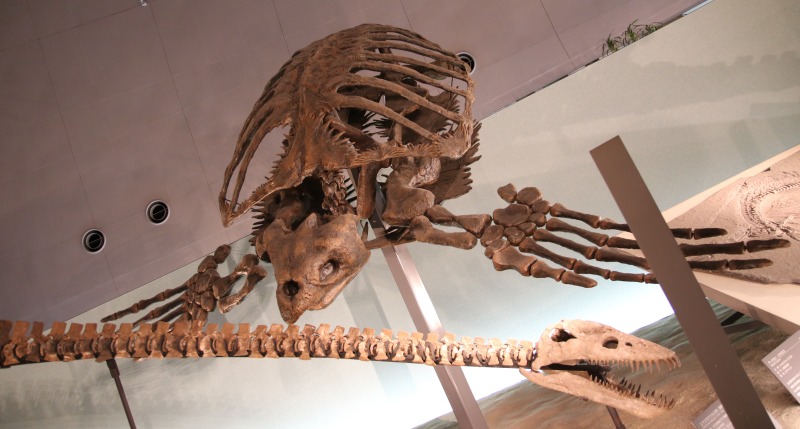
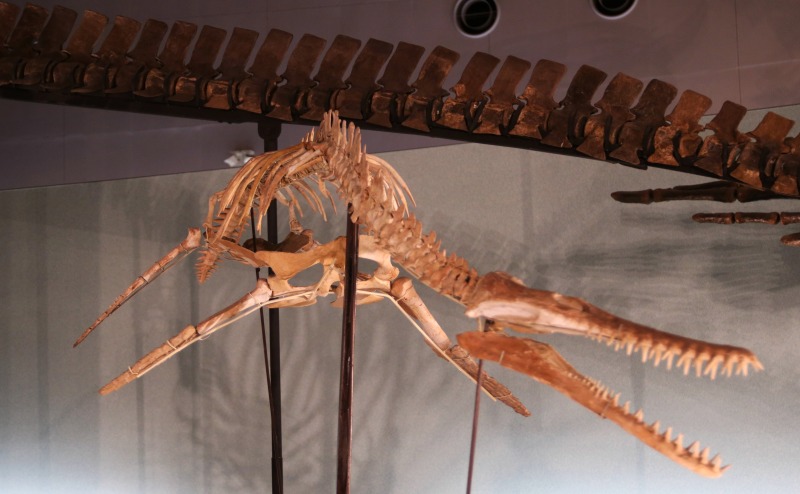
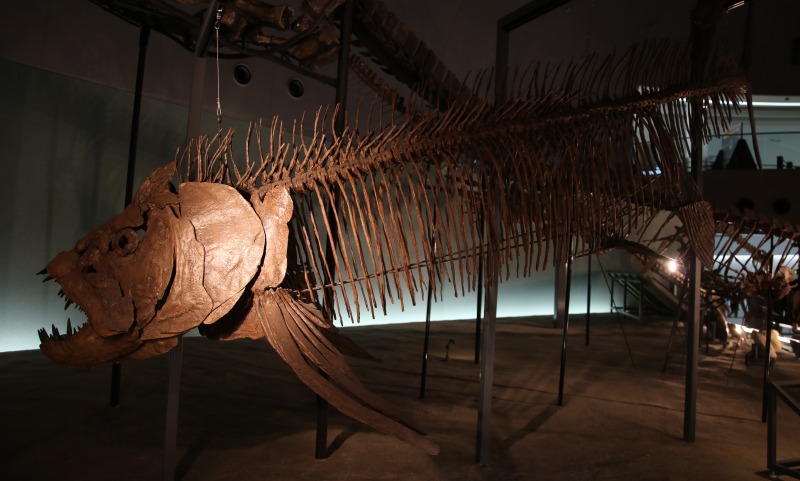
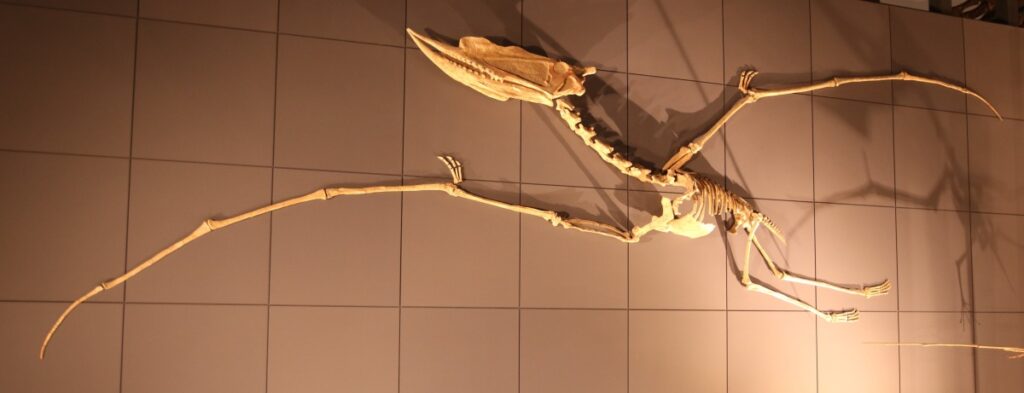
Unfortunately, it was raining heavily when I visited the museum, so I was unable to walk around outside. However, there are other attractions, such as the Katsuyama Dinosaur Forest Park, where you can experience fossil excavation. By the way, Fukui and other areas facing the Sea of Japan experience heavy snowfall in winter, so I would advise against visiting these places during the cold season unless you intend to participate in winter sports.
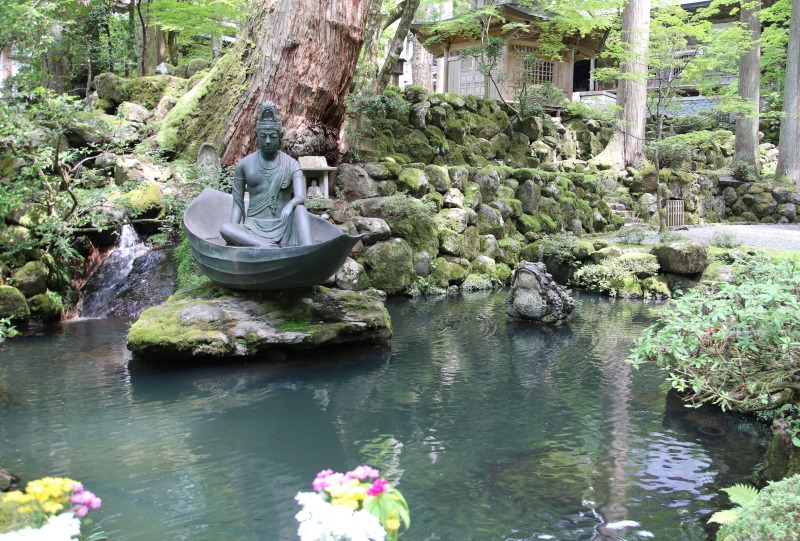
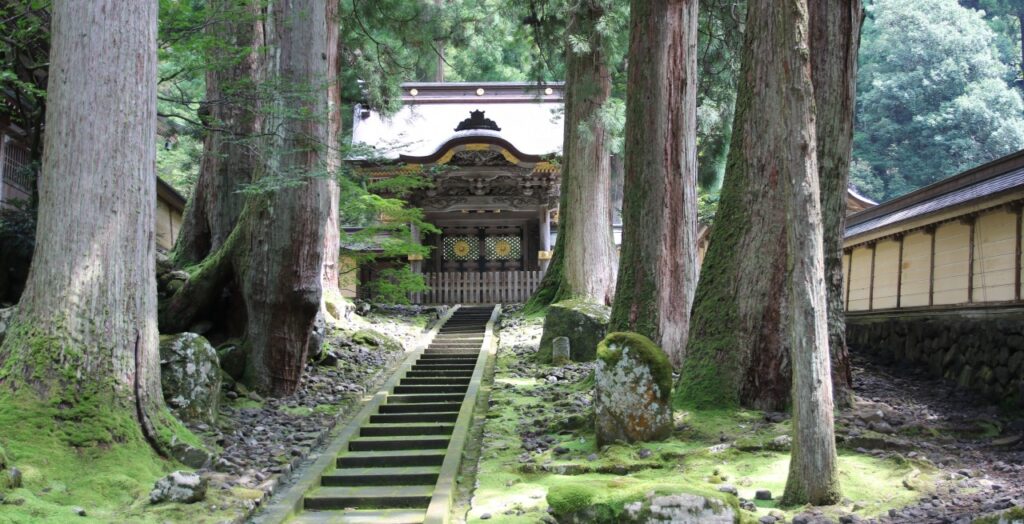
Eihei-ji Temple
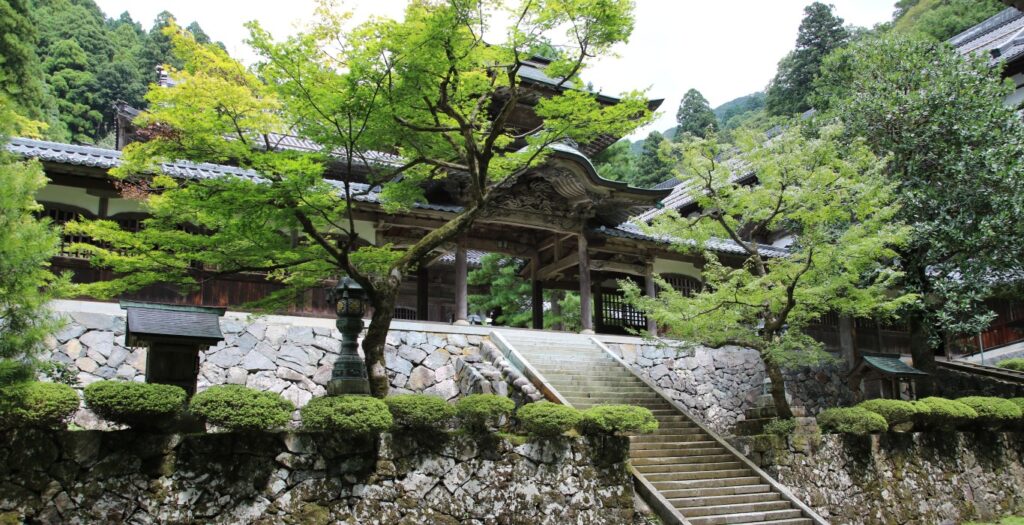
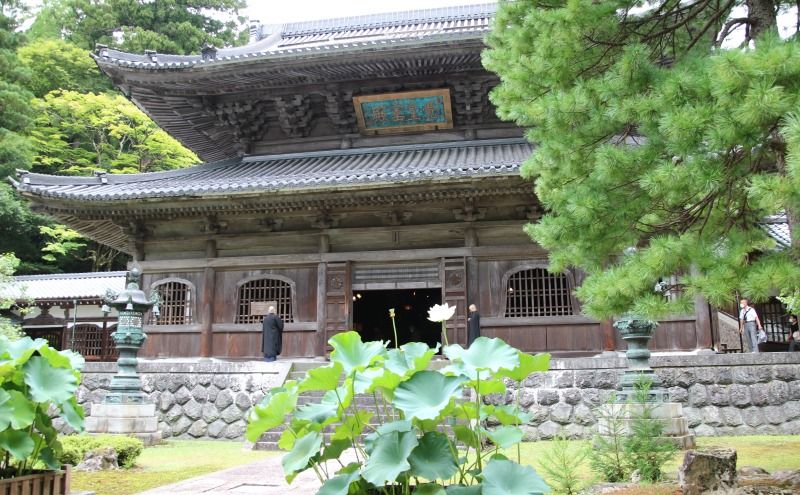
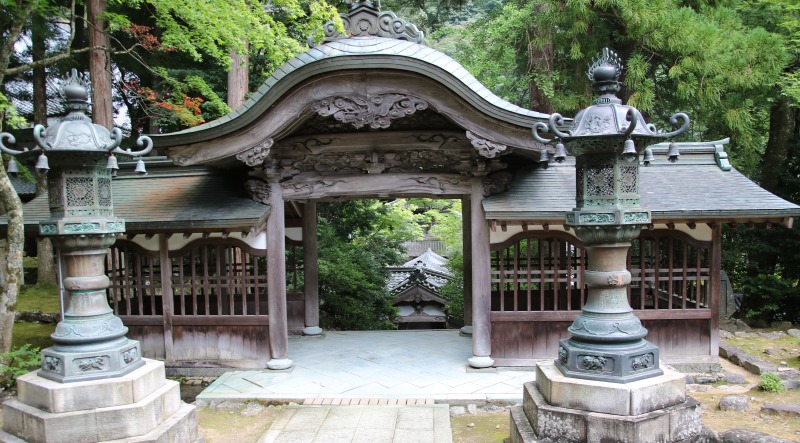
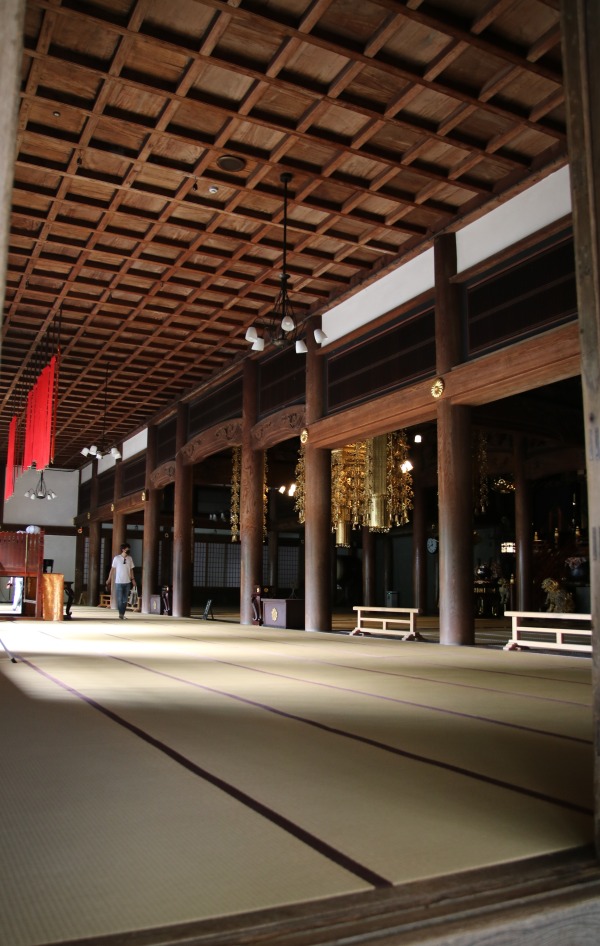
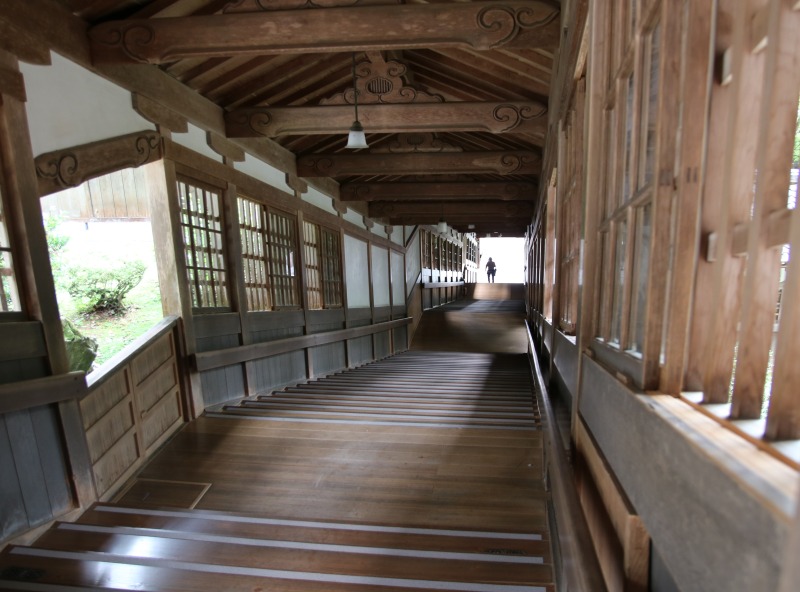
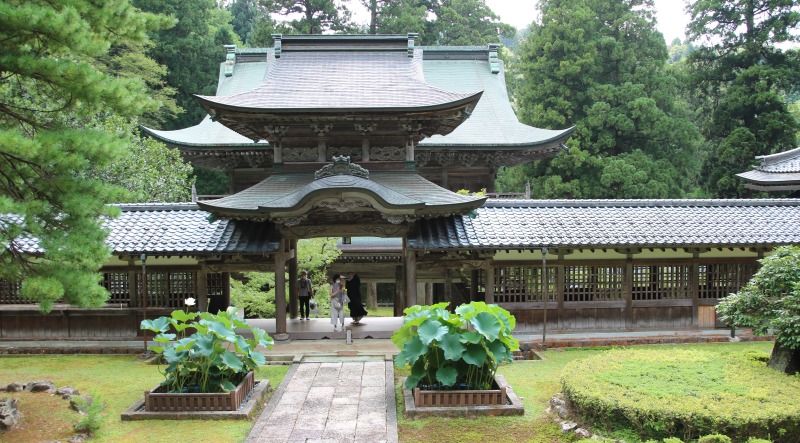
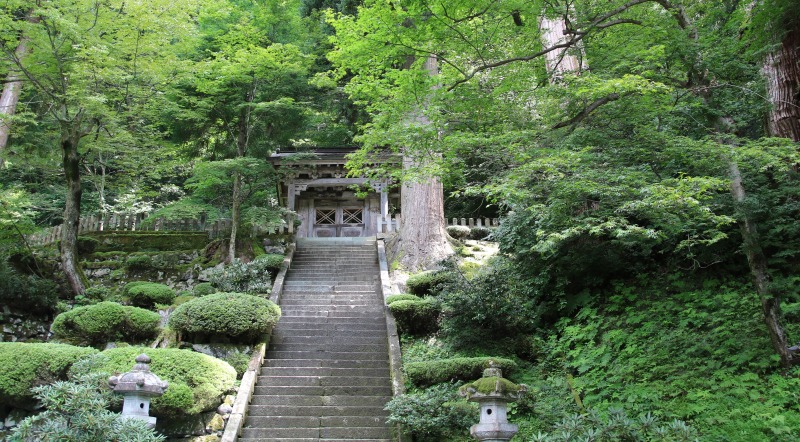
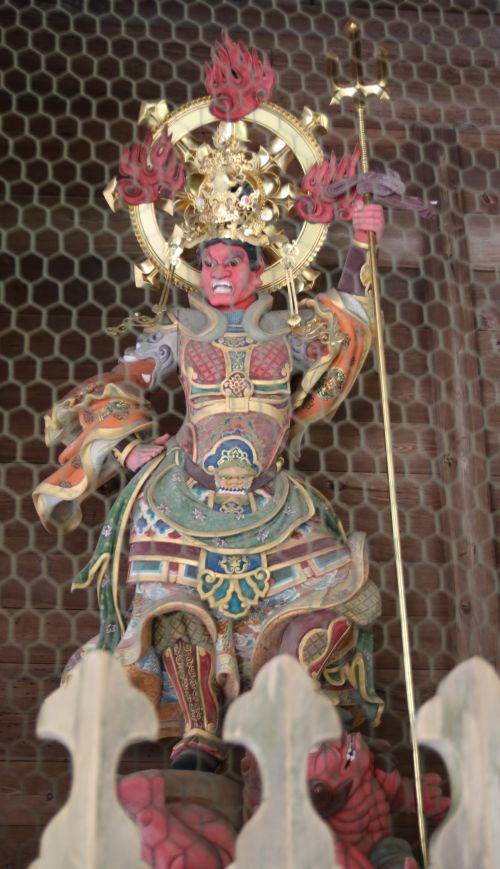
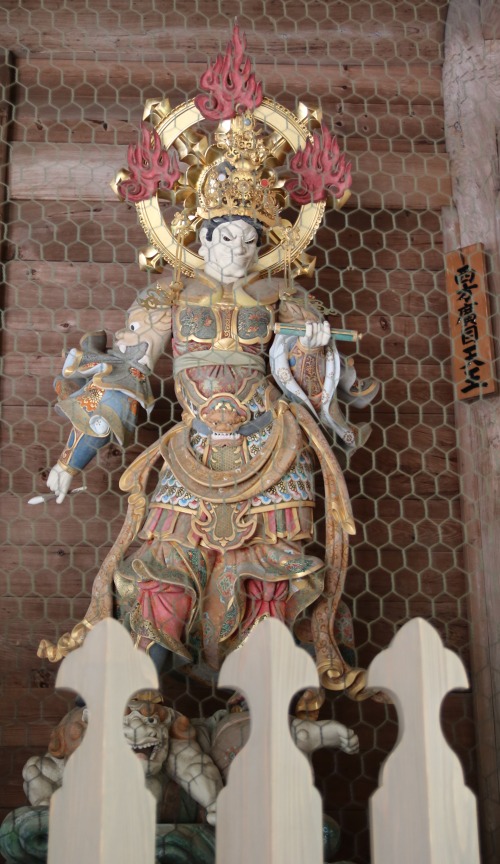
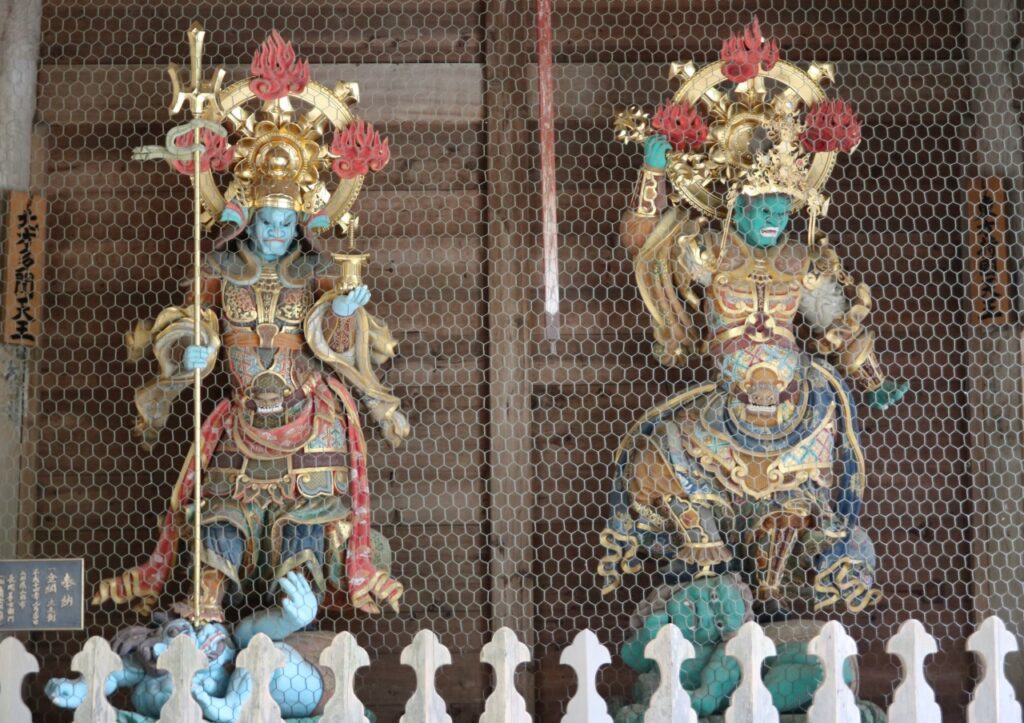
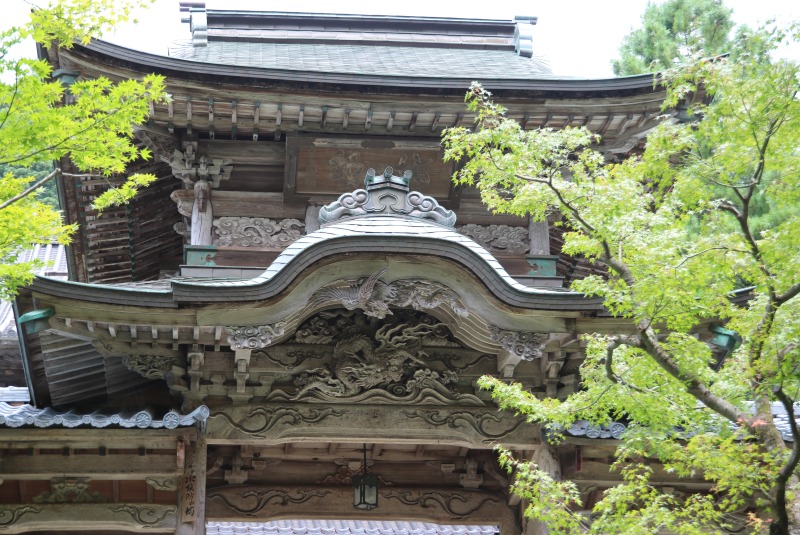
Unlike many other temples, Eihei-ji Temple is a place for religious training, where many Buddhists train hard every day. It is considered to offer the most rigorous training. You can participate in a Zen practice called Zazen, which is seated meditation and a fundamental practice in Buddhism, particularly in the Zen school. This involves aligning your posture, regulating your breathing and calming your mind while sitting quietly to face yourself, stabilize your mind and aim to achieve enlightenment. You can either walk in to participate in Zazen without a reservation, or you can make a reservation to experience the two-day course. For more information, please visit the official Eihei-ji Website.
Fukui is famous for its soba noodles. Kenzo Soba is a well-known Soba noodle restaurant near Eihei-ji Temple. Adding grated daikon radish and dried bonito flakes is a popular way to eat soba noodles in Fukui. I had that soba noodles and it was delicious!
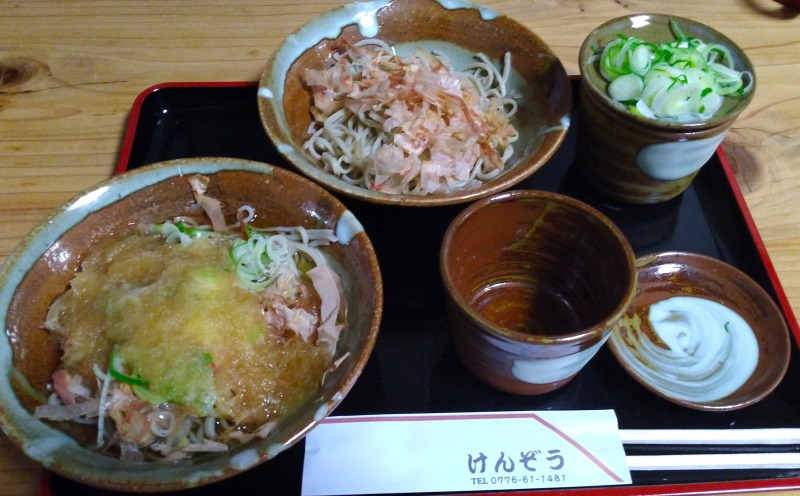
Kenzo Soba Address: 3 Chome-26-26 Matsuokakasuga, Eiheiji, Yoshida District, Fukui 910-1133
Tojinbo and Oshima
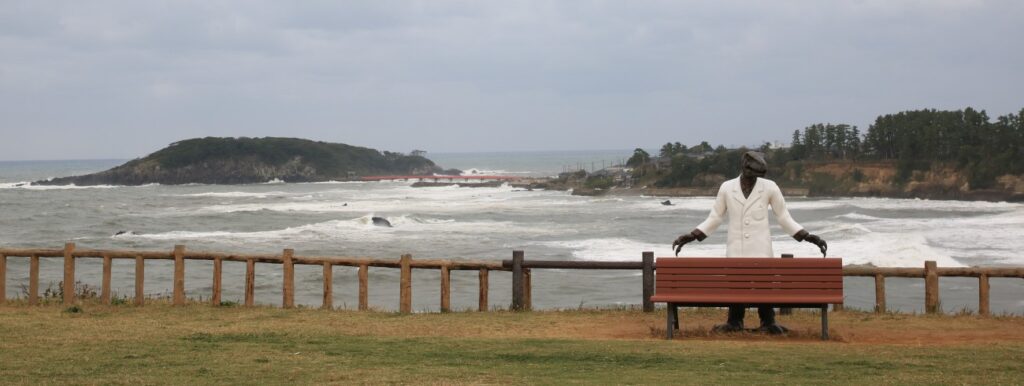
Tojinbo is located in the north-western part of Fukui Prefecture, near the famous hot spring town of Awara. The unique landscape of Tojinbo was formed by a rare geological phenomenon known as columnar jointing. This refers to the column-shaped cracks that form when lava or magma cools and solidifies. When magma rises close to the surface, it cools and shrinks in volume, creating pentagonal or hexagonal, column-shaped cracks. Tōjinbō’s columnar jointing originated from lava that erupted approximately 13 million years ago and solidified underground. Over time, tectonic movements and the rough waves of the Sea of Japan shaped it into its current form. This columnar jointing, stretching over one kilometer, is found in only three places: Mount Kumgang on the Korean Peninsula; the west coast of Norway on the Scandinavian Peninsula; and here at Tōjinbō. The site is of extreme geological value. You can enjoy views of the Tojinbo area from the sea by taking a sightseeing boat trip. There are no sightseeing boat trips available from late December to January. The Sea of Japan can be very rough in the winter months, so sightseeing boat tours are more likely to be cancelled due to adverse weather conditions.
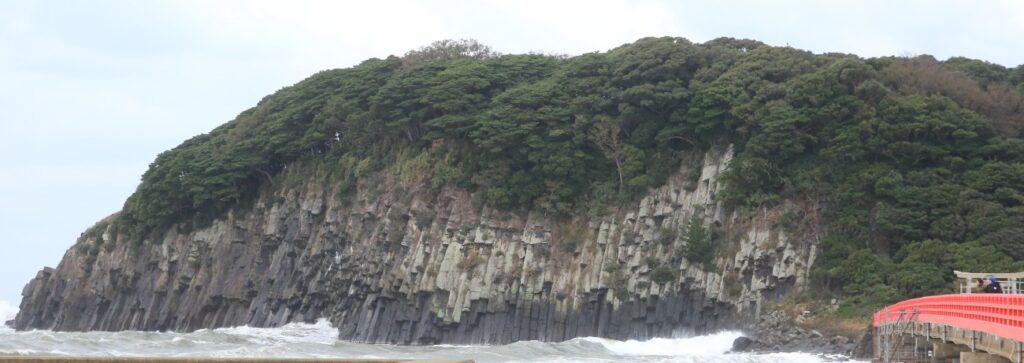
The weather was pretty bad when I visited Tojinbo, so there were no boat trips and I wasn’t able to take many pictures.
Onsen
Awara Onsen is located in the northern part of Fukui Prefecture, near Tojinbo. Awara Onsen boasts 74 distinct hot spring sources, each inn offering slightly different spring qualities and therapeutic benefits. I went to Awara Onsen decades ago. I remember that I really enjoyed onsen there. Recently I went to Yamanaka Onsen in Ishikawa Prefecture not so far away from Awara Onsen. Yamanaka literally means ‘in the mountains’, and it is indeed located in a beautiful mountainous area. If you’re planning a trip to northern Fukui and would like to experience an onsen, Awara and Yamanaka are both excellent choices. In addition, Yamashiro Onsen, a famous onsen town, is also located near Yamanaka Onsen.
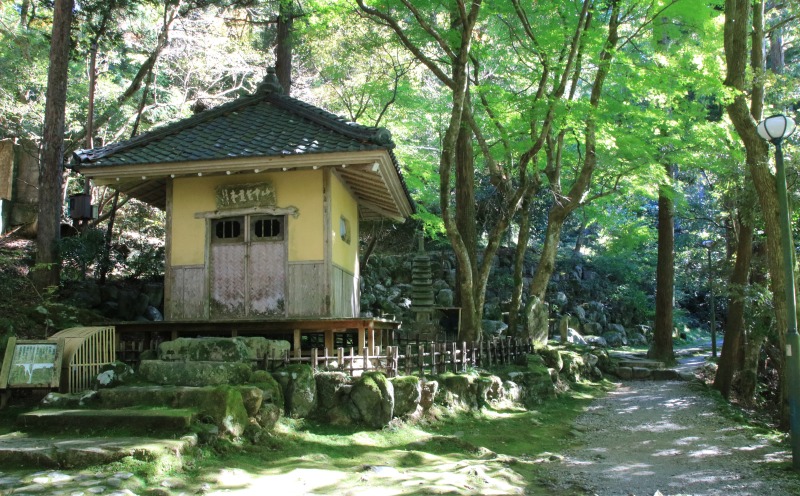
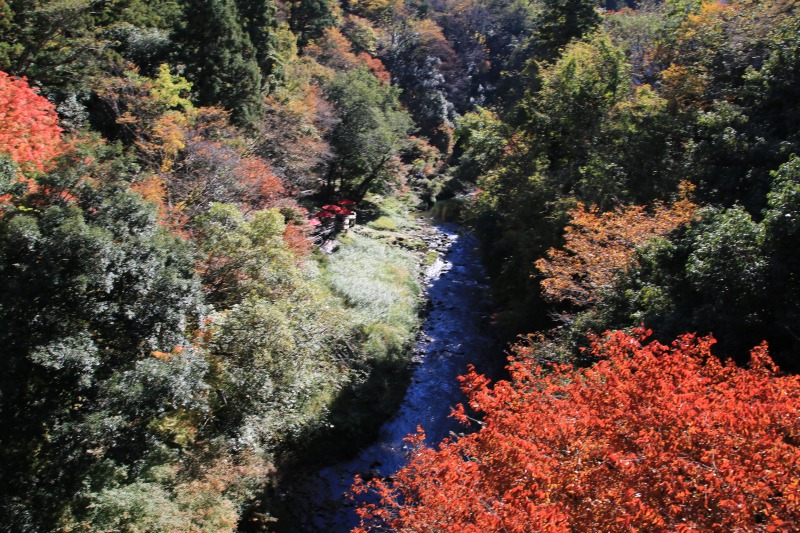
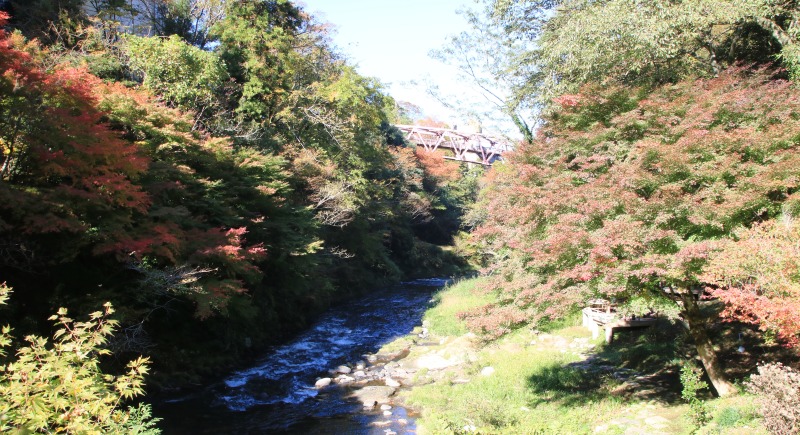
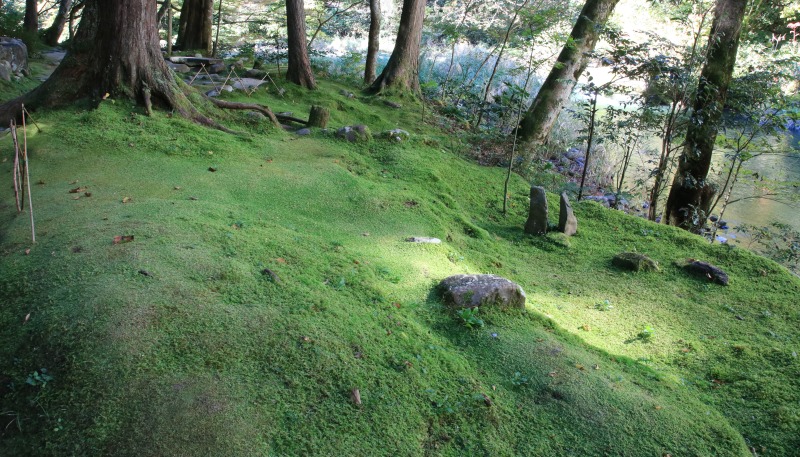
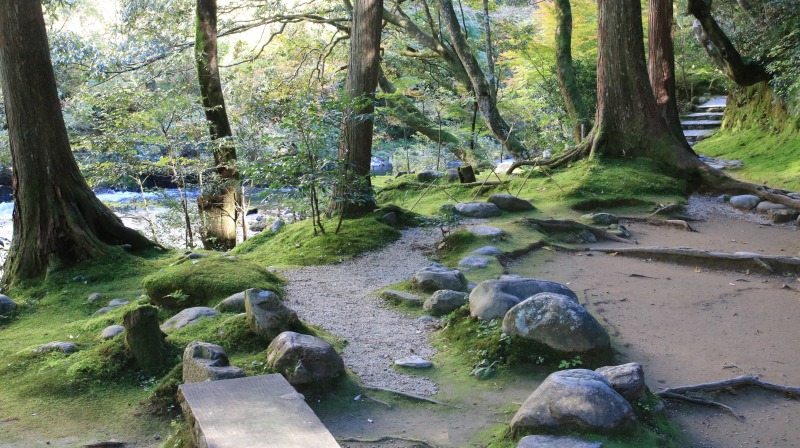
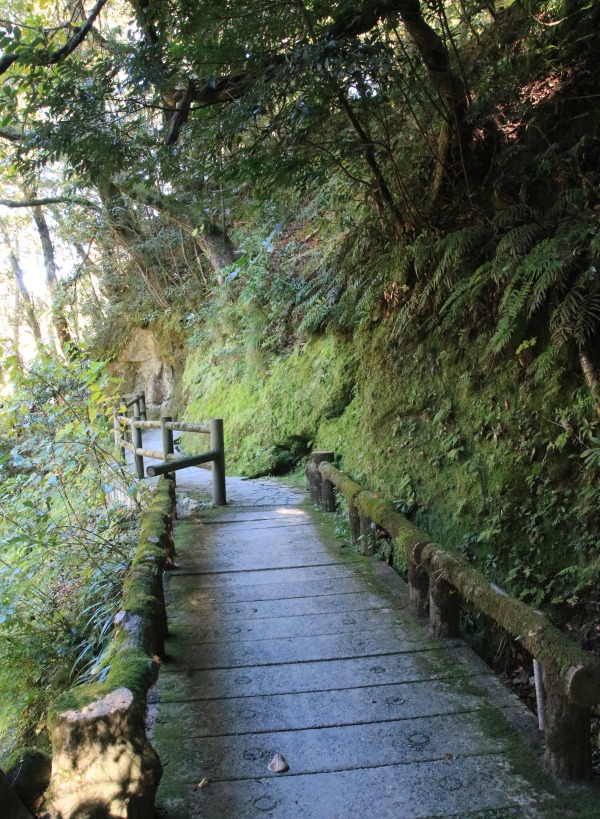
Yamanaka Onsen is located in the beautiful Kakusen-kyo valley. Basho Matsuo, Japan’s most famous haiku poet from the Edo period, loved it here. There is a well-maintained path running through the valley.
Getting to Fukui
From Tokyo
The easiest way to travel to Fukui from Tokyo is by the JR Hokuriku Shinkansen. The journey takes less than three hours. Alternatively, there are night buses if you don’t mind travelling for over ten hours.
From Osaka/Kyoto
Unfortunately, there is no direct train to Fukui, but the JR railway is the fastest option. From Osaka or Kyoto stations, take the Thunderbird bound for Tsuruga. Change there. The Hokuriku Shinkansen is a faster, albeit more expensive, way to travel to Fukui. Alternatively, you can take the Hapi-Line Fukui train to Fukui Station.