Travel guide to the highlands of Nagano Prefecture
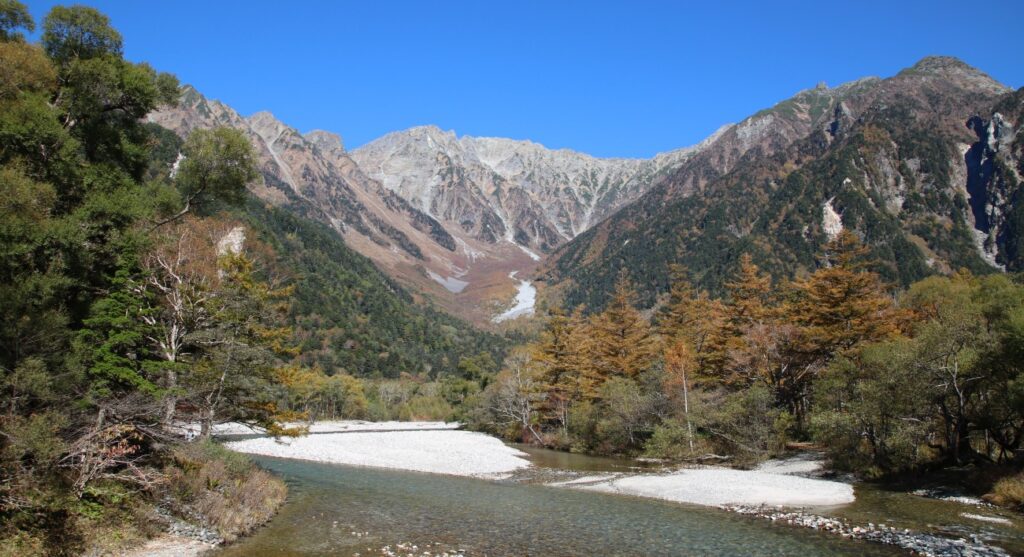
Nagano Prefecture is located in the middle of Honshu, Japan’s central island, and is home to some of the best ski areas in the country. In fact, the 1998 Winter Olympics were held in Nagano. If you enjoy winter sports, you will have a great time there. Nagano is also a good destination all year round because the weather is pleasant and the scenery is beautiful. I visited Nagano in the spring and fall and had a great time. It is also easy to get to Nagano from Tokyo; it only takes about an hour to get from Tokyo Station to Karuizawa, a popular destination in Nagano, by Shinkansen.
Karuizawa
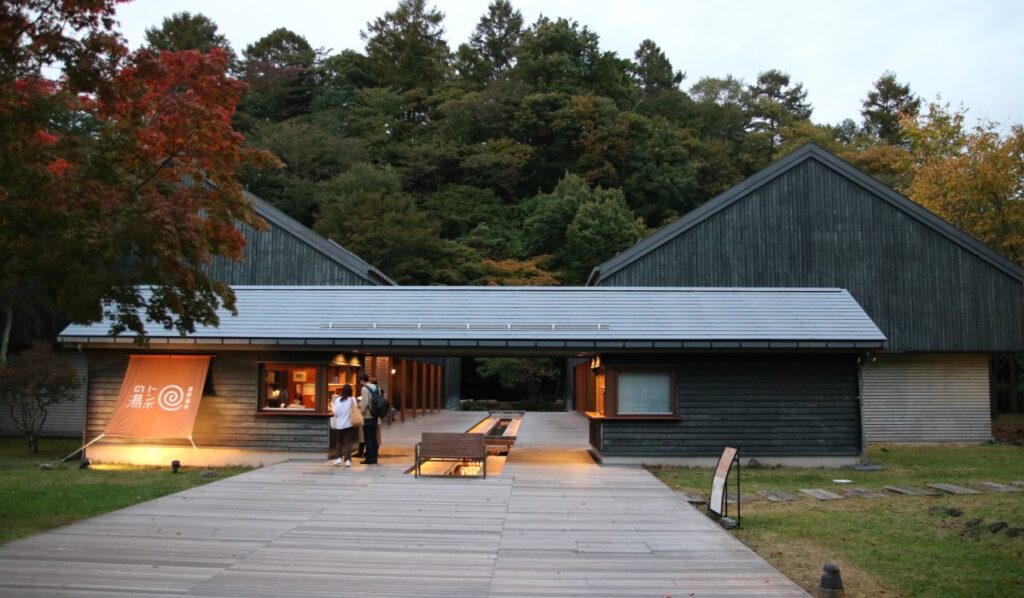
Karuizawa is a famous summer resort town. It is about an hour away from Tokyo Station by bullet train. Many people visit Karuizawa, where there are shopping malls, a wide variety of restaurants, and hotels. When I went to Karuizawa in the fall, there were still many tourists there. If you like comfortable, convenient mountain resorts, Karuizawa is the place for you. However, I found the town too busy, so I stayed for a few days and moved to another place in Nagano. I visited a few places in Karuizawa. I liked Harunire Terrace by Hoshino Resort. It is located in a quiet wooded area alongside a stream. There are 16 shops, including cafés, restaurants, a bakery, a grocery store, and specialty shops, etc.
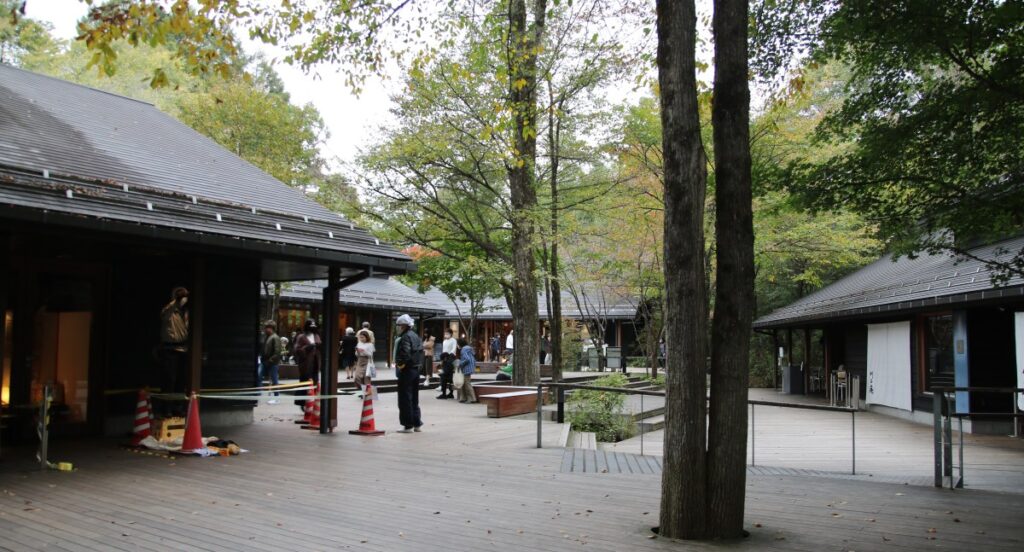
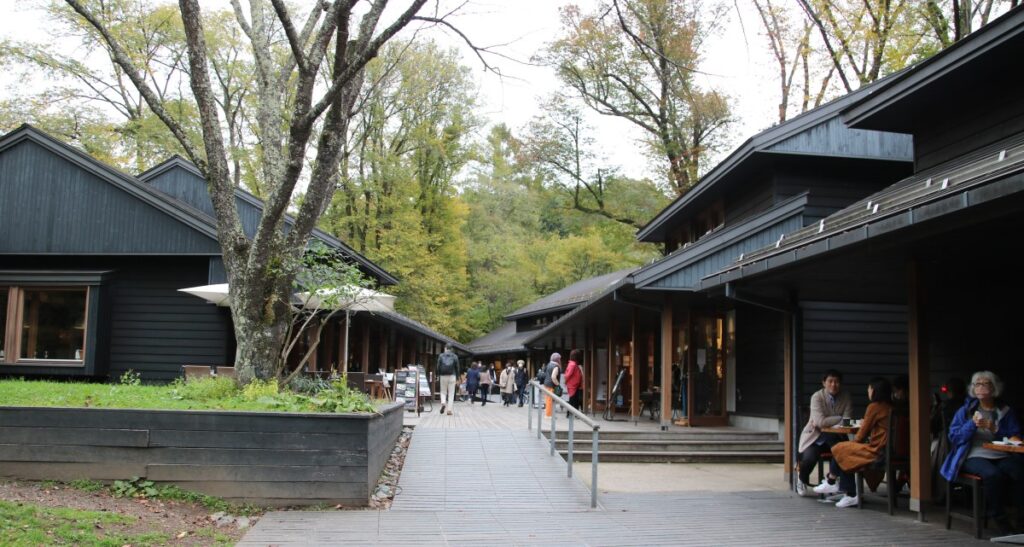
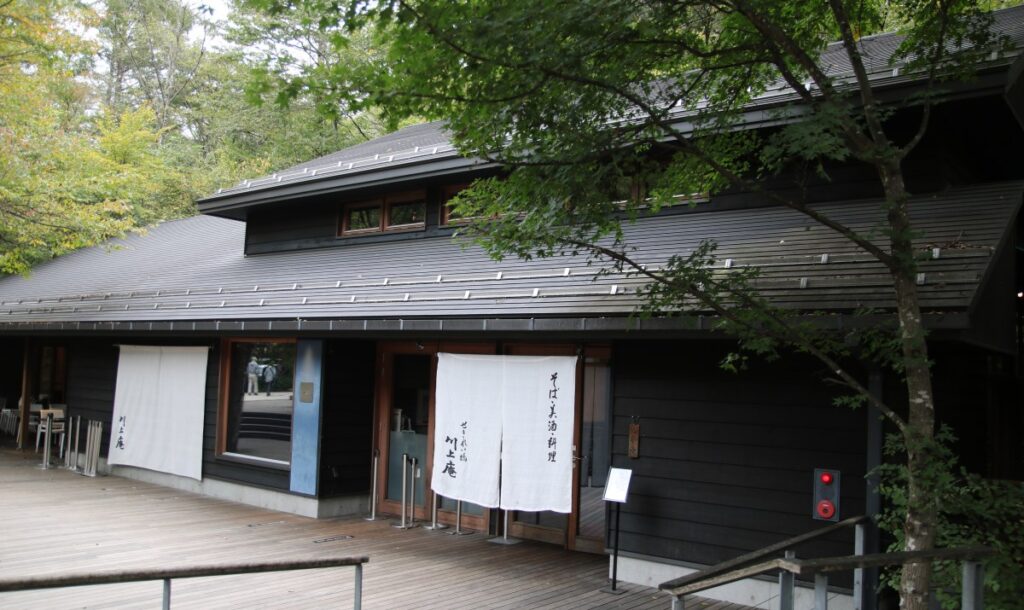
Harunire Terrace and surrounding area are operated by Hoshino Resort, which is one of the most famous and luxurious resort service in Japan. Hoshinoya Karuizawa is one of several Hoshino Resort hotels in Karuizawa. I did not stay there, but it looked very nice. Hoshino Onsen Tombo-no-yu is a drop-in hot spring within walking distance of Harunire Terrace.

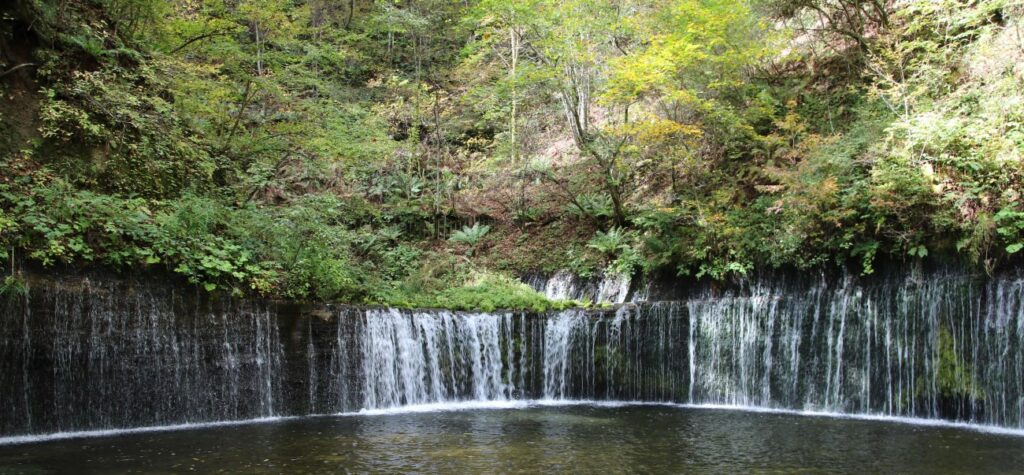
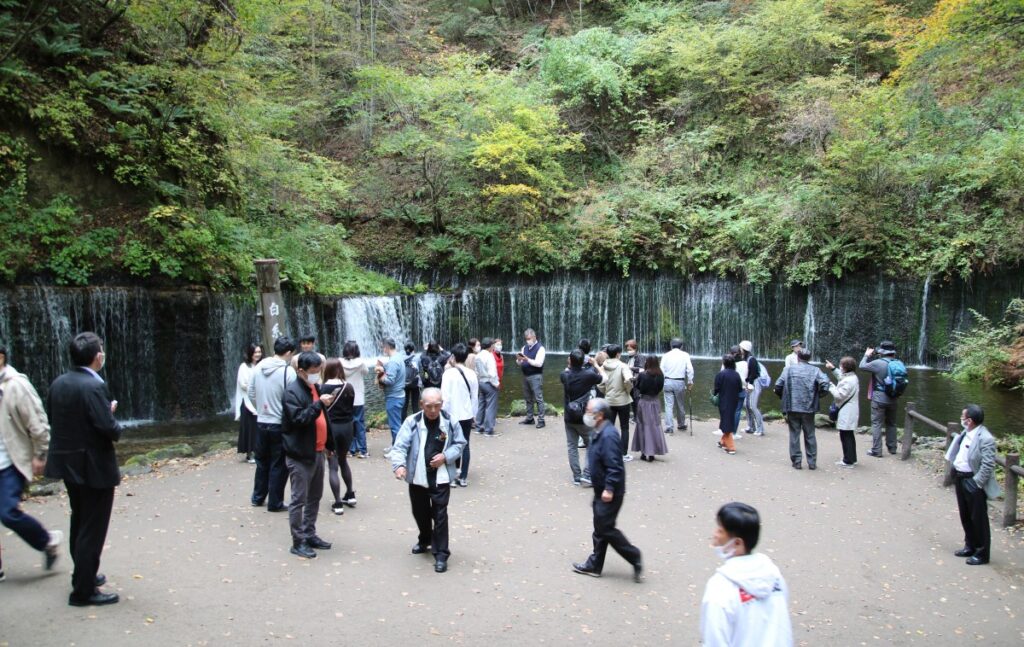
Shiraito Falls is a great place to enjoy the beauty of nature. “Shiraito” means “white threads” in Japanese. Underground water flows out from the solid rock layer. The waterfall resembles numerous white threads. As the photo shows, Shiraito Falls is a popular destination in Karuizawa. Public buses depart from Karuizawa Station for Shiraito Falls. The one-way trip takes about 25 minutes, plus a five-minute walk.
Getting to Karuizawa from Tokyo
The fastest way to travel from Tokyo to Karuizawa is via the Hokuriku Shinkansen, with the journey taking approximately 1 hour to 1 hour and 20 minutes from Tokyo Station to Karuizawa Station. Ticket prices for a one-way trip start from around 5,500 Yen (38 USD) for non-reserved economy class seats and is fully covered by the Japan Rail Pass and several JR East Passes. Highway buses depart from Busta Shinjyuku, Ikebukuro Station and few other locations in Tokyo. The buses may stop at several locations in Karuizawa (e.g. Karuizawa Prince Hotel and Hoshino Onsen). The one-way trip takes about three hours and costs 2300-2900 yen depending on the day of travel. Online reservations can be made through Japan Bus Online or Willer-Travel.
Onioshidashi Park (devil’s Push Park) in Gunma Prefecture
This park is located in Gunma Prefecture, not Nagano Prefecture. However, since it is only about 8 kilometers (5 miles) away from Shiraito Falls, I included it in the Nagano section.
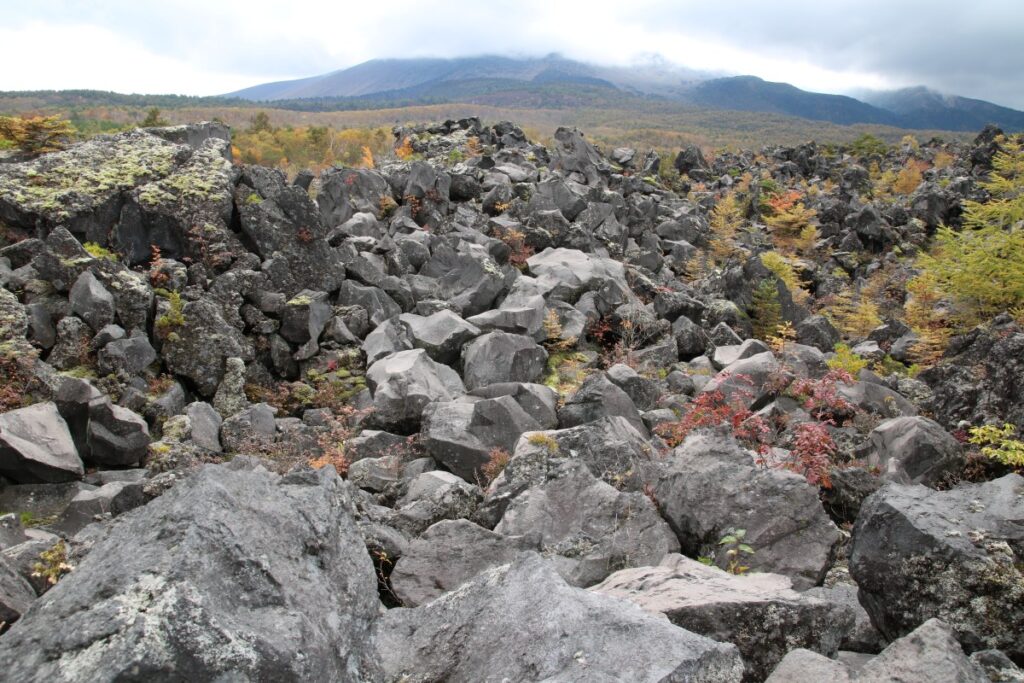
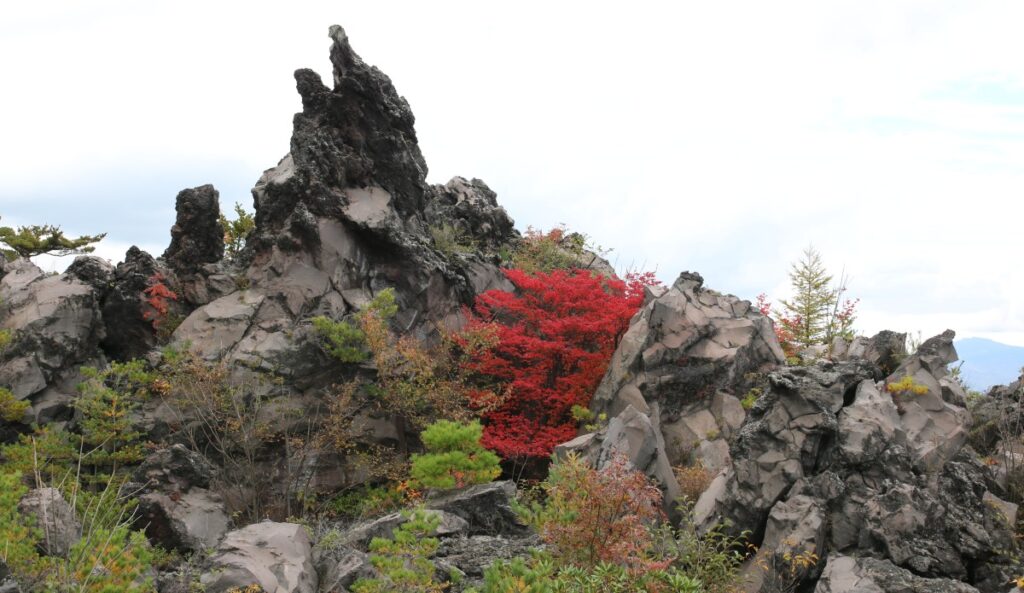
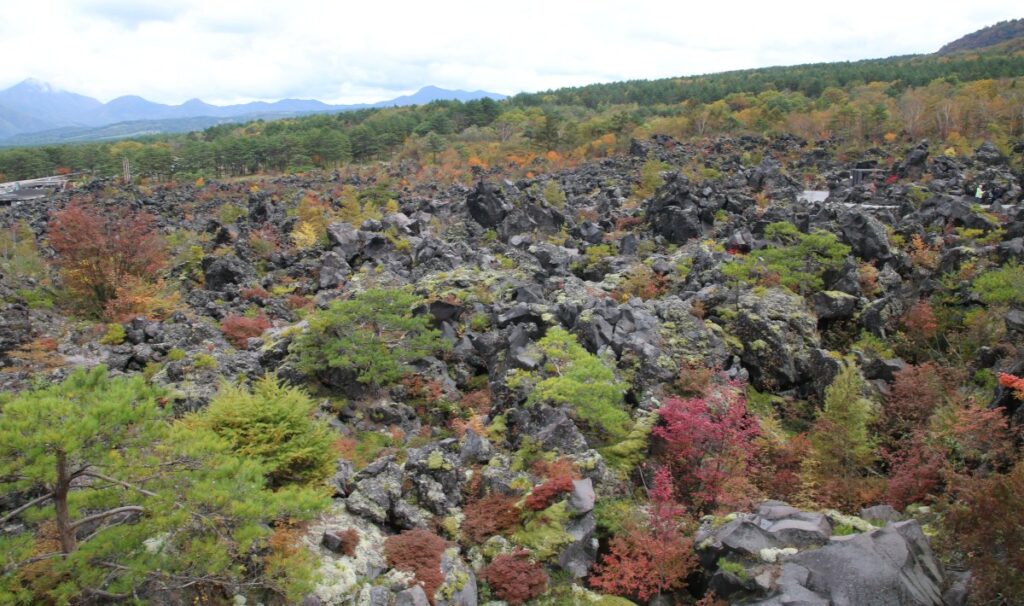
This rocky area was formed by volcanic activity from Mount Asama in 1783. A large amount of lava cooled and solidified to create this natural wonder. The local people believed that devils lived in Mt. Asama and caused the volcanic eruption that pushed out these rocks. Buses to Onioshidashi Park depart from Karuizawa Station and Naka-Karuizawa Station. The ride takes about 30 and 25 minutes, respectively.
Matsumoto Castle
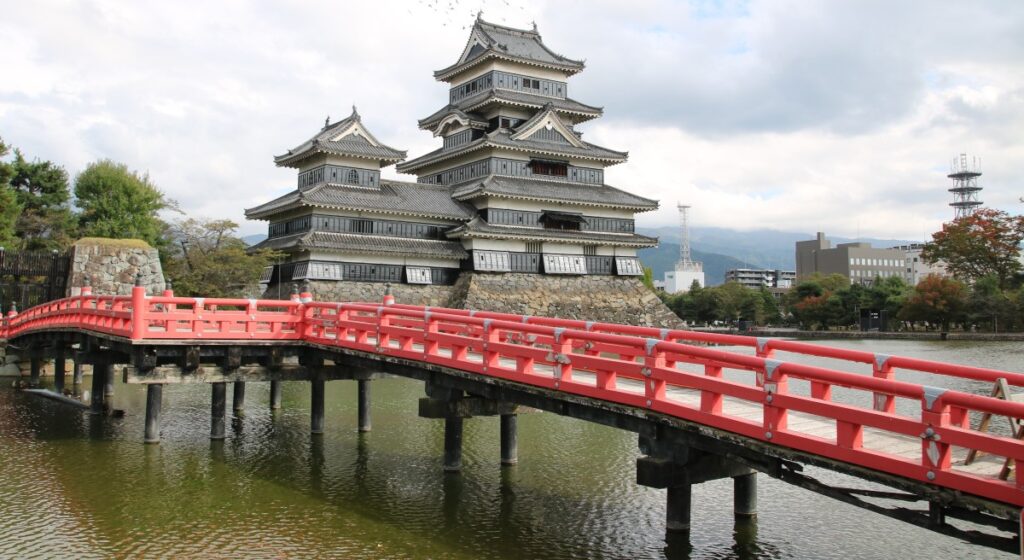
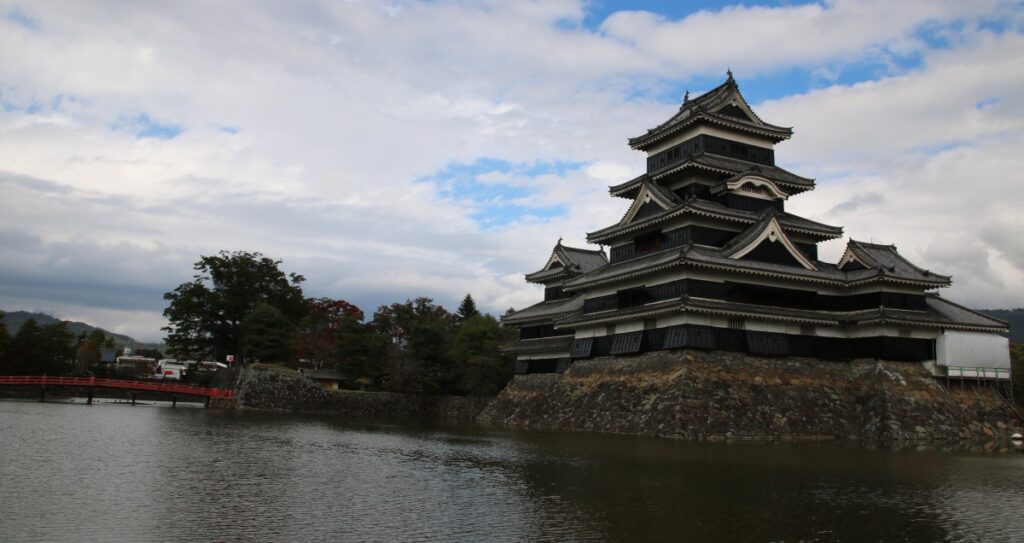
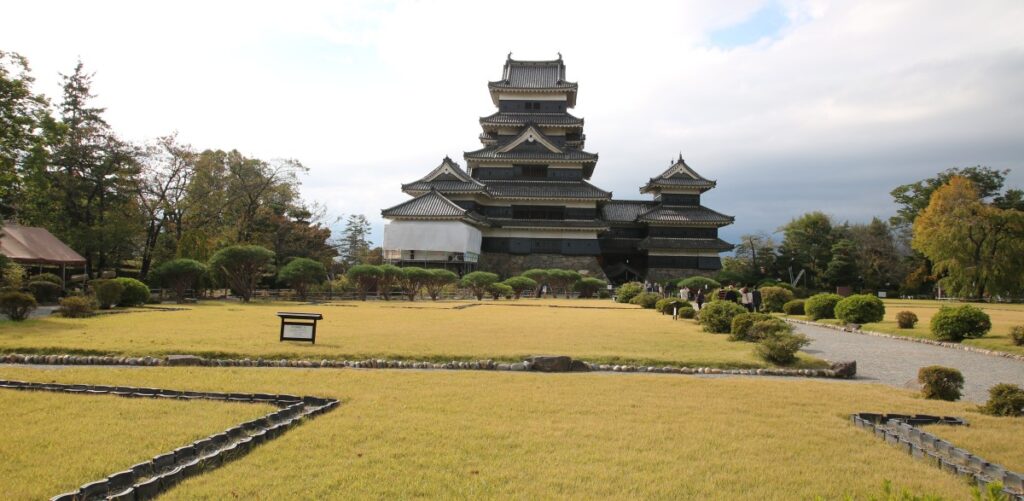
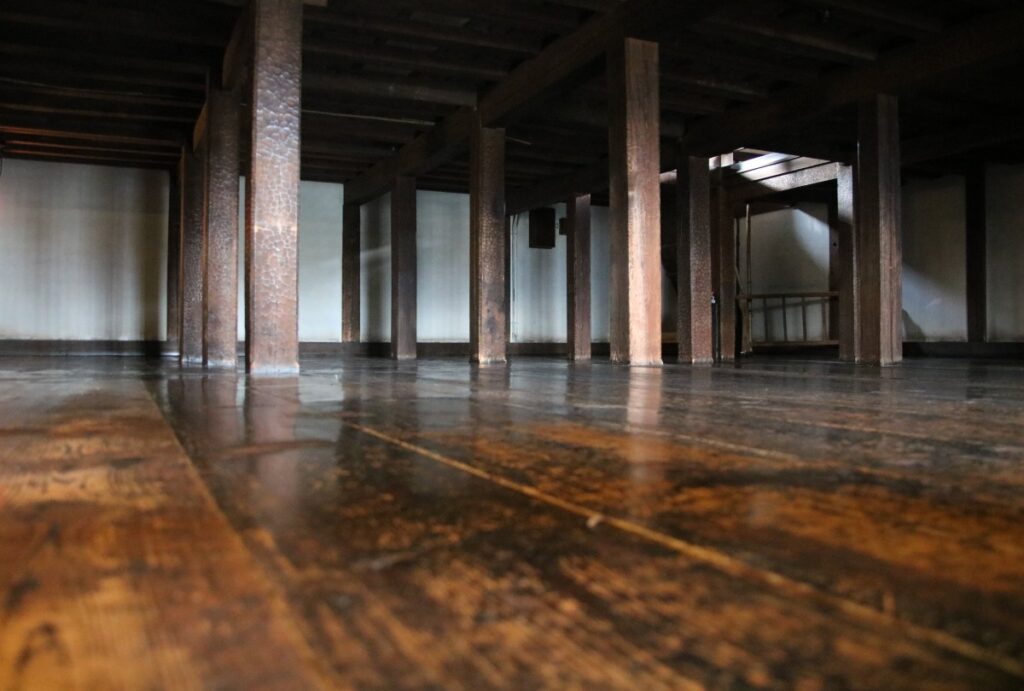
Matsumoto Castle, one of the oldest castles, is a national treasure. Built in 1594 during the Warring States period, the castle is one of only 12 castles with castle towers and one of only two with five-story towers. Of the 12 castles with castle towers, only Matsumoto Castle and Himeji Castle have five-story towers. The castle is well-maintained and clean. Because it was built during a period of war, the castle tower has a very functional design. It was interesting to climb the very steep stairs and discover traps for attacking enemies. Other structures were added during peacetime and were built without battle-ready features.
Nagano is famous for its soba noodles and there are many soba noodle restaurants near Matsumoto Castle. I went to Yamatou. Soba was good.

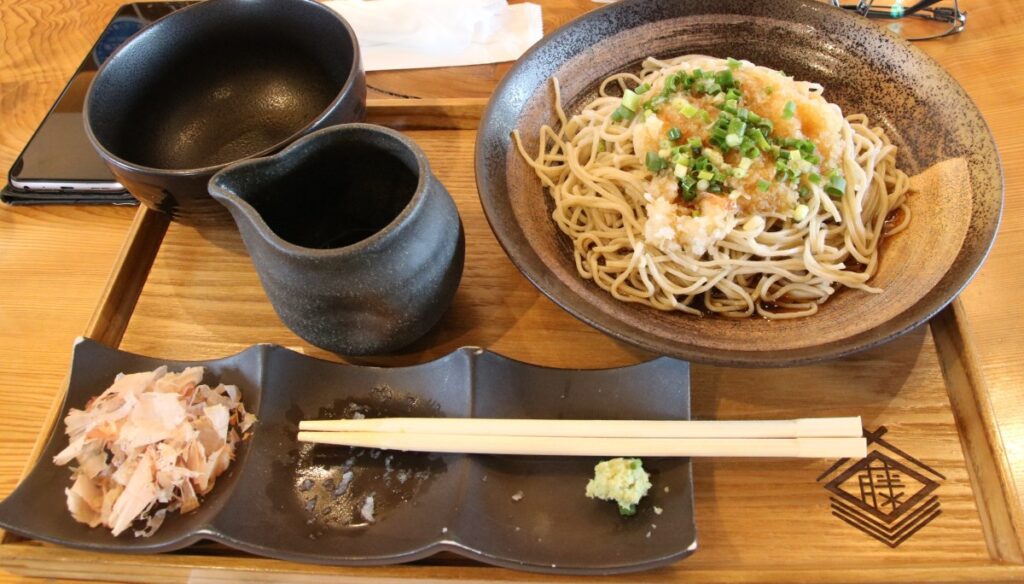
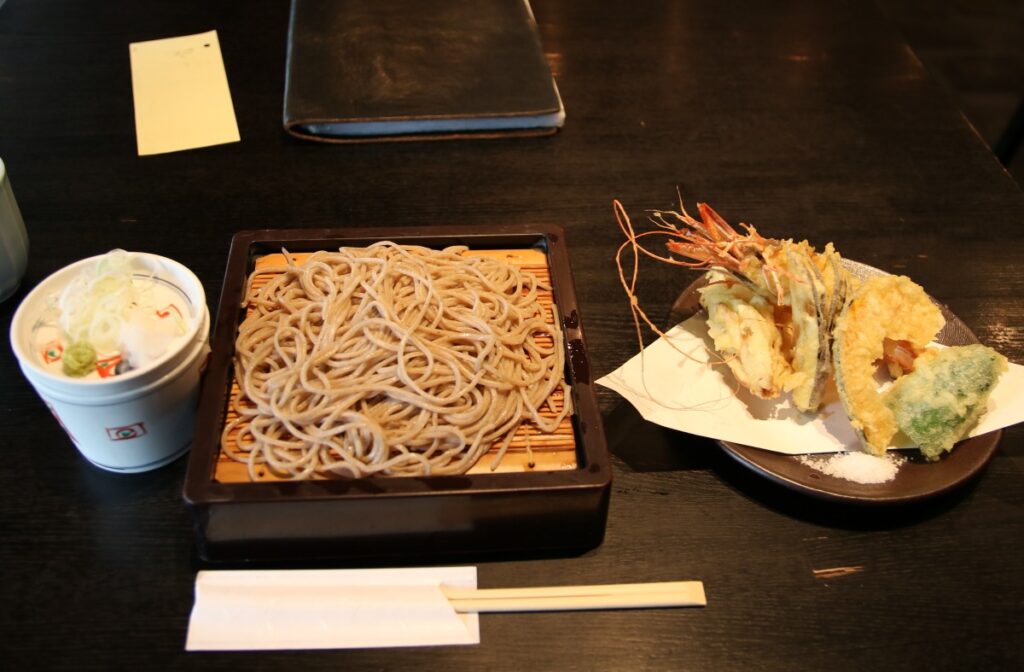
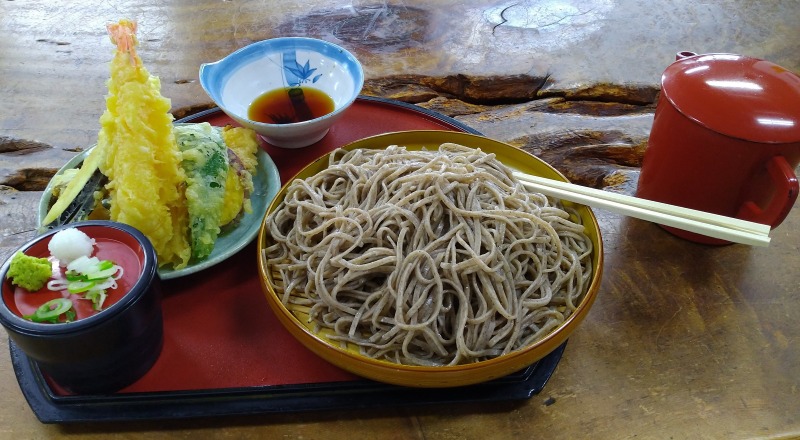
Sobadoko Hakusan (そば処 白山) is a renowned soba noodle restaurant in Matsumoto City. You can order soba noodles by weight and add side dishes. I had 100% soba noodles (jyuwari: 十割) with tempura. It was delicious! The easiest way to get to Hakusan is by car. Alternatively, you can take a bus from Matsumoto Station. Take the Kotobukidai or Matsubara Line bus to Shirakawa. It’s about a three-minute walk from the bus stop to Hakusan.
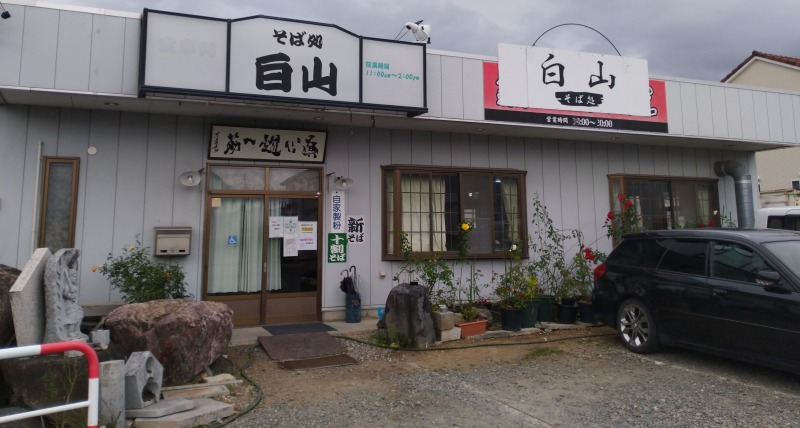
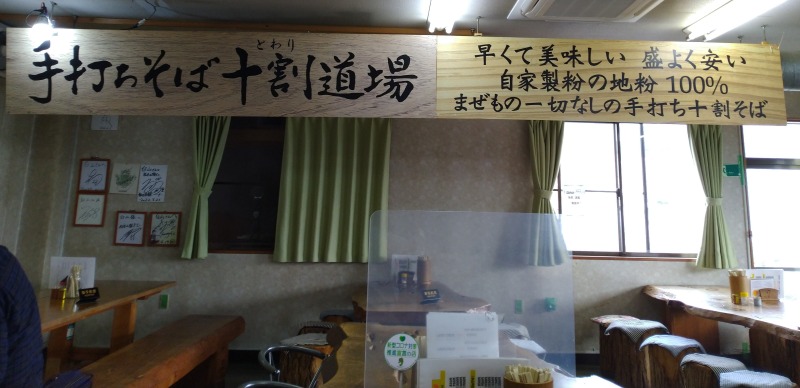
The sign says:
100% hand made buckwheat noodle training hall.
Fast, Delicious, Large volume, Cheap
Homemade flour 100%
Nothing is added, handmade 100% soba noodles.
Hakusan address: 532 Kotobukitoyooka, Matsumoto, Nagano 399-0021
Getting to Matsumoto
From Karuizawa Station
The fastest way to travel from Karuizawa Station to Matumoto Station is via the Hokuriku Shinkansen. Get off at Nagano Station and switch to the Shinetsu/Shinonoi Line heading south or to Nagoya to get to Matsumoto Station. The trip takes about one hour and 40 minutes. You can also take the Shinano Railway. From Karuizawa Station, go to Shinonoi Station. From there, take the JR Shinonoi Line southbound or to Nagoya to Matsumoto Station. Matsumoto Castle is about a 15-minute walk from the station.
From Tokyo by train
JR “Azusa” limited express directly takes you from Tokyo’s Shinjuku Station to Matsumoto Station. The trains take about 2 hours and 40 minutes for the journey. The one-way trip costs more than six thousand yen and is covered by the Japan Rail Pass and several JR East Passes. There are one or two trains per hour.
From Tokyo Station: Take the Hokuriku Shinkansen to Nagano Station. From there, take the JR Shinetsu/Shinonoi Line southbound or to Nagoya to Matsumoto Station. If connections are good, the trip takes about two hours and 20 minutes, costs more than ten thousand yen, and is covered by the Japan Rail Pass and several JR East Passes.
From Tokyo by bus
Highway buses depart from the Shinjuku Bus Terminal bound for Matsumoto. The trip takes about 3 to 4 hours and costs between 2,500 and 4,500 yen. You can make online reservations through Willer and Highway-buses.jp.
Kamikochi
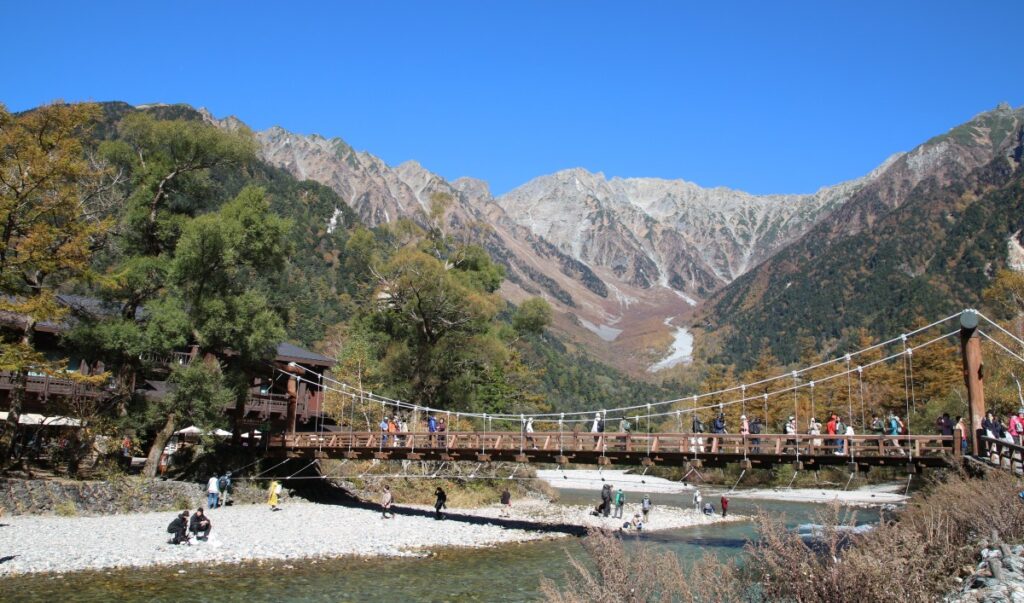
Kamikochi is a scenic highland located in Matsumoto City in the Nagano Prefecture. It is easily accessible from central Matsumoto City. It is part of the Hida Mountains in Nagano’s western region. The surrounding mountains reach 3,190 meters, and Kamikochi is located within Chubu Sangaku National Park.
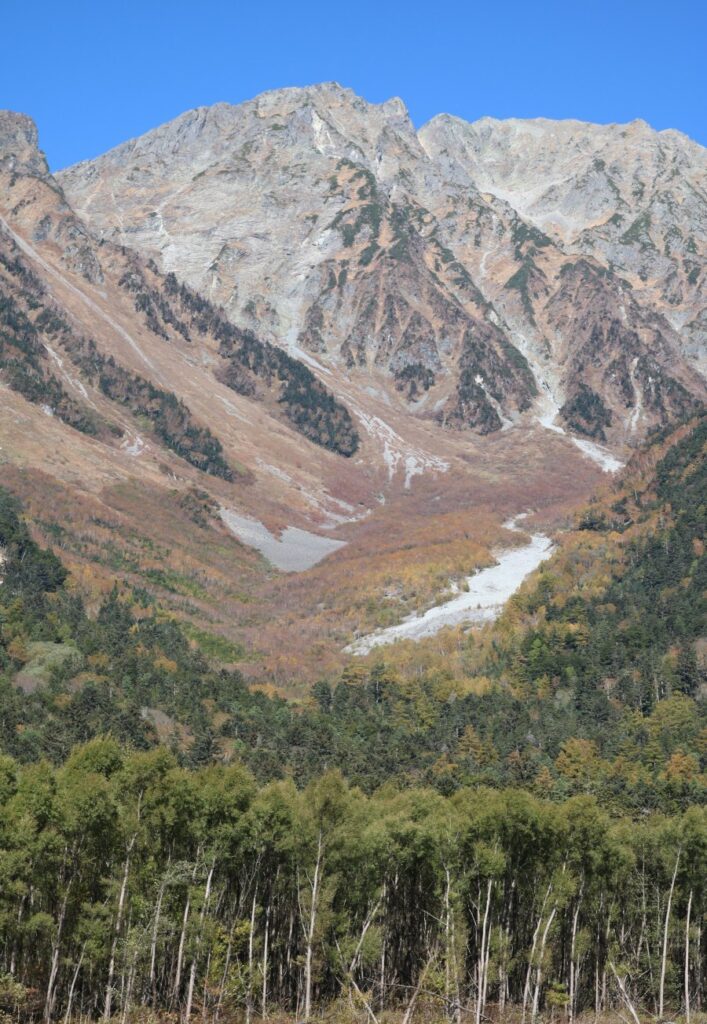
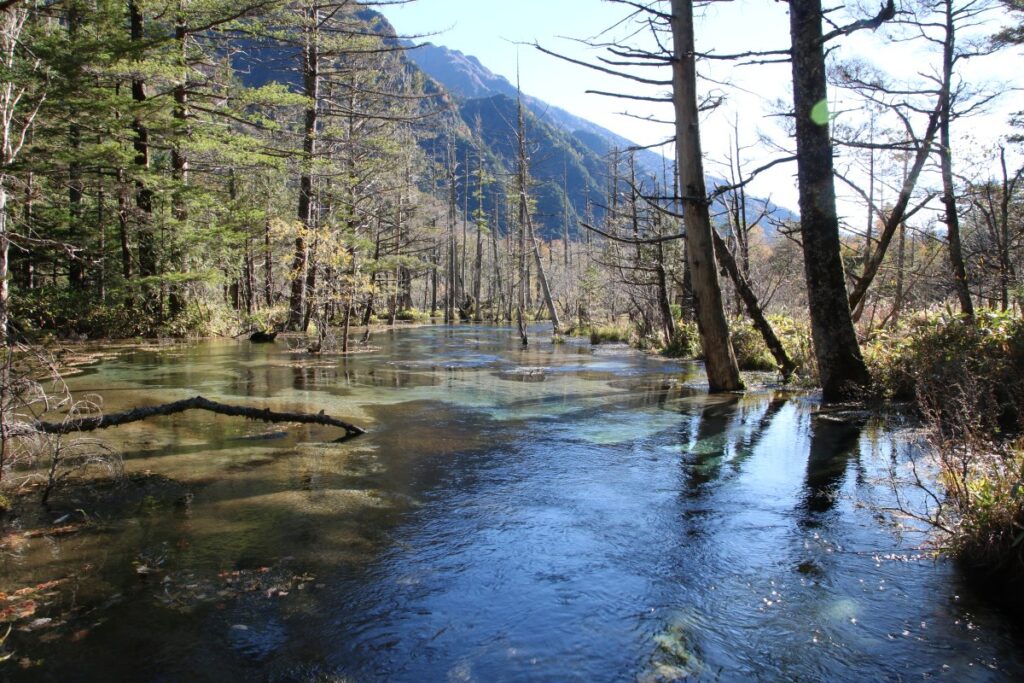
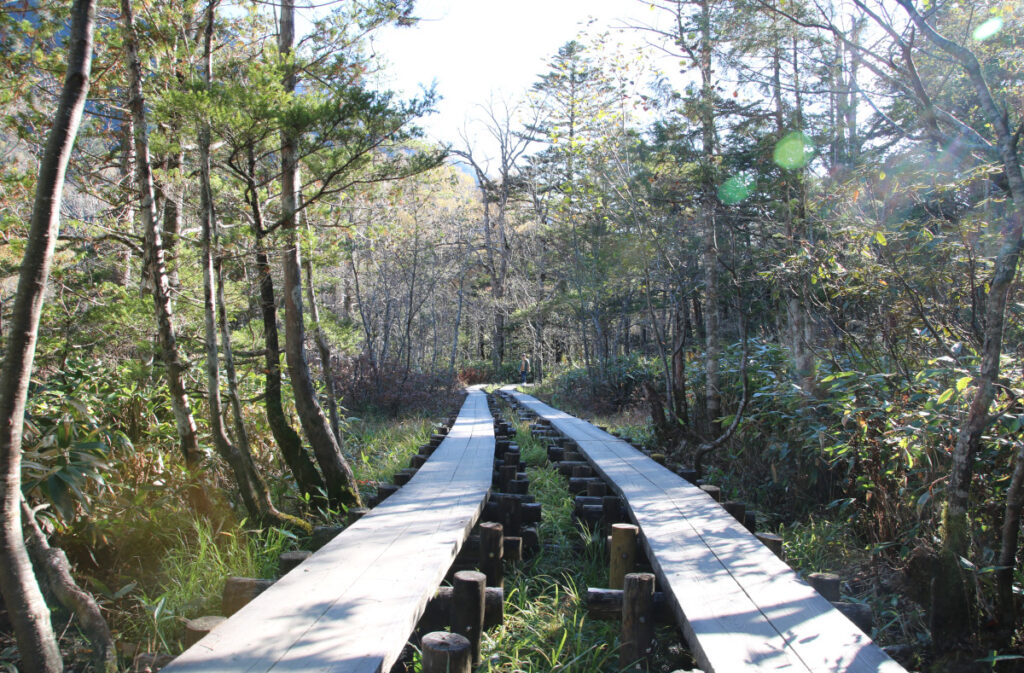
Kamikochi is a popular summer retreat and hiking destination. Many mountain climbers also come to Kamikochi to climb the Hotaka Mountains and other high peaks. I took a day trip there, but there are many hotels, mountain cabins, and campsites in and around Kamikochi. For more information, please visit the official Kamikochi website.
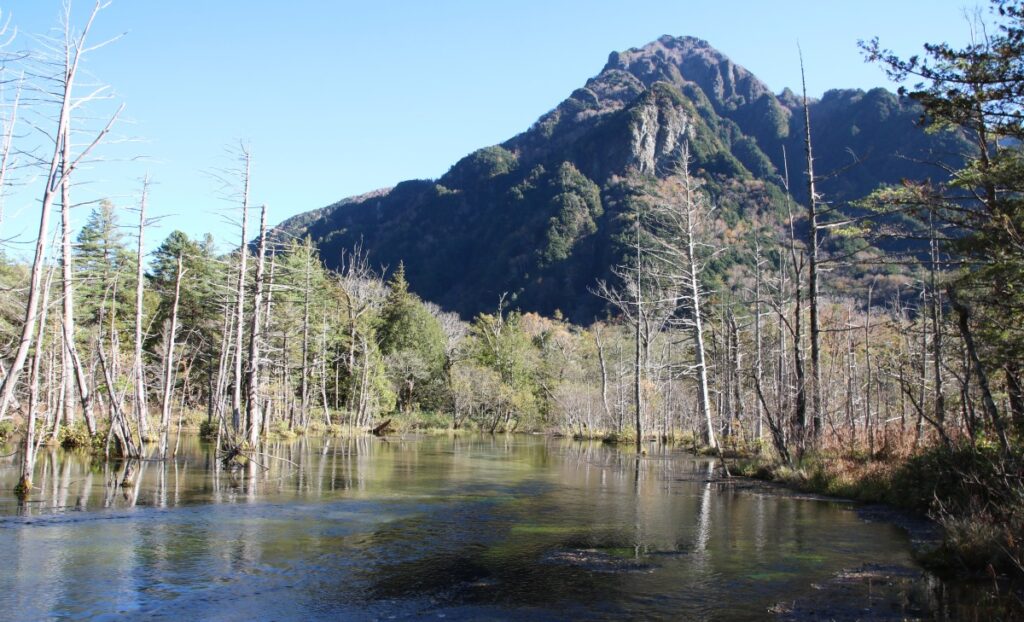
Access to Kamikochi
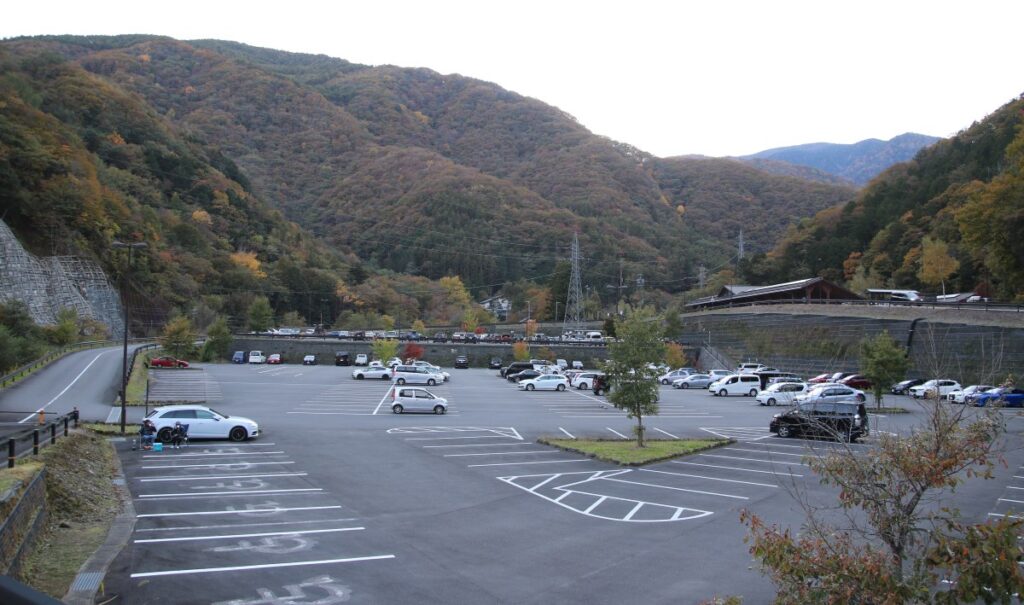
Kamikochi is open every year from mid-April to mid-November. To protect the natural environment of Kamikochi and the surrounding area, private cars are prohibited from entering. Public buses and taxis are available from various places to go to Kamikochi. If you choose to drive from the Nagano side, it is best to go to the Sawando Bus Terminal and take a bus or taxi from there. You can find more information about accessing Kamikochi on the official Kamikochi website. Bus routes and timetables are provided on Alpico Group website. If you are directly going to Kamikochi from Nagoya, Meitetu Bus departs at night and arrives Kamikochi early in the morning.
Shirahone Onsen
If you have some extra time, visit Shirahone Onsen in Matsumoto City. Shirahone Onsen means “White Bone Hot Spring.” It has slightly acidic, milky-white hot springs. The hot spring water is gentle on your skin. You don’t need to worry about losing your skin and flesh and being left with white bones. It is only fourteen minutes bus ride from Sawando Bus Terminal, but the bus only runs four times a day.
Hakuba

Nestled in the heart of Nagano, Hakuba is a popular destination for ski enthusiasts and nature lovers. Renowned for its picturesque ski slopes and abundant powder snow in the winter, this charming mountain village becomes an outdoor paradise in the spring, summer, and fall.
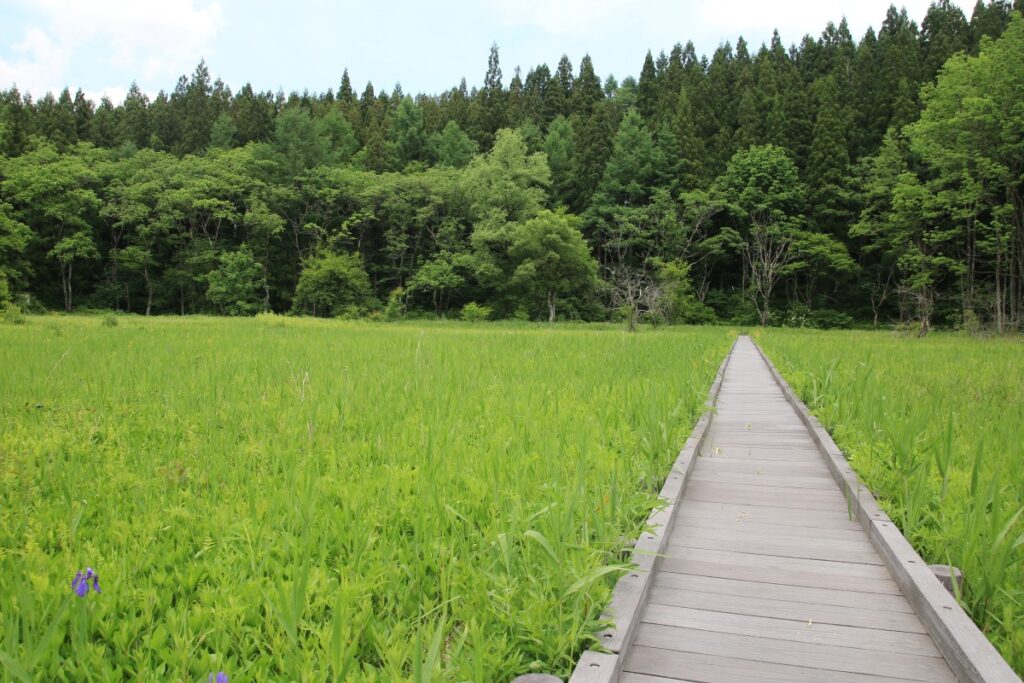
During my visit, I made my way to the stunning Himekawa Source Nature Park, which hugs the banks of the Himekawa River. This serene location is the perfect place to escape the hustle and bustle and explore its beautiful trails.
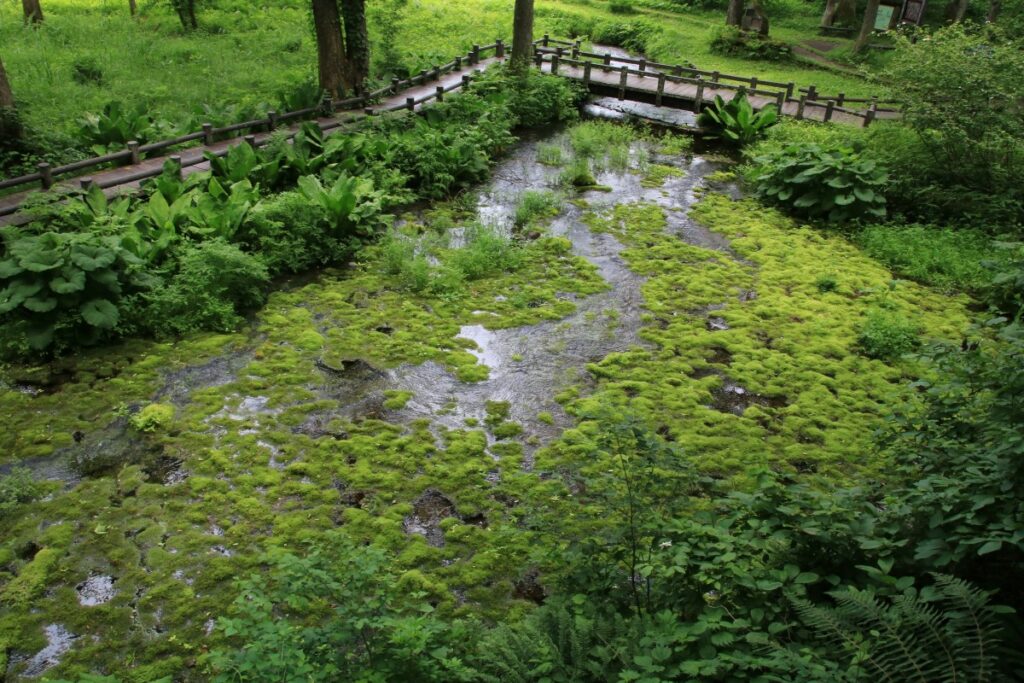
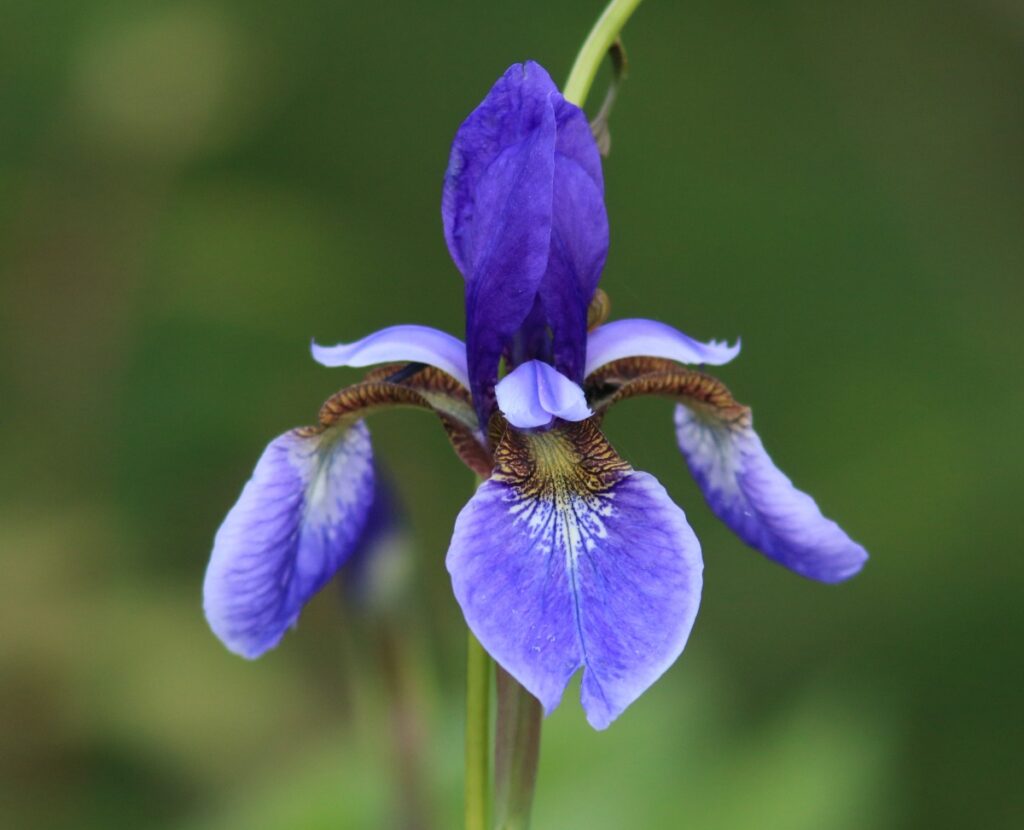
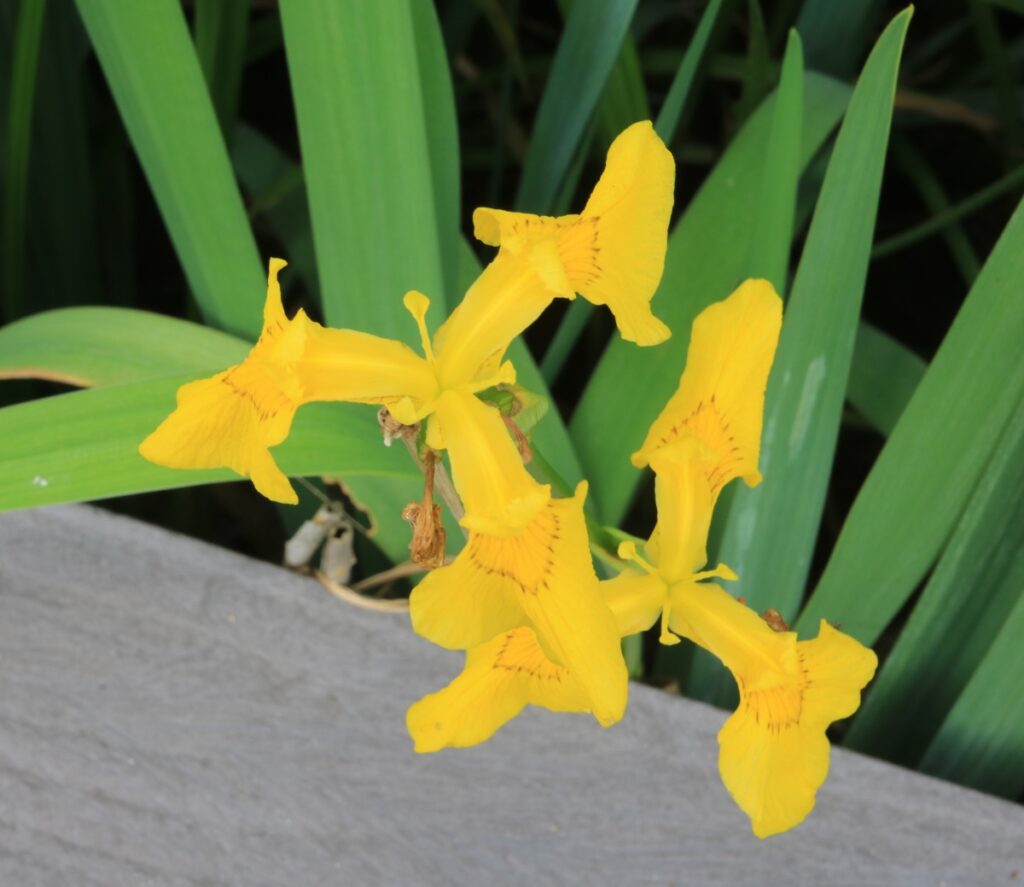
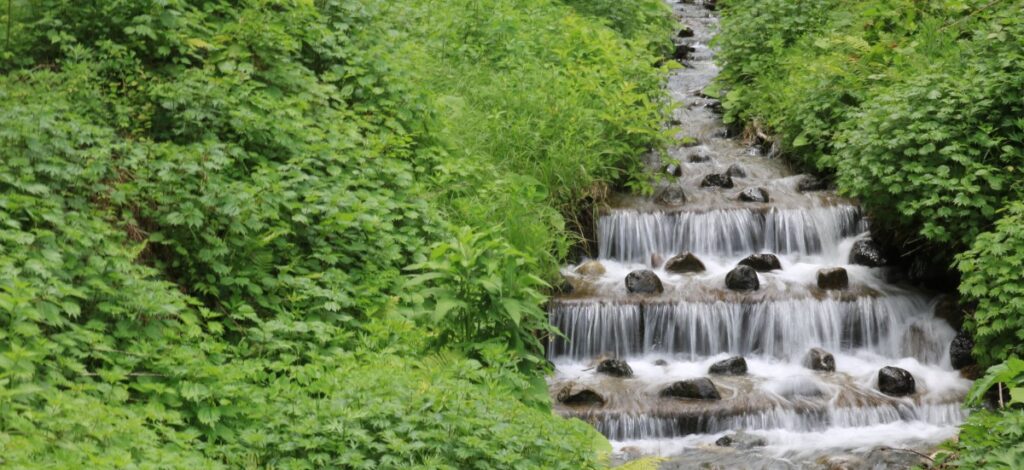
If you’re looking to escape the summer heat or immerse yourself in breathtaking landscapes, Hakuba is the place for you.
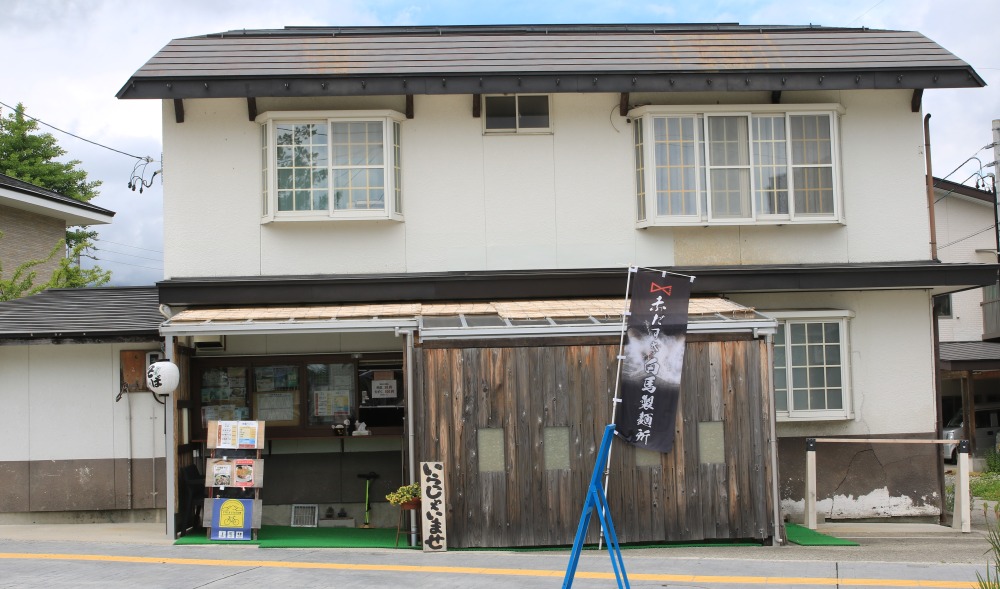
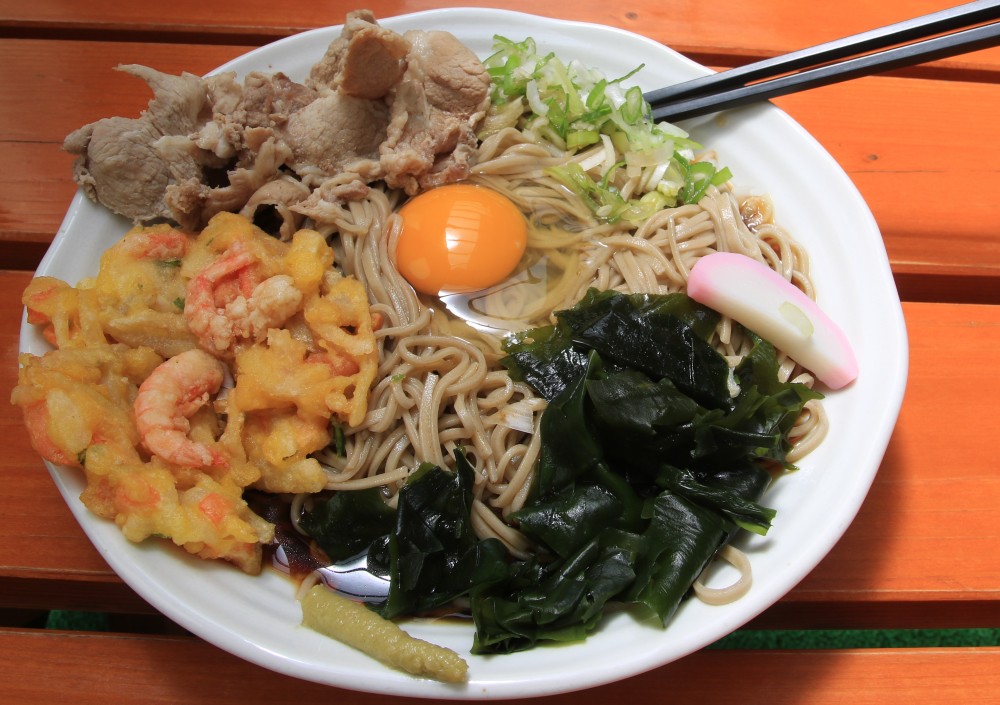
I stopped for lunch at a charming spot called Akadasuki Hakuba Seimenjyo (赤だすき白馬製麺所), which translates to “Red Sash Hakuba Noodle Manufacturer.” I indulged in their “All on” Soba, and let me tell you, it was absolutely delightful! As a huge fan of soba noodles, I was thrilled to be in Nagano, a region renowned for its exceptional soba.
I also went to Omachi to take the Tateyama Kurobe Alpine Route. If you are a nature lover but do not want to hike all day (like me), I highly recommend this route. It starts from Ogisawa Station in Omachi, Nagano Prefecture and ends at Tateyama Station in Tateyama Cho. Toyama Prefecture. The total distance of this route is 37.5 km and the highest altitude is 2450 m. You can take buses, funiculars and a ropeway to complete the route, or you can stop anywhere and go back to your departing location.
Other places of interest in Nagano
Daio Wasabi Farm in Adono City
The Daio Wasabi Farm is one of the largest wasabi farms in Japan. The farm offers restaurants, a food court, a café, and a souvenir shop for tourists. The farm is about an hour away from Matsumoto Station. It takes about 30 minutes to ride from Matsumoto Station to Hodaka Station on the JR Oito Line, and then it’s a 30-minute walk (or a 10-minute taxi ride) to the farm. Admission is free.
Zenkoji Temple in Nagano City
Zenkoji is a very famous temple in Japan. About six million people visit the temple each year. It takes about one hour from Matsumoto Station to Nagano Station via the JR Shinonoi Line. Nagano City is the capital of Nagano Prefecture, and there are many ways to go to Nagano City from Tokyo. The fastest way is via the Hokuriku Shinkansen, and the cheapest way is by highway buses. You can use the JAPAN RAIL PASS or the JR EAST PASS (Nagano, Niigata area).
Jigokudani Yaen Koen (Wild Snow Monkey Park)
You must have seen images of wild monkeys bathing in hot spring. This is the place. It takes about 70 to 80 minutes from Nagano City to the monkey park. From Nagano Station, take Express Bus to Shiga Kogen and get off at Snow Monkey Park. You need to walk about 35 minutes to the park.
Comments
One response to “Nagano”
[…] If you are departing from Tokyo, it is easier to go through Nagano than through Toyama. And if you are going to Nagano, I recommend visiting interesting places, such as Karuizawa, Matsumoto and Kamikochi, before going to the Tateyama Kurobe Alpine Route. I have some suggestions for places to visit in Nagano. […]